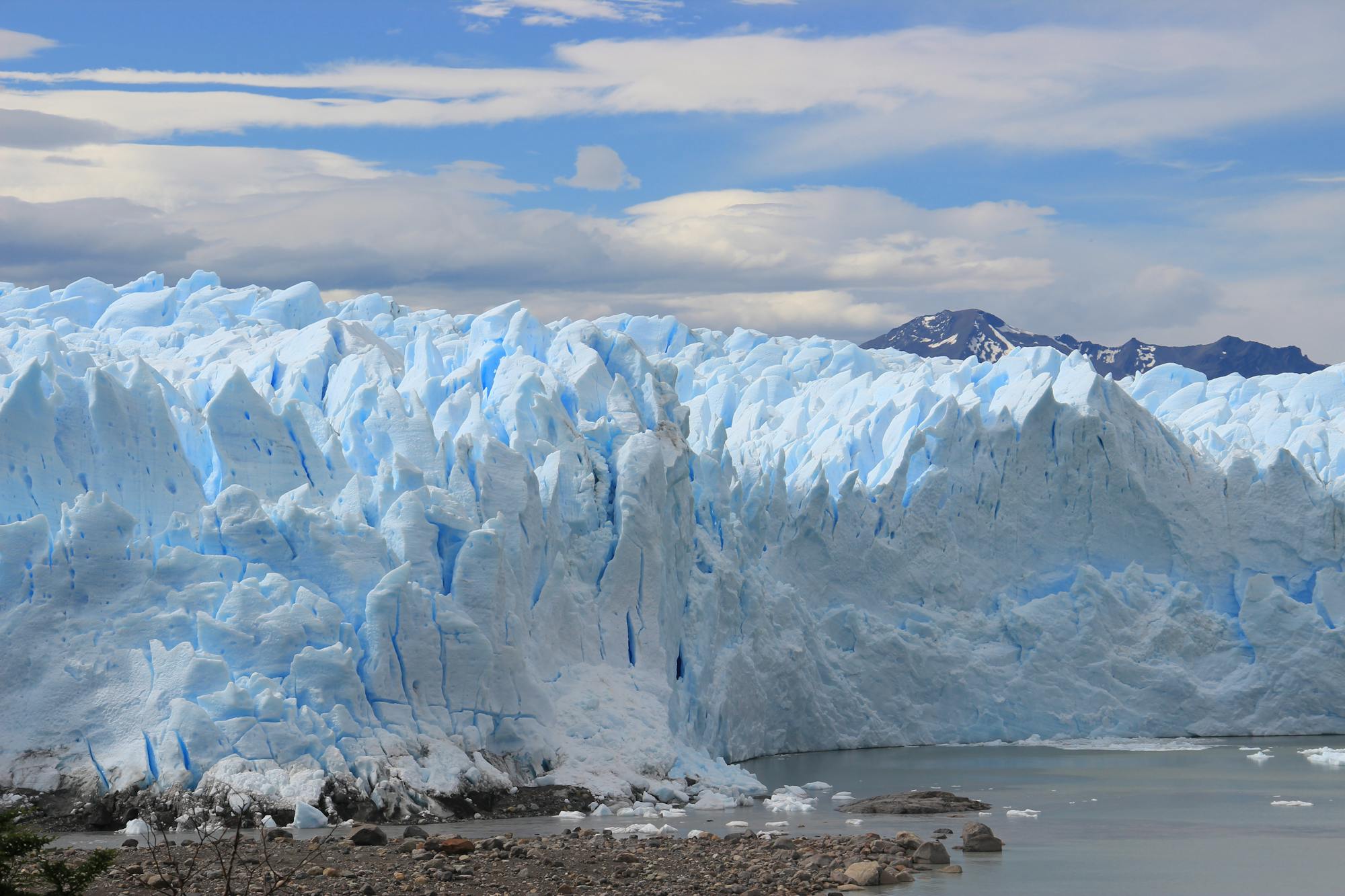
Patagonia's climate is famously unpredictable — it is said that you can experience all four seasons in a single day.
- Best time to visit: November to March, the southern summer
Best Time to Visit Patagonia: Seasons, Weather & Planning
Patagonia's climate is famously unpredictable — it is said that you can experience all four seasons in a single day, and weather conditions often shape which activities are possible and when to go. Strong winds are the defining constant, capable of reaching 120 km/h even in summer. Despite this, Patagonia is a vast region, and seasonal conditions can vary widely between southern and northern areas as well as along the Atlantic coast, affecting both trail access and accommodation prices. For most visitors seeking to trek, see the glaciers, and experience the region at its most accessible, the southern summer (November to March) is the best time to visit, though the ideal timing depends on whether you're planning a classic Patagonia adventure or targeting specific seasonal interests.
Peak Season: December to February (Southern Summer)
The Patagonian summer is the region's most popular and accessible period. December through February is Patagonia's high season, with clear skies, long daylight hours, and the most reliable weather windows, while hiking trails across the region are generally fully open and all services and lodges operational. These months usually offer optimal conditions for the major routes. Daytime temperatures in the main valleys reach 15–20°C on calm days, supporting the widest range of outdoor activities, though the wind chill can make it feel much colder. Glaciers calve most actively in summer, making Perito Moreno particularly dramatic.
January is the mid-summer peak — El Chaltén fills with hikers from around the world, Torres del Paine's campsite network operates at maximum capacity, and the condors, guanacos, and flamingos are most active. The tradeoff: this is the busiest time of year, bringing crowds at Fitz Roy viewpoints, booked-out accommodation (reserve 3–6 months ahead), and the highest prices.
The Patagonian summer is also wildlife season: the Magellanic penguin colonies at Punta Tombo (October–April) are at maximum population, with chicks visible in summer — especially rewarding for wildlife lovers — while the season for southern right whales at Península Valdés extends through December. Sea lions breed on the beaches of Valdés through January.
Shoulder Season: October–November and March–April
The shoulder seasons on either side of peak summer offer the best value and often the most rewarding experiences. November sees spring arriving in Patagonia — baby animals appearing across the landscape, wildflowers blooming across the steppe, trails freshly cleared of snow, and weather slightly cooler than peak summer yet still ideal for hiking, horseback riding, and other active travel. Many experienced Patagonian trekkers consider November the best month to visit.
March and April bring Patagonia's most spectacular visual display — the lenga trees turn brilliant gold, orange, and crimson as autumn arrives. The colours are extraordinary and contrast dramatically with the blue lakes and grey granite peaks. From early March crowds thin, and later in the season there are fewer people, lower accommodation prices, and often less wind than summer, even if conditions grow increasingly unpredictable. April can be windy and cool, but the better window for active travelers is usually before mid-April.
Both shoulder periods offer hotel rates 20–40% lower than peak season, and Torres del Paine campsites are much more available.
Low Season: May to September (Winter)
Patagonian winter (May–September) brings snow, extremely cold temperatures, and most trekking routes effectively closed by deep snowpack. Many national parks reduce services or close facilities, and many hotels shut for the season. Torres del Paine National Park remains technically open, but most campsites and huts close, and the W Trek is only for very experienced mountaineers with winter gear. Perito Moreno Glacier remains open year-round, with El Calafate serving as the practical base for winter glacier visits, but ice trekking tours are suspended.
However, winter has its own appeal: activity centers on the Andean ski resorts at Bariloche (Cerro Catedral), which operate at full capacity from July to September, offering excellent piste skiing with Andean scenery, along with snowshoeing in suitable areas. Ushuaia also has a small ski resort. For those not trekking, driving the Ruta 40 across the steppe in winter isolation has a raw, elemental beauty that summer crowds cannot provide, while Tierra del Fuego offers another cold-season option even as major trekking routes shut down. Some travelers pivot to the Atacama Desert when Patagonia access is limited.
Importantly, whale watching at Península Valdés peaks in September–October, and orca "beach attacks" on sea lion pups occur in March–April — specific wildlife reasons to visit outside peak trekking season.
Some travelers also pair Patagonia with Buenos Aires in winter, when days are slightly milder but cold nights are still common.
Weather Overview and Daytime Temperatures
December–February (Summer): Average temperatures of 10–20°C. Long days, open trails, and the highest prices of the year. Best for trekking and glacier visits.
March–April (Autumn): 5–15°C. Beautiful fall colours, fewer crowds, moderate prices, and often less windy hiking conditions than summer. Excellent shoulder season.
May–August (Winter): -5–8°C. Snow, closed trails, ski season in Bariloche. Not for trekking.
September–November (Spring): 5–15°C. Trails opening, wildflowers, whale watching, fewer visitors. Very good value.
Wind: Year-round and legendary. In summer, winds tend to be strongest in the afternoons, and conditions can differ between Chilean and northern Patagonia. Always carry wind-resistant layers regardless of season or temperature forecast.
Patagonia Wildlife & Events Calendar
Southern Right Whale Watching, Península Valdés (June–December): One of the world's great wildlife experiences. Mother-calf pairs shelter in the gulfs from June, with calves learning to breach in October–November; some Patagonian fjord itineraries also look for blue whales.
Orca Beach Attacks, Punta Norte, Valdés (February–April): Orcas intentionally beach themselves to hunt sea lion pups — among the most dramatic wildlife spectacles on earth.
Penguin Season, Punta Tombo (September–April): Over a million Magellanic penguins nest on the Patagonian coast in the world's largest continental penguin colony, with chicks present during the breeding season.
Patagonian Autumn Colours (March–April): The lenga beech forests across Los Glaciares, El Chaltén, Torres del Paine, and the Lake District turn spectacular shades of gold and red beside blue glaciers.
Skiing Season in Bariloche (July–September): Cerro Catedral receives reliable Andean snowfall and offers 100+ pistes with stunning lake and mountain views.
Trekking Season: El Chaltén is Patagonia's classic hiking base, especially for Fitz Roy adventures in the shoulder seasons; trails here and elsewhere are quietest outside the busiest months.
Adventure Travel in the North: In season, Futaleufú is famous for whitewater rafting, and Futangue Park is a rewarding nature reserve for hiking and birdwatching.
Mountain Wildlife: In higher, rugged terrain, the Andean condor is one of Patagonia's most memorable sightings.