Peru's timing depends almost entirely on which region you're visiting and what you plan to do. The Andean highlands — including Cusco, the Sacred Valley, and Machu Picchu — are best visited during the dry season (May–October), when trekking conditions are ideal and mountain views are clear. The Amazon is actually more accessible and rewarding during parts of the wet season when water levels rise and wildlife concentrates.
Best Time to Visit Peru: Peak Season (May–October)
The best time to visit Peru is the dry season, and for very good reason: it brings good weather for the trips and outdoor experiences most travelers come for. June, July, and August are the busiest and most popular months — this is high season, with blue skies ideal for trekking and sightseeing, the Inca Trail and other treks offer the best conditions, and Rainbow Mountain is also more reliable in these months; highland temperatures are pleasant despite cold nights. The famous Inti Raymi festival (Festival of the Sun) on June 24th at Cusco's Sacsayhuamán ruins is a theatrical reenactment tied to the winter solstice and one of South America's most spectacular cultural events, drawing thousands of visitors — book accommodation months in advance. May and September–October are shoulder months within the dry season — still excellent conditions, often with clear skies and great weather, with slightly fewer crowds and marginally lower prices than the July–August peak.
Shoulder Season (April and November): Best Time to Visit
April and November are transitional months that can be an excellent time to visit for travelers with flexibility. April sees the tail end of the wet season — some rain is possible but vegetation is lush and vivid green, Machu Picchu is uncrowded, and prices are lower, making it a favourite time for travelers who want greener scenery and fewer people. The famous Easter celebrations in Cusco, during Holy Week, are elaborate and worth timing a visit around. November marks the start of the wet season — again, fewer tourists and lower prices, with morning hours often beautifully clear before afternoon clouds and rain develop, which can also make visits to archaeological sites especially rewarding. Both months offer a compelling alternative for travelers who accept some weather uncertainty in exchange for significantly reduced crowds.
Low and Peak Season (December–March)
The wet season in the Andes (December–March) brings daily rain, muddy trails, and January and February are typically the wettest months there, while the Inca Trail closes in February for maintenance. However, it is not without appeal. Machu Picchu stays open year-round (except for occasional closures in February) and is dramatically less crowded — shrouded in mist, the ruins take on an almost mystical atmosphere. The Amazon is actually excellent in the rainy season — higher water levels in the Amazon rainforest allow boats to reach areas inaccessible in dry season, the lush landscape is especially appealing then, and it’s a great time for a boat trip or wildlife watching. The Lima coast receives virtually no rain year-round, and this period is often better for beach weather, especially in summer. Prices drop significantly during the wet season, so a Peru trip can work well for budget travelers willing to accept less predictable mountain conditions.
Weather Overview by Region and Machu Picchu
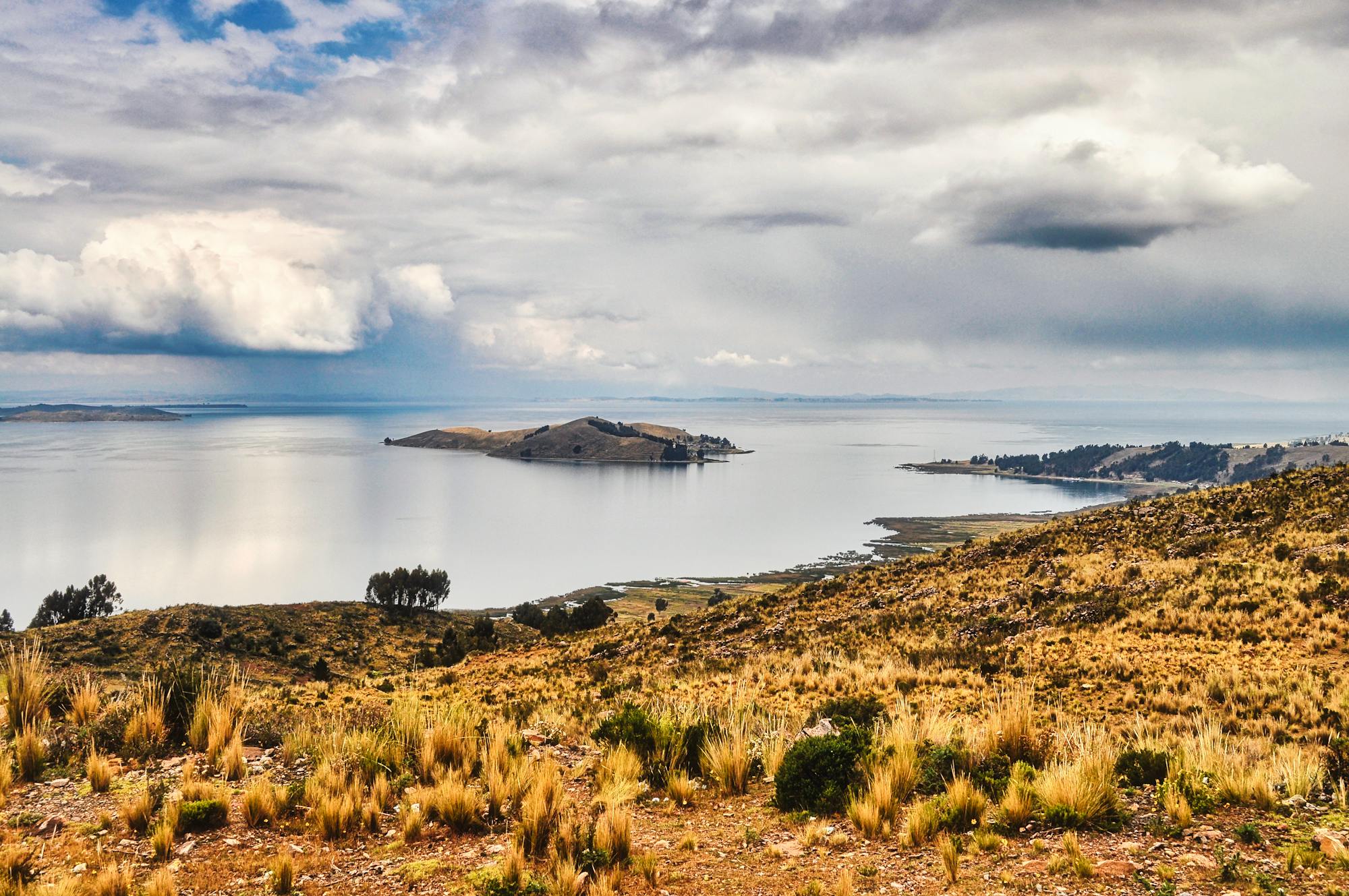
Cusco and the highlands (3,400m): May–October brings dry weather, bright weather, warm sunny days (18–22°C / 64–72°F), and cold nights (near freezing); wet season November–April brings daily rain and warmer nights. Machu Picchu (2,430m): warmer and more humid than Cusco; frequently cloudy and misty, especially mornings. Lima and the coast: overcast and mild year-round (15–25°C / 59–77°F) — between June and November, the Garúa can bring thick fog and keep Lima grey, while December–May is warmer and clearer so visitors can enjoy warm coastal conditions. Amazon (Iquitos, Puerto Maldonado): hot and humid year-round (28–35°C / 82–95°F), with high rainfall especially December–April; in drier periods, lower water levels can make wildlife watching easier. Lake Titicaca (3,812m): cold at night year-round, and dry season May–October offers the clearest skies and calmest lake conditions; the region also has strong links to the Inca Empire.
This range of climates is one reason the best time to visit depends on which region you prioritize.
Key Events
February: Inca Trail closure for maintenance; Carnival celebrations in Cusco and Puno; Pisco Sour Day falls on the first Saturday of February, with Pisco Sour celebrations around the country
March/April: Easter (Semana Santa/Holy Week) — elaborate Cusco processions, one of Peru's most atmospheric religious events
June 24: Inti Raymi (Festival of the Sun) in Cusco — spectacular Inca recreation ceremony at Sacsayhuamán
July 28–29: Peruvian Independence Day — national holidays with celebrations nationwide
August: Peak tourist season — Machu Picchu at maximum crowds; book everything well ahead
November 1–2: Día de los Muertos — elaborate cemetery celebrations throughout the highlands, blending Catholic and Indigenous traditions
November: Puno Jubilee Week — massive festivities celebrating the founding of Puno with Lake Titicaca cultural dances
December 8: Feast of the Immaculate Conception — a public holiday marked by church services and local celebrations in many towns
December 24–25: Santurantikuy craft market in Cusco — one of South America's most traditional Christmas markets