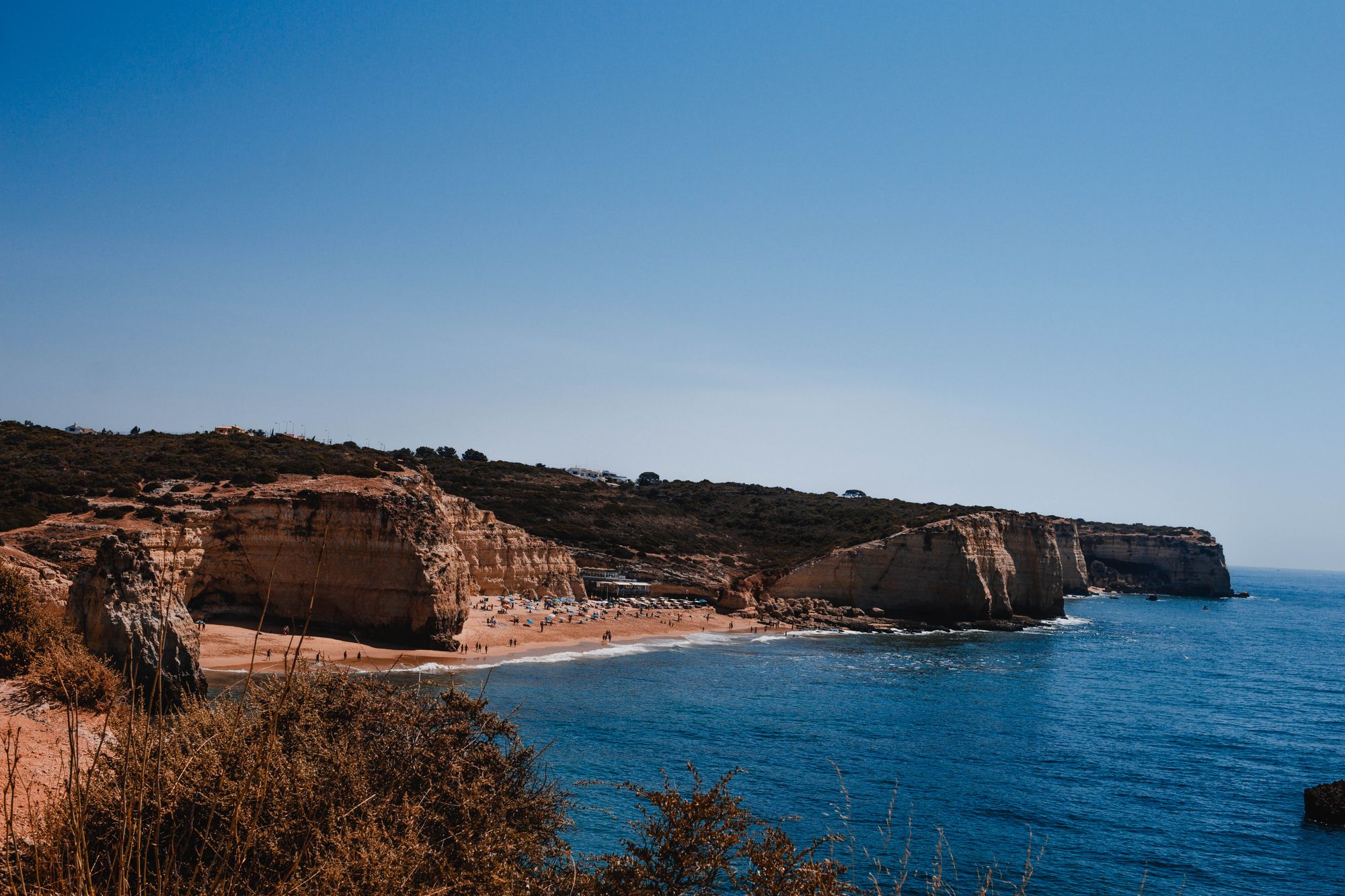
Portugal enjoys one of Europe's most enviable climates, with more than 300 days of sunshine annually in the south and a mild Atlantic climate in the north and centre. The best time to visit depends on what you're looking for: May to June and September to October offer the finest combination of warm weather, manageable crowds, and excellent value — these are widely considered Portugal's ideal travel windows.
Best Time to Visit Portugal: Spring (March–May)
Spring transforms Portugal into a garden. The countryside erupts with wildflowers — poppies, lupins, and cistus blossom across the Alentejo plains and coastal clifftops of the Algarve. Temperatures climb from 15°C in March to 22°C by May, with long sunny days and minimal rainfall. Lisbon in April is genuinely beautiful — the city celebrates Dia da Liberdade (Freedom Day) on 25 April with parades marking the 1974 Carnation Revolution. The Festa das Cruzes in Barcelos in May features one of Portugal's largest pilgrimages and folk markets. Crowds are light through April, building from mid-May onwards as Northern Europeans arrive for early summer. This is the best time for hiking the Rota Vicentina coastal trail in southwest Portugal.
Summer (June–August): Best Time to Visit
Summer is peak season, particularly for the Algarve, where beach conditions are superb — the Atlantic coast offers slightly cooler water (20–22°C) than the Mediterranean, with Praia da Marinha, Meia Praia, and Manta Rota among the finest beaches in Europe. The summer months are reliably hot, especially inland, while the coastal areas feel more manageable. Inland, the Alentejo can hit 40°C+ in July and August — challenging for sightseeing but excellent for the wine harvest that follows. Lisbon's Santos Populares festival in June is the city's most exuberant street party — neighbourhood saints' days are celebrated with grilled sardines, paper decorations, and dancing in Alfama, Mouraria, and Bairro Alto. Across Portugal, these festivities draw on Saint John traditions, with Porto's Festa de São João the most famous example. The NOS Alive music festival near Lisbon in July draws major international acts. Accommodation prices peak sharply in July–August in the Algarve — budget for a 30–50% premium over shoulder season rates.
Autumn (September–November) in the Douro Valley
Autumn, or fall, is many experienced travellers' favourite season in Portugal. September brings the Douro Valley grape harvest — one of Europe's most beautiful spectacles, as quintas come alive with traditional foot-pressing (lagar) and the valley fills with the scent of fermentation. It's also a great time for wine tasting and a scenic cruise along the Douro River. Sea temperatures in the Algarve remain warm (22°C) through September and October, with comfortable weather for outdoor activities and outdoor adventures beyond the beach. October in Lisbon is warm (20°C), golden, and relaxed — the city's cultural season kicks off with theatre, music, and art exhibitions. In fall, northern Portugal and central Portugal are especially appealing for scenery and seasonal exploring. The Óbidos Chocolate Festival in November and various wine harvest festivals across the country add seasonal flavour. Prices drop significantly after mid-September, making autumn excellent value.
Winter (December–February): Low Season
Winter in Portugal is mild by European standards — Lisbon averages 15°C in January and rarely drops below 8°C. The Algarve is warmer still, making it a popular winter sun destination for Northern Europeans. The alentejo region is also a peaceful winter alternative for quiet countryside stays and village visits. Christmas in Portugal is a warm family affair — Lisbon and Porto are beautifully decorated, with christmas festivities, markets, and seasonal treats like roasted chestnuts, and the Feira de Santa Iria market in Tomar and Christmas markets in Óbidos draw visitors. dia de reis, also called three kings day or kings day, falls on January 6 and marks the end of the festive season. January and February are part of the low season and generally the cheapest time to visit Portugal, with fewer crowds and hotel prices at their lowest, though some attractions and smaller businesses may keep shorter hours. The almond blossom season in the Algarve (late January to February) transforms the inland areas into a sea of pink and white flowers — a spectacular and little-known sight. Surfing conditions are excellent along the west coast all winter, with the famous big wave surfing at Nazaré (waves can exceed 20 metres) drawing international surfers.
Shoulder Season Tips
The very best time to visit Portugal, and the smartest time to visit Portugal for most travellers, is mid-May to mid-June and mid-September to late October. In these windows, temperatures are ideal (20–25°C), the water is warm enough for swimming, and travellers are taking advantage of mild temperatures and sunny weather. Crowds are a fraction of peak season, hotel prices are 20–35% lower, and you avoid the summertime crowds. June is particularly good for Lisbon — Santos Populares festival, long evenings, and before the summer rush peaks in July. Late spring is also an excellent period for a city-and-coast trip before peak summer. For the Douro Valley and wine country, October is the single best month — harvest season, golden autumn light, and some of Portugal's finest wine events. Budget travellers should target November to March, the low season and often the cheapest time for a trip to Portugal, keeping in mind that some smaller coastal businesses close in the quietest winter months.
If you're flexible, this is the best time to visit for value and comfort, so start planning early since Portugal works well as a year round destination.