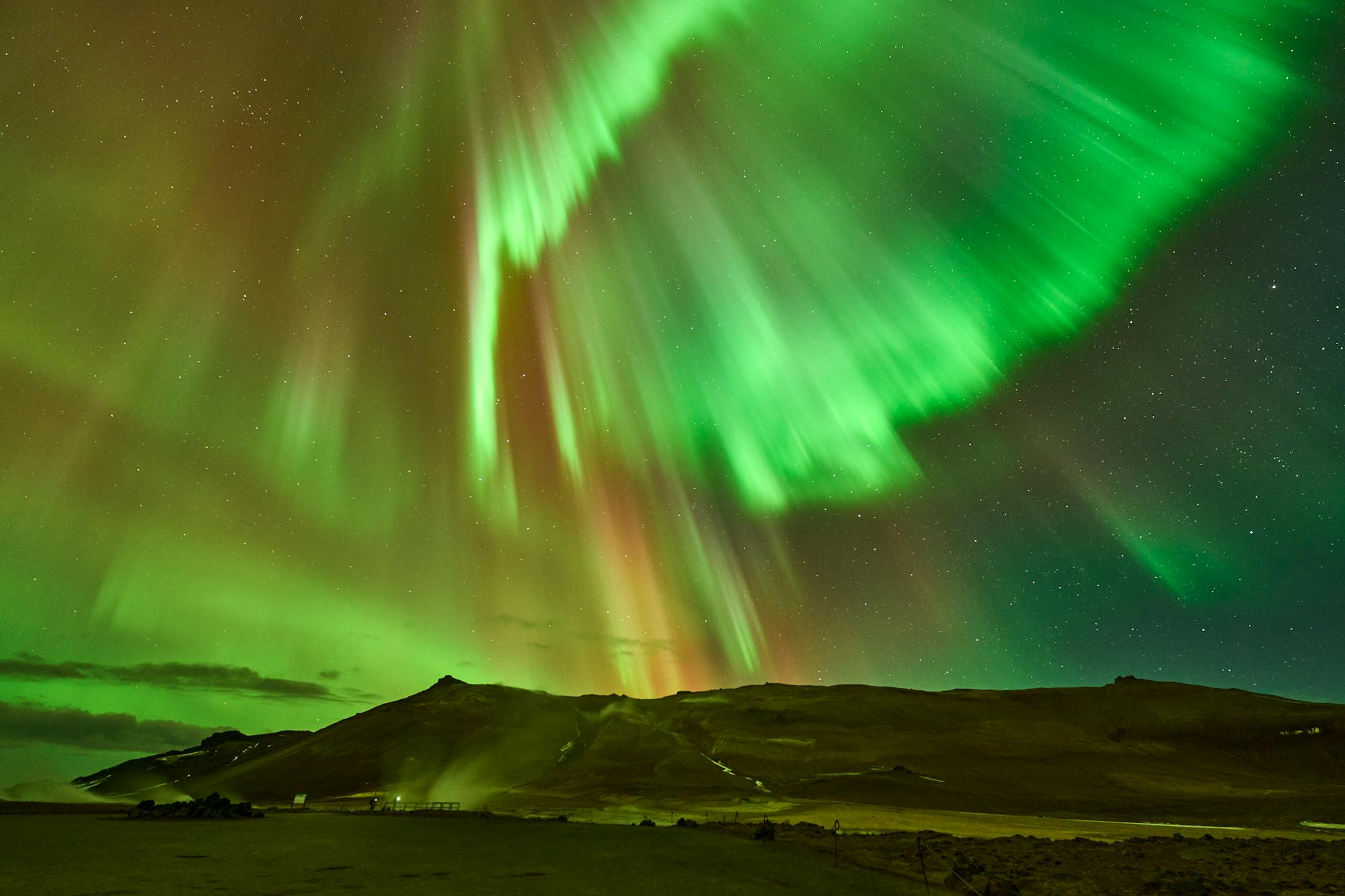
Reykjavik offers two entirely different worlds depending on the season — the endless daylight and warmth of the Icelandic summer, or the dramatic darkness and potential magic of Northern Lights in winter. Summer (June–August) brings the midnight sun, the warmest weather for hiking and whale watching, and Reykjavik's most vibrant outdoor culture. Winter (October–February) offers the best chance of seeing the Northern Lights. The shoulder seasons of May and September offer a balance: reasonable aurora chances, good conditions for outdoor activities, and significantly fewer crowds than peak summer.
Best Time to Visit Reykjavik
Content about best time to visit reykjavik.
The best time to visit Reykjavik is usually the summer months, especially June through August, though the perfect time depends on whether you want festivals, longer days, or a winter aurora borealis trip in Iceland. If you love discovering city events and nearby landscapes, this guide to the best time to visit Iceland helps you choose the right season.
Spring
May is one of the shoulder months and a good mix of longer days, good weather, fewer tourists, mild temperatures, and some of the warmer temperatures of the shoulder season. Even in spring, Iceland still has unpredictable weather, so checking weather forecasts before day trips is useful. It brings long daylight hours, fewer people at major sights, and spring wildlife, with puffins returning in May for visitors interested in whale watching and birdlife on a boat tours outing. It is also a smart time to visit Iceland if you want a road trip beyond Reykjavik before peak season builds, and early June is when summer conditions begin to settle in and access improves for outdoor adventures.
Iceland Summer
Summer is the best time to visit Reykjavik for many travelers because June, July, and August usually bring the mildest weather, the longest daylight hours, and some of the best weather in Reykjavik and across Iceland, along with easy access to natural wonders around the capital. The midnight sun appears from late May to early August, with late June and the summer solstice offering especially dramatic light, and in July the sun dips only briefly below the horizon, so pack an eye mask if the sun makes sleep difficult. This is also when hiking is best from May to September, camping is best in the summer months, and whale watching is best from April to September. The whale watching season peaks in summer, and whale watching tours are especially popular then. In June, average temperatures hover around 9–11°C, while in July, average temperatures ranging from about 10–13°C are typical.
June starts the busiest travel stretch and, for many travelers, early June marks the start of Iceland summer, with the Reykjavik Arts Festival adding to the appeal, while July is ideal for day trips to the Golden Circle, Thingvellir National Park, or the south coast. August is the peak season and busiest month, with August drawing the highest visitor numbers in Iceland and often crowding popular attractions; mid August is still part of festival season and remains a strong time for travel, Reykjavik Culture Night lands in late August with street performances, and Verslunarmannahelgi takes place the weekend before the first Monday in August. Across the country, highland roads and F-roads are generally open in summer, making it easier to take full advantage of a Ring Road drive, reach remote areas, soak in geothermal pools and natural hot springs such as the Blue Lagoon, enjoy hot pools, try horseback riding, and see the stunning landscapes with longer days and good driving conditions.
Autumn
September is ideal if you want fewer crowds, lower prices, and mild weather after the summer rush, with average temperatures that often still feel comfortable for sightseeing. It is also when the Reykjavik International Film Festival begins in mid-September and runs into mid October, giving the city a strong cultural calendar after late August. Visitor numbers to Iceland have risen by about 25% a year since 2010, which helps explain why the quieter autumn drop feels noticeable on any trip, and the Gulf Stream helps keep southwest Iceland milder than many travelers expect.
October adds autumn colors and is a better time to see the northern lights, with visibility typically running from late September to late March, though by late October conditions start feeling much closer to winter. Around the autumn equinox, geomagnetic activity can improve the chance of sightings, and clear skies matter more than the forecast alone. Cloud cover and solar activity both affect your chances of seeing the elusive northern lights. Getting away from Reykjavik's light pollution also improves viewing conditions. For travelers weighing the best time to visit Iceland for city breaks and scenic drives, autumn balances fewer tourists with access to the East Fjords, the ring road, and other routes before winter conditions become harder, while colder months bring more limits on mountain roads and make crossing rivers a risk during bad conditions.
Winter
Winter in Reykjavik runs from November to March, and these are the coldest and wettest months, with winter weather bringing the darkness needed to see the northern lights and enjoy a true bucket list night under the sky. February is often one of the strongest periods, with snowy landscapes adding to the appeal, while December and January bring especially long night conditions; clear, dark skies improve your odds, and heavy snow can affect travel outside Reykjavik, while wind chill can make the weather feel colder than the temperature suggests. November also brings Iceland Airwaves, a major music festival, while January is one of the quietest months for tourism in Iceland.
North Iceland is colder and often better known for winter sports. In the city, cafes and museums are popular in cold weather, and common excursions include natural ice caves, glacier hiking, frozen waterfalls, and other winter adventures outside Reykjavik, while spas and hot pools are a popular way to warm up. If you visit in early March or after late September, watch for snow, icy roads, and changing driving conditions, especially outside town, and bring warm clothing while you monitor weather forecasts. New Year's Eve and New Year's Eve celebrations in Reykjavik are a highlight, with fireworks, bonfires, and a festive spirit that make year round city travel feel especially memorable.
Overall, June through August are usually the best months for most visitors, September is great for fewer crowds and mild weather, and winter is best if your main goal is the aurora borealis. For many travelers, Reykjavik works as the base for an Iceland trip at any time of year, whether you want summer festivals, autumn color, or a winter escape with the added bonus of dramatic light.