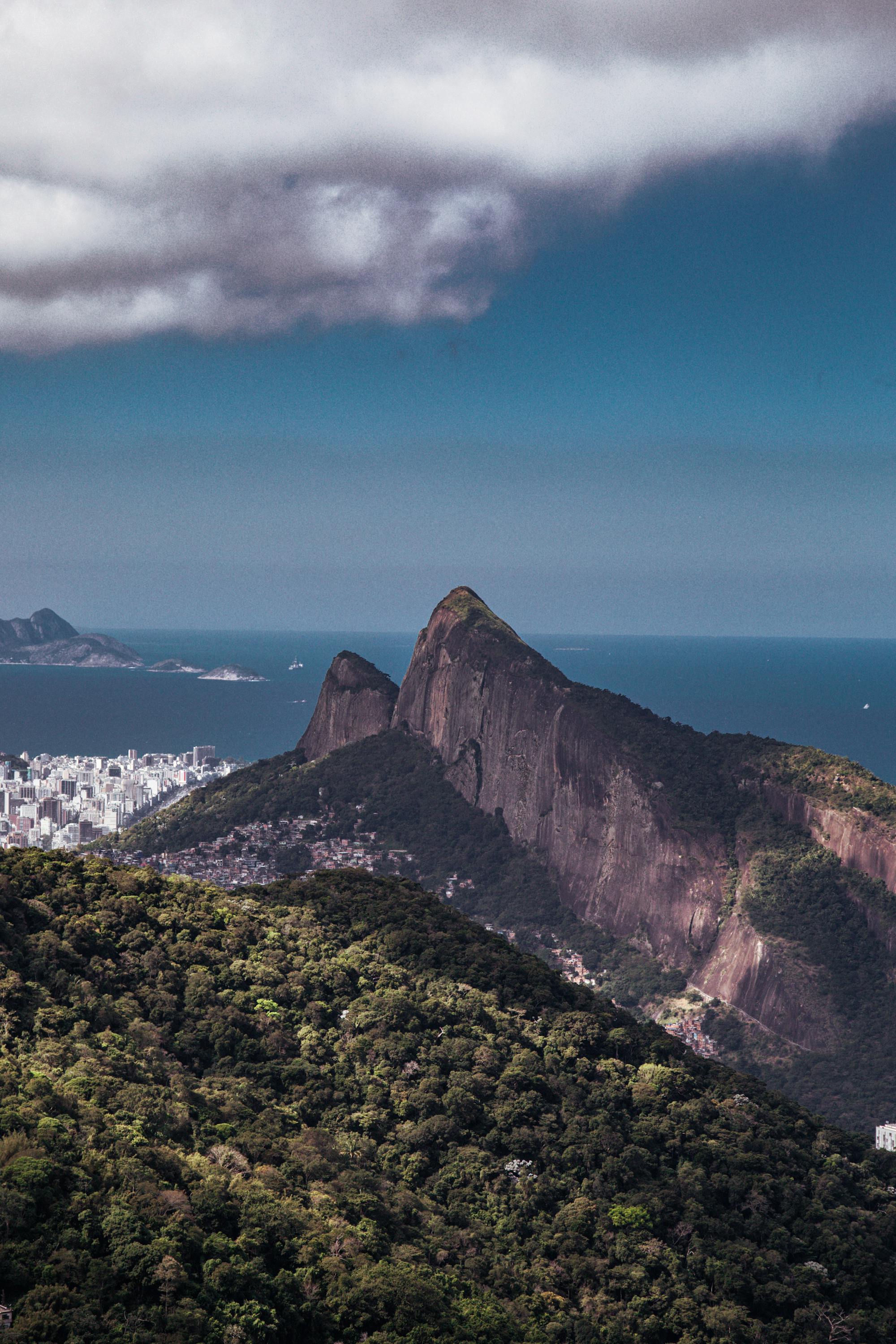
Rio de Janeiro is one of South America's most visited cities year-round, but the timing of your visit dramatically affects what you experience — from the extraordinary spectacle of Carnival and the warm beach season of the Southern Hemisphere summer, to the quieter, cooler months when the city is more affordable and less crowded.
Best Time to Visit Rio de Janeiro: Peak Season (December–March)
Rio's peak season coincides with the Southern Hemisphere summer — long, hot days, warm Atlantic waters, and the beaches of Copacabana and Ipanema at their most vibrant and social. New Year's Eve (Réveillon) on Copacabana Beach is one of the world's great celebrations — over 2 million people in white gather for live concerts and a spectacular midnight fireworks show. Carnival (February or March depending on Easter) is the defining event of Rio's year and one of the greatest spectacles on Earth — the Sambadrome parade and hundreds of street blocos transform the city. Book accommodation 6–12 months ahead for Carnival. Summer temperatures average 30–35°C (86–95°F) with high humidity — afternoon thunderstorms are common from December through March. Prices are at their peak throughout this period.
Shoulder Season (April–June): Best Time to Visit
April through June is among the best time to visit Rio de Janeiro for travelers who want warm weather with fewer crowds — post-Carnival prices drop significantly, the intense summer heat subsides to comfortable 23–28°C (73–82°F), and the city returns to its more everyday rhythm while remaining vibrant. The beaches are still pleasant and swimmable, with quieter beaches, fewer tourists, and major attractions feeling less busy, while the city's cultural life — concerts, exhibitions, food festivals — continues year-round. June brings the Festa Junina tradition of forró dancing and northeastern food culture, celebrated in neighborhoods throughout the city, and evenings can be slightly cooler, so a light jacket is useful for cool evenings.
Low Season (July–November)
Rio's winter (July–August) brings mild temperatures by global standards — averages hover around 18–24°C (64–75°F), occasionally dipping to 15°C (59°F) at night. The beaches are less crowded but still beautiful and swimmable on sunny days, with pleasant temperatures that still allow for rewarding beach days. Hotel prices are at their lowest and the city's museums, galleries, and restaurants have more room thanks to fewer visitors. September through November sees temperatures rising pleasantly again — this is often considered a "sweet spot" for visiting, with low humidity, more clear skies, improving beach weather, lower prices than the summer peak, and a city fully alive with its regular cultural programming. The Rock in Rio music festival (held in September in even-numbered years) is one of the world's largest music events and a reason to specifically target this period.
Weather Overview
Rio has a tropical monsoon climate. Summer (December–March): hot and humid summer weather, 28–38°C (82–100°F), the hottest months with high temperatures and more rain as Brazil's rainy season overlaps this period; rain often arrives as afternoon showers or afternoon downpours. Autumn (April–June): warm and increasingly pleasant, 22–30°C (72–86°F), decreasing rainfall. Winter (July–August): mild with dry weather and sunny skies, 18–25°C (64–77°F) — Rio's most comfortable weather for sightseeing, though cold fronts can occasionally bring cloudy days and rainy days. Spring (September–November): warming pleasantly with occasional showers, 22–32°C (72–90°F), with sunny weather returning as daytime temperatures rise through the season. The ocean temperature stays warm year-round (22–27°C / 72–81°F), making beach swimming enjoyable in all seasons. Humidity is the main challenge in summer — mornings are typically clearer before afternoon heat builds.
Key Events: New Year's Eve
January 1: Réveillon New Year's Eve on Copacabana — 2+ million attendees, spectacular fireworks, live music, and a festive atmosphere during the city's famous year's eve celebrations
January: Festa de São Sebastião — patron saint of Rio celebrations
February/March: Carnival — Sambadrome parade led by samba schools, hundreds of street parties citywide, and high prices during high season
June: Festa Junina celebrations throughout the city — forró dancing and traditional food
July: Rio de Janeiro Film Festival
August: Festa Nacional da Cachaça and neighborhood cultural events; national holidays and school holidays around major dates can raise crowds and costs
September: Rock in Rio music festival (even-numbered years) — one of the biggest music festivals in the world
October: Rio Marathon and various street festivals
November: Black Consciousness Day events and cultural programming
December: Christmas lights on Lagoa Rodrigo de Freitas — one of the world's largest floating Christmas trees