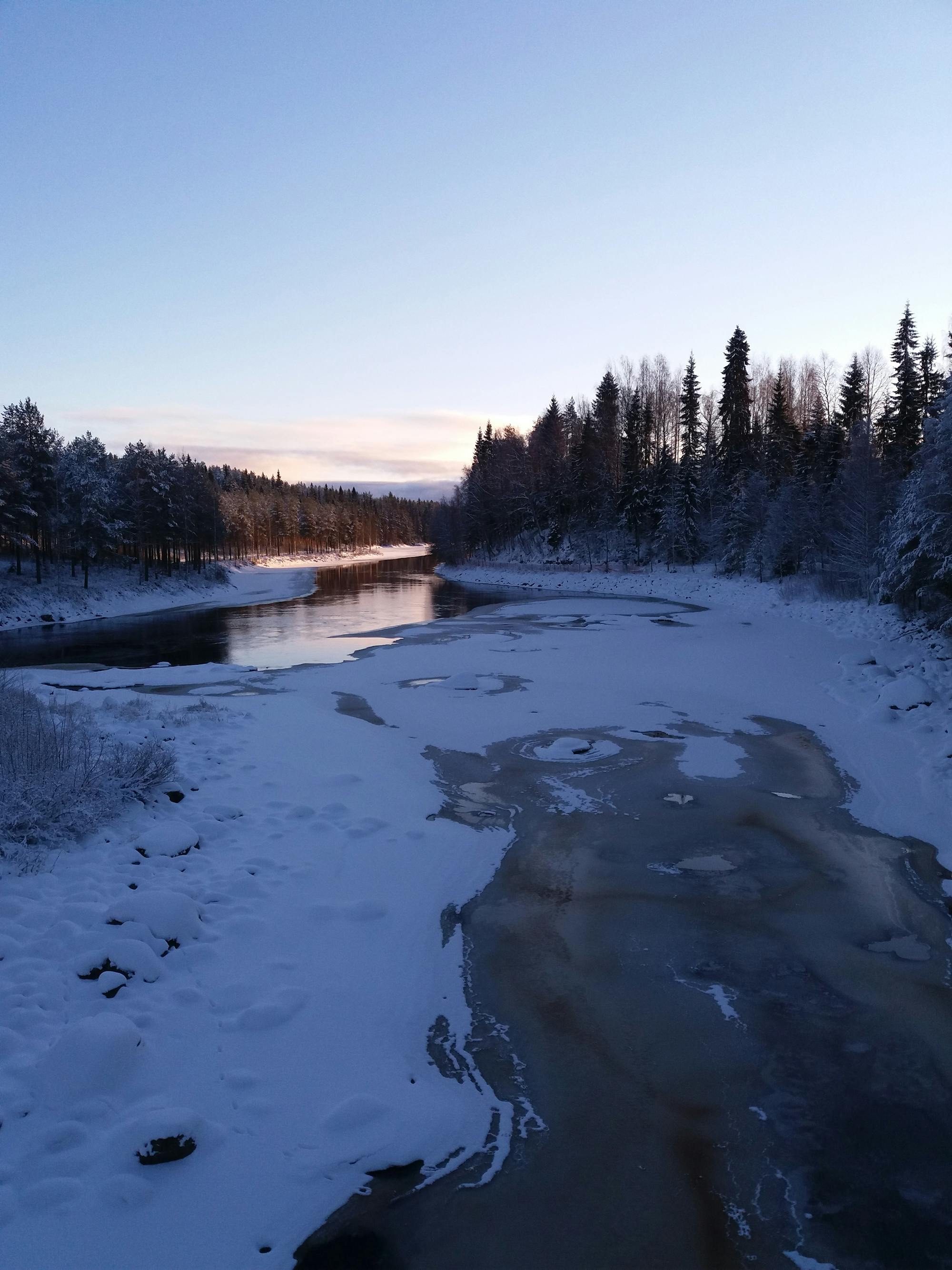
The best time to visit Rovaniemi depends on your primary goal: for the Northern Lights, snow activities, and the full Arctic winter experience, come between late November and late March, while for the midnight sun and summer outdoor activities, June and July deliver extraordinary 24-hour daylight. Rovaniemi rewards visits in all seasons, and each delivers a genuinely different experience of life on the Arctic Circle.
- Best time to visit: late November to late March for Northern Lights, or June–July for the midnight sun
The best time to visit Rovaniemi depends on your primary goal. For the Northern Lights, snow activities, and the full Arctic winter experience, come between late November and late March — with December through February offering the most reliable snow cover and the darkest skies for aurora viewing. For the midnight sun and summer outdoor activities, June and July deliver extraordinary 24-hour daylight. Christmas week is the single most popular period and the most expensive, while late January through early March represents the sweet spot for winter visitors: maximum snow, active auroras, and competitive prices. Rovaniemi rewards visits in all seasons, and each delivers a genuinely different experience of life on the Arctic Circle.
Spring (March–May): Best Time to Visit Rovaniemi
March is one of the best times to visit Rovaniemi and one of its best months. Snow is deep, all winter activities are running at full capacity, and the snow conditions are often in perfect conditions for outdoor adventures such as husky sledding, while the lengthening days — reaching 12+ hours by the spring equinox — bring extraordinary golden light on the snow. The Northern Lights are still active, and March is prime time for aurora viewing because there are still more hours of darkness than in late spring, making the combination of daylight activities and aurora evenings ideal for active visitors. April sees rapid change: temperatures swing between -10°C and +5°C, early April can still support winter activities, the snow begins thinning, and some activity operators wind down for the season by mid-April. March is often the snowiest month. May is the quietest and least photogenic month, as snow melts to reveal the grey-brown forest floor, but it brings the reindeer calving season and the first signs of spring green.
Summer (June–August) and the Midnight Sun
Rovaniemi's summer is a revelation for visitors who know the city only as a winter destination, and another excellent time to visit. From late May, the sun barely dips below the horizon, and by midsummer the Arctic Circle enters the midnight sun season, bringing endless daylight as the sun remains above the horizon continuously for several weeks. The Kemijoki and Ounasjoki rivers become venues for kayaking and fishing; the surrounding forests offer long-distance hiking, mountain biking, wild berry picking, and other outdoor activities. Mosquitoes love the warm, humid summer conditions, especially near water and in forested areas. The city itself is more relaxed in summer, with riverside terraces, outdoor concerts, and a local atmosphere that feels very different from the winter tourist season. Temperatures can get surprisingly warm on the hottest days, reaching 25°C. July is often the best month for travelers focused on warm weather. The Santa Claus Village operates year-round but is much quieter in summer, making it easier to visit without the crowds. You will also find fewer tourists and lower prices than during the winter peak season. For a different seasonal experience, summer golf at the Santa Claus Golf Club lets visitors play golf on the summer golf course and sometimes spot freely roaming reindeer.
Autumn (September–November): Visit Rovaniemi
September brings the ruska — Finland's autumn colour season — when the birch and aspen forests around Rovaniemi turn gold and copper in a display of colour that rivals any Nordic autumn landscape. The first auroras can appear in September as darkness returns after the midnight sun, marking the start of the northern lights season, though weather and clear skies matter a lot for spotting the aurora borealis.
October can bring the first snowfall in late October, with temperatures dropping sharply and snow conditions in early winter varying before the main winter rush.
November is transitional — late November is part of early winter, but early snow is still patchy, not all winter activities are yet running, and the polar night begins to deepen. However, November visitors benefit from low prices and fewer crowds, making autumn a good time to visit Rovaniemi before the solstice approaches.
Winter (December–February) and the Northern Lights
Winter is the most popular time to visit Finnish Lapland and Rovaniemi, and this is when the city feels most magical and most visited. December is dominated by the Christmas tourism season — the Santa Claus Village is at full operation, flights from across Europe bring families for Santa experiences, and the whole city takes on a festive atmosphere full of festive cheer. Polar night means the sun barely rises above the horizon in late December, creating a perpetual twilight punctuated by the blue-hour glow on snow. January and February are the coldest months, with January often the coldest time, temperatures regularly reaching -25°C, and conditions staying very cold, but also the most reliably clear for aurora viewing. The winter season also brings more hours of darkness, which improves your chances of spotting the northern lights. All winter activities operate at maximum capacity, and Finnish Lapland is known for these experiences: husky safaris, snowmobile expeditions, reindeer sleigh rides, ice fishing, snowshoeing, and cross-country skiing on groomed trails. In late winter, Rovaniemi feels like a true winter wonderland, and for some visitors a glass igloo stay adds to the appeal. Arctic Design Week is also a notable late-winter cultural event.
What to Avoid and When to Go Off-Peak for Fewer Tourists
Avoid Christmas week (20–27 December) unless you have booked both accommodation and activities many months in advance; prices during this period can be double or triple regular winter rates and popular operators sell out entirely. November and April can be a good time to visit for lower prices, but snow conditions are less reliable, so these periods suit travelers happy to trade peak conditions for fewer tourists. For the optimal balance of conditions, availability, and value, the best time to visit is still the last two weeks of January or the first three weeks of February, though the ideal time to visit depends on whether you want snow, auroras, or summer nature. Summer visits in June and July, when summer is in full swing, offer the unique midnight sun experience at prices 40–50% below winter rates — an excellent time for visitors whose priority is nature, hiking, and a different kind of Rovaniemi entirely.