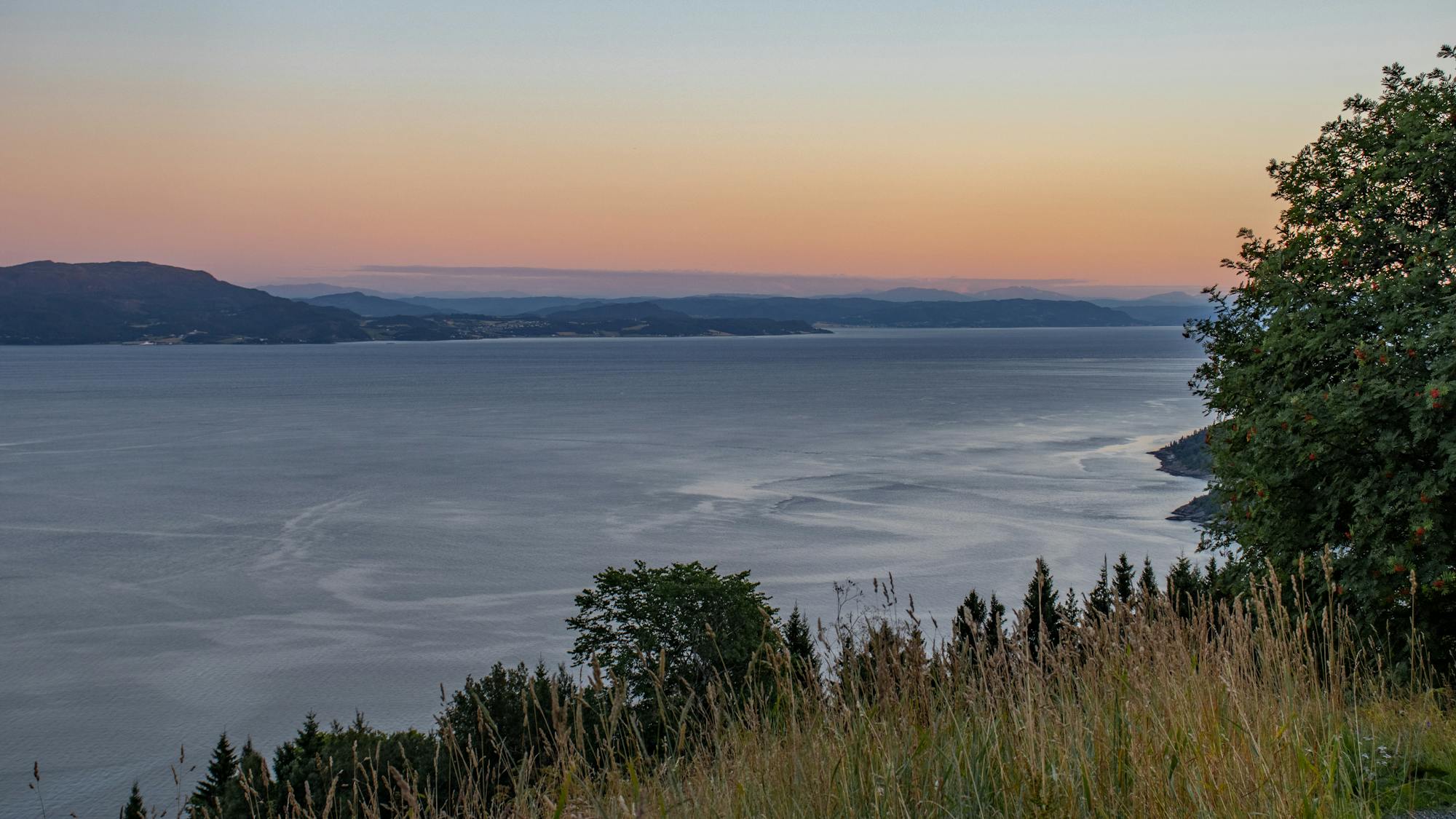
The best time to visit Scandinavia depends on which experience you are seeking: for the Norwegian fjords, midnight sun, and outdoor adventures, June through August is peak season, while for the Northern Lights and winter wilderness in Arctic Scandinavia, December through March offers the darkest skies and most reliable aurora viewing. Each season in this region is distinct, dramatic, and genuinely worth experiencing.
Best Time to Visit Scandinavia
Content about best time to visit scandinavia.
The best time to visit Scandinavia depends on its four distinct seasons: choose Scandinavian summer for sightseeing in the Scandinavian countries, a shoulder season for value across the wider Nordic countries, spring for lower prices, fall for hiking, or winter for snow-filled escapes.
Peak season runs from june to august in the north, with july bringing long days, more than 16 hours of daylight, and more daylight for outdoor activities, but high tourist season also means longer lines and pricier stays in popular capital cities.
For many travelers, the best months are the summer months from June to August, when the weather is warm, the sun brings sunny days, summer shows off natural beauty and cultural attractions, and summer activities include city cafés, fjord cruises, and Midsummer celebrations from June 19–26 during summer vacations.
In norway, this is a great time to visit Norway for stunning fjords, Pulpit Rock, cruising and spotting wildlife, while the midnight sun shines in the far north and across parts of the arctic region.
The shoulder windows from late May to early June and late August to mid september are often a wonderful time to discover each country, with good conditions, fewer crowds, and lower prices; september in particular is a strong pick.
Travel prices usually drop significantly after September.
Fall is ideal for hiking trips and changing colors, and october also starts the main northern lights viewing period, though the weather can turn cold.
Demand for winter experiences peaks from December to march, and winter sports are usually best from January to March, making winter a wonderful choice for skiing, snow, and Christmas markets in Copenhagen.
In sweden, classic winter activities like dog sledding add real winter magic, and early winter is also a popular time for Santa Claus Village in Rovaniemi, where Santa Claus draws visitors to Finnish Lapland near the Arctic Circle.
The aurora borealis occurs year-round, but the best time for Northern Lights is October to March, when dark skies are more common; those dancing northern lights are easiest to see in the northern reaches, especially around Rovaniemi after crossing the Baltic Sea into Finland.
Outside the busiest holiday dates, winter travel often means quieter attractions and a more relaxed trip, while the locals settle into the rhythm of the distinct seasons.