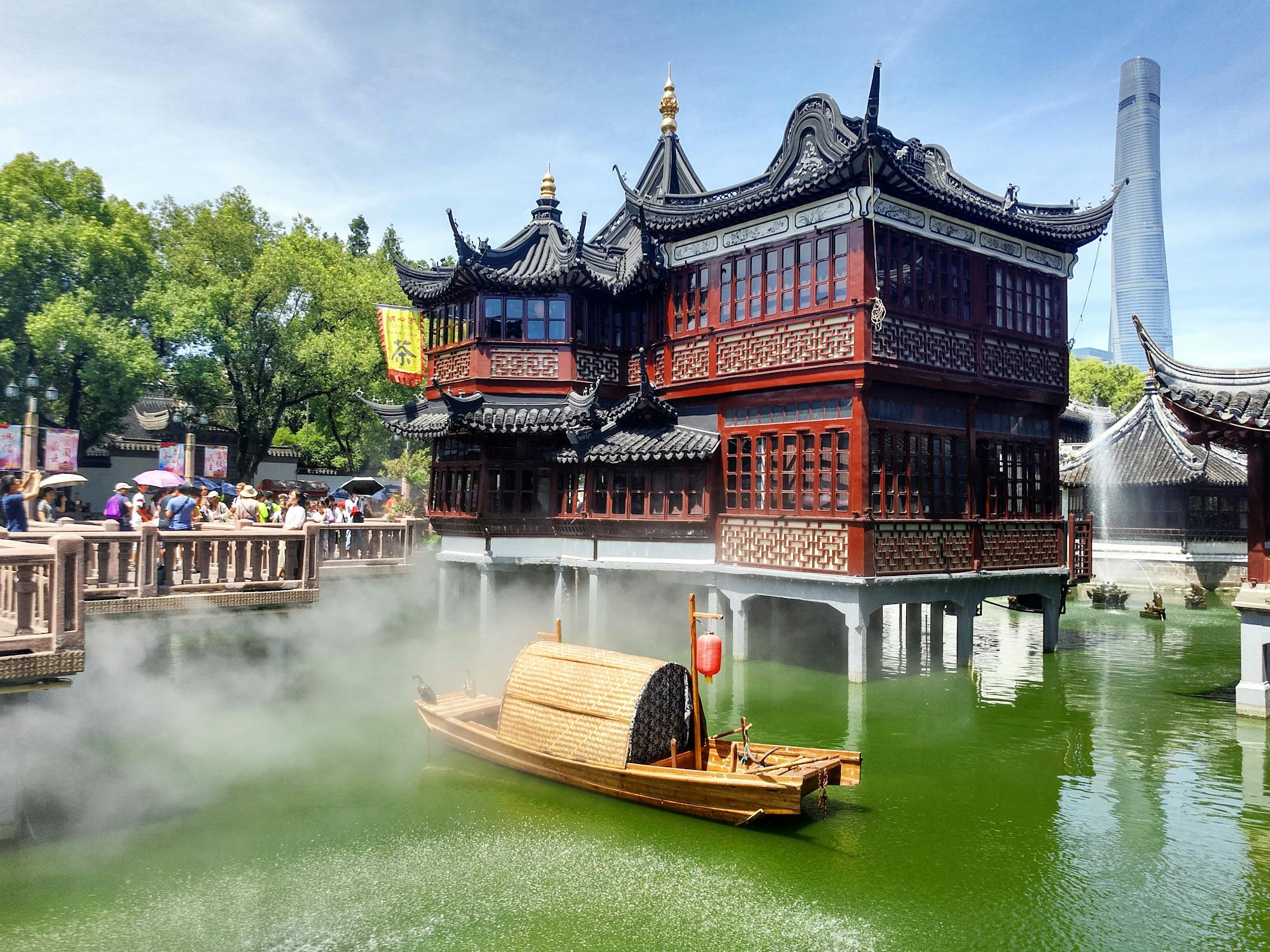
Shanghai sits at 31 degrees north on China's east coast, giving it a subtropical monsoon climate with four distinct seasons. The city is most pleasant in spring (March–May) and autumn (September–November), when temperatures are comfortable, humidity is manageable, and outdoor life on the rooftop bars, French Concession café terraces, and Bund waterfront is at its most appealing.
Shanghai sits at 31 degrees north on China's east coast, giving it a subtropical monsoon climate with four distinct seasons. The city is most pleasant in spring (March–May) and autumn (September–November), when temperatures are comfortable, humidity is manageable, and the city's outdoor life — rooftop bars, French Concession café terraces, Bund waterfront promenades — is at its most appealing. Summer brings oppressive heat, humidity, and the Meiyu rainy season; winter is cold but not extreme, and the Christmas-New Year period brings spectacular light displays along The Bund. Understanding Shanghai's seasons helps calibrate expectations and maximise the city's considerable charms.
Best Time to Visit Shanghai: Best Season to Visit
Autumn (September–November) is arguably Shanghai's finest season and the one most consistently praised by repeat visitors. With a humid subtropical climate and four distinct seasons, Shanghai is at its best time to visit in autumn and spring, when weather conditions are generally easier for sightseeing. September brings warm days (22–28°C), lower humidity than summer, and a city that feels refreshed after the August heat. October is a great time to visit Shanghai thanks to pleasant weather, comfortable temperatures (15–22°C), and cooler weather for sightseeing; evenings may call for a light jacket, but avoid the first week of October, when the National Day public holiday brings peak crowds. The Shanghai Rolex Masters also takes place in October. The Shanghai arts and culture calendar is most active in autumn: the Shanghai International Arts Festival (October–November) brings world-class opera, theatre, and dance to the city, and gallery openings in M50 and the Power Station of Art cluster in October. Spring (March–May) is close behind: these are also the best months and another best time if you want mild weather and mild temperatures to explore the city on foot. Spring weather conditions usually range from 8–25°C and often feel closer to 15°C in the earlier stretch of the season. Early April includes Qingming Festival, which can affect crowds. Cherry blossoms reach full bloom around then in Fuxing Park. May can be warm and slightly humid but remains pleasant for outdoor dining and waterfront walks, and late May is especially good for fewer crowds and outdoor activities. It's also a great time to take in Shanghai Tower.
Rainy/Meiyu Season to Visit Shanghai
Shanghai's rainy season has two phases. The Meiyu (Plum Rain) season runs from mid-June to early July — a period of persistent grey drizzle and high humidity caused by the convergence of cold northern air and warm tropical air. This is typically the most unpleasant weather window of the year: not heavy tropical storms but an incessant grey dampness that discourages outdoor exploration and makes the city feel oppressive. Carry an umbrella everywhere, embrace the city's excellent museums and restaurants as indoor activities — with the Shanghai Museum a particularly strong option on wet or wintry days — and consider this a period for indoor Shanghai rather than The Bund promenade. The main summer monsoon (July–August) brings hot summers, with temperatures that can reach 35°C (95°F), high humidity, and average rainfall of 5.2 inches (132 mm) rather than constant rain, punctuated by occasional heavy thunderstorms. Typhoons occasionally affect Shanghai in late summer — check forecasts if visiting in August or September. The Shanghai Beer Festival in August is best paired with evening plans when days are especially hot. In December, this same focus on sheltered sights can make colder, damper days easier to enjoy, though snow is rare in Shanghai.
Peak Tourist Season: Best Time to Visit
Shanghai's domestic tourism peaks follow China's national holiday calendar. The National Day Golden Week (October 1–7) is Shanghai's peak season for domestic travel, bringing the highest visitor numbers, with the Bund, Yu Garden, and Xintiandi at their most crowded. Hotel prices increase 30–80% during this week, so book hotels early if you plan a trip during these dates. The May Day Golden Week (May 1–5) creates a similar but shorter pressure spike. Unlike Beijing or Xi'an, Shanghai during Chinese New Year (late January/February) maintains strong visitor numbers — the city has a large expatriate population that stays, and the Bund light shows and Yuyuan Lantern Festival attract significant domestic tourism. For the cleanest visitor experience at Shanghai's most popular sites, plan around these public holiday surges and aim for weekdays outside the Golden Week windows, arriving at Yu Garden and the Bund before 9am.
Shoulder Season and Mild Weather
March and November are the optimal shoulder season months and among the best months for a Shanghai trip if you want fewer crowds and mild weather than peak periods. March opens quietly — the city is emerging from winter, early spring blossoms begin appearing, and hotel prices are at their annual low before the spring festival rush. The weather is changeable (10–18°C, occasional rain) but mild enough for walking the French Concession and The Bund comfortably; it is also a good time for a quieter half-day outing to Zhujiajiao water town or for evening views on a Huangpu River cruise without peak-season crowds. November is the post-Golden Week sweet spot: temperatures remain comfortable into mid-November (12–18°C), the city's autumn cultural calendar is still running, and hotel rates have retreated from peak. Both months offer a more genuinely local experience of Shanghai — the tourist pressure eases, the restaurants and cafés are less frantic, and the city's creative neighbourhoods feel more approachable. Winter temperatures here rarely fall below 0°C (32°F), so it can still bring comfortable weather for city sightseeing. Late February also works if the Chinese New Year holiday has passed, combining late-winter prices that can run about 30% lower than normal with the start of warming temperatures.
Festivals and Celebrations for Outdoor Activities
Yuyuan Lantern Festival, held during the 15-day Spring Festival window around Lunar New Year (late January/February), transforms the Yu Garden Bazaar into a spectacular display of traditional silk lanterns — thousands of hand-crafted lanterns depicting dragons, phoenixes, and zodiac animals illuminating the classical garden architecture nightly. It is one of the most beautiful festivals in China and draws enormous crowds; if holiday dates fall in early February, travel is especially busy, so arrive before 6pm to secure a position. Shanghai International Film Festival (June) is Asia's most prestigious film festival, screening hundreds of international films with events at the Shanghai Film Art Centre and historic Art Deco cinemas across the city. The Dragon Boat Festival is another key summer cultural event, with river traditions and festive local celebrations. Shanghai International Arts Festival (October–November) brings world-class orchestras, ballet companies, and theatre troupes to the city's concert halls. The Formula E Shanghai E-Prix (date varies) races through the city streets and draws a global motorsport audience. In autumn, the Mid-Autumn Festival falls on September 25–27, 2026. Longhua Temple Fair in April is a spring celebration at Shanghai's oldest Buddhist temple, with traditional performances, incense ceremonies, and street food — a more local and atmospheric alternative to the Yuyuan crowds. Qingming Festival takes place in early April in Shanghai. If you want your trip to revolve around these major events, start planning well in advance around festival dates.