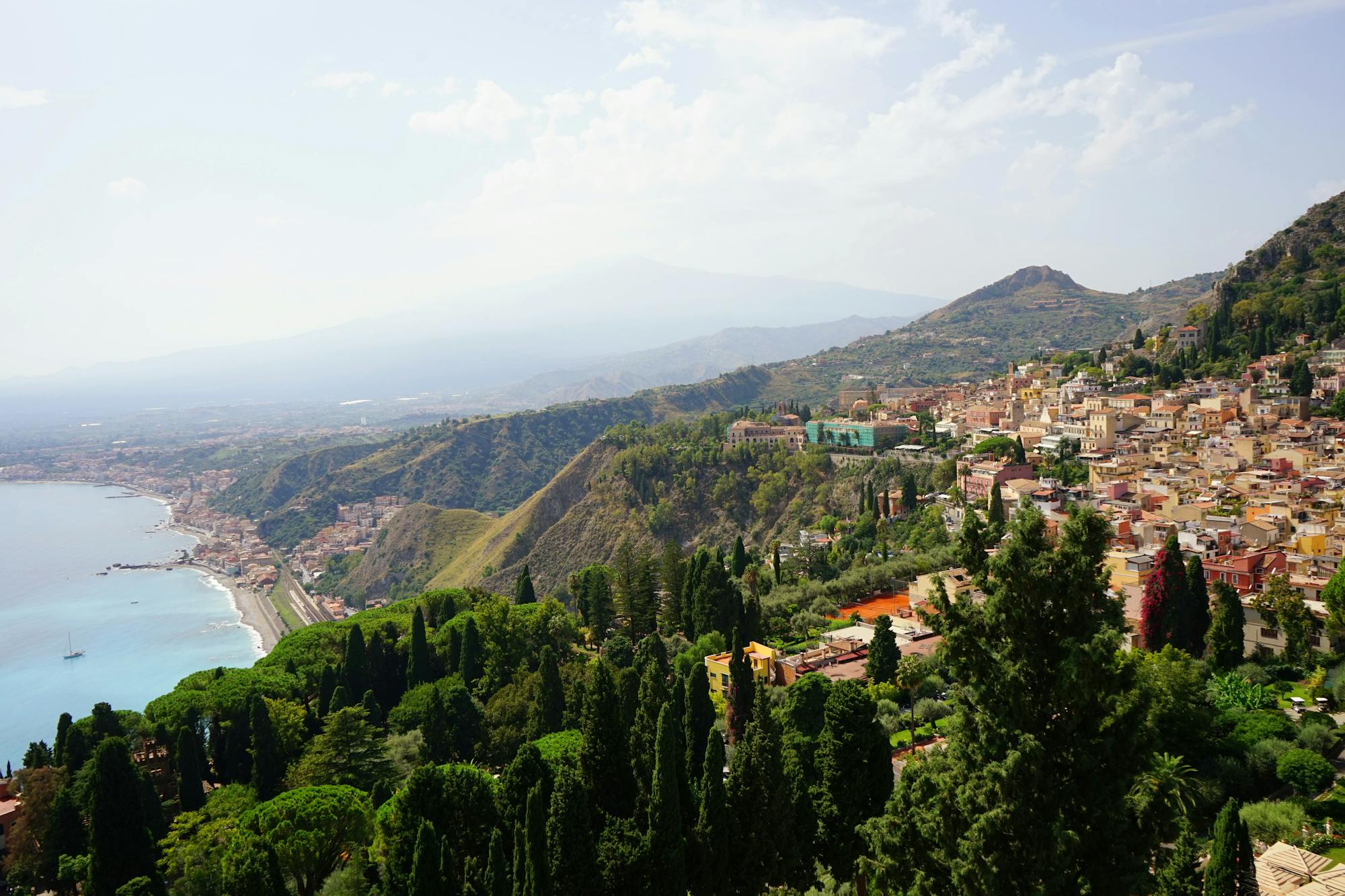
The best time to visit Sicily is April–June or September–October — when the Mediterranean climate delivers warm, sunny days ideal for exploring ancient sites and swimming in crystalline waters, without the crushing heat and crowds of August. Each season has its own rewards, but the shoulder seasons are when Sicily is most balanced and most beautiful.
Best Time to Visit Sicily: Spring (March–May)
Spring transforms Sicily with extraordinary speed and beauty, making it the best time to visit for many travellers deciding the ideal time to visit Sicily. From late February, almond trees blossom white across the Valle dei Templi — the Sagra del Mandorlo in Fiore (Almond Blossom Festival) in Agrigento is one of Sicily's most colourful celebrations. By March, in early spring, temperatures reach 14–18°C, with mild weather and mild temperatures that are excellent for sightseeing, while the island's wildflowers — poppies, anemones, asphodels — create extraordinary colour against the ancient stone. April is superb: warm enough for the first swims at sheltered southern beaches (20–22°C), ideal for hiking Mount Etna, and spring's pleasant weather also makes it a great season for walking tours before summer heat. It is also perfect for visiting Taormina's Greek Theatre, along with nearby archaeological sites and ancient ruins, before the summer tourist surge. Easter in Sicily is celebrated with intense theatrical processions — particularly in Enna and Marsala. May brings genuine warmth (22–26°C) and marks early summer, with the first real beach days.
Summer (June–August) and Sicily weather
Sicilian summer is magnificent but intense, and the summer months from June to August bring warm weather that suits beach days and late evenings outdoors. Early June offers the perfect combination — warm enough to swim everywhere in warm seas (sea temperatures 22–24°C), long brilliant days, and, as it still sits outside the main peak season, fewer crowds before the Italian school holidays end. The Taormina Film Fest (June) and Taormina Arte performances (July–August) at the Greek Theatre under the stars are among Italy's most glamorous cultural events. July and August are often hot, with temperatures of 32–40°C on the southern coast, very little rain, and low rainfall overall — the ancient site of Agrigento in full August sun requires early morning visits. The beaches of the Aeolian Islands and Sicily's coasts are at their most beautiful but most crowded, and summer is also a great time to explore Sicily’s offshore islands. Ferragosto (August 15th) is Italy's national holiday and the busiest period for a Sicily trip: beaches are packed, availability is tighter during peak travel weeks, many shops close, but the seaside energy is festive and uniquely Italian.
Autumn (September–November) and harvest season
September and October are arguably Sicily's finest time to visit. The sea is at its warmest (25–26°C), summer crowds have thinned, and in early fall there are fewer tourists; average temperatures range from 25–28°C in September, while autumn temperatures range more broadly as the season progresses, and the island takes on a golden, harvested quality. The grape harvest runs through September in the wine zones of Etna, Marsala, and Nero d'Avola country, making the harvest season during the autumn months especially appealing. The Pistachio Festival in Bronte (on Etna's slopes, odd-numbered years in September) celebrates the world's finest pistachios with tastings and street food. This is also when many festivals and food festivals animate small towns across the island.
October is cooler (20–24°C), but even late October is still warm enough for swimming and outdoor sightseeing on a Sicily visit; the ancient sites of Agrigento and Syracuse are at their most photogenic in autumn light, and the season is worth planning for travelers who want culture, beaches, and space in the same trip. November brings rain and cooler temperatures (14–18°C) but also the olive harvest and a beautifully quiet island.
Winter (December–February) and fewer crowds
Sicily in winter is Europe's warmest major island and a destination worth considering year round — Palermo averages 13°C in January, milder than Rome. The weather in Sicily is coolest in December and January, when rain is most likely, but average temperatures in winter stay mild and many days are still clear and sunny. The island takes on a deeply authentic, local character during the winter months and low season — beaches empty, tourist infrastructure quietens for the off season with fewer crowds, and the real Sicily emerges in morning markets, Sunday family lunches at trattorie, and long indoor meals centered on Sicilian cuisine. Carnival (Carnevale) in Acireale (near Catania) is one of Italy's most spectacular — elaborate flower-decorated floats parade through baroque streets in February. Skiing is possible on Etna (Piano Provenzana) from December to late March, offering the extraordinary experience of skiing with sea views, while the Nebrodi Mountains add another winter landscape if you want to experience Sicily beyond the beach season.
Key Events and Festivals: best time to visit
Sicily has an extraordinarily rich festival calendar, and these events help shape the best time to visit Sicily because some are especially worth planning around. The Sagra del Mandorlo in Fiore (late February–early March, Agrigento) celebrates almond blossom with international folk groups performing among the Greek temples. Easter processions across the island — particularly in Enna and Marsala — are among Italy's most dramatic, and there are many festivals through the year as well. The Infiorata di Noto (May, third Sunday) covers the city's baroque Via Corrado Nicolaci in a carpet of flower petals. The Festa di Santa Rosalia (Palermo, September 4th) is the city's most important religious festival, with a candlelit procession and fireworks over the harbour. The Palio dei Normanni in Piazza Armerina is another notable summer historical festival that can enrich a broader visit Sicily itinerary. In the milder seasons, festival timing also makes it easy to enjoy food and evening dining al fresco.