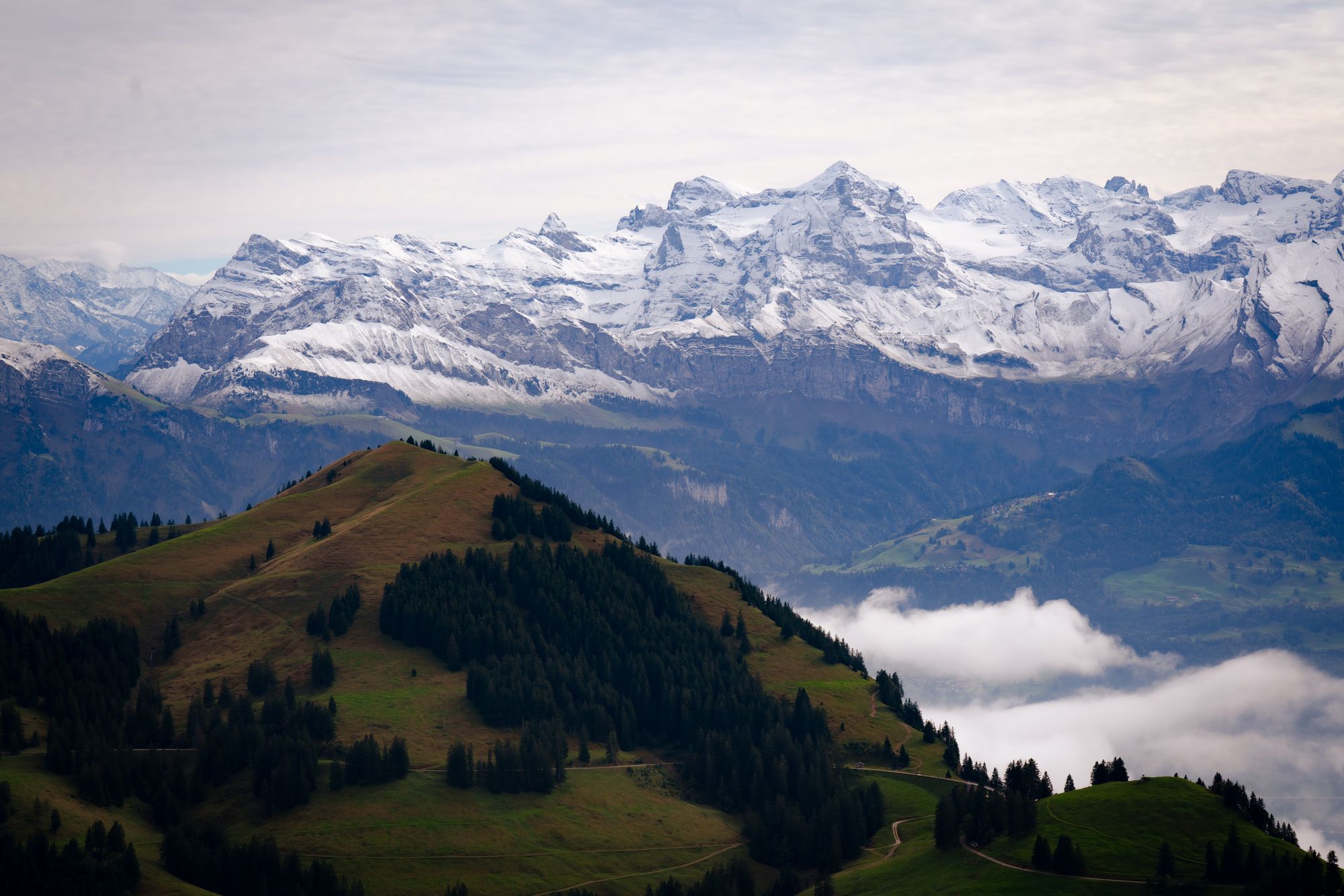
Switzerland is a genuinely year-round destination, with each season offering distinct rewards: June through September for hiking, lake swimming, and mountain scenery, and December through March for some of Europe's finest and most reliable ski slopes. Spring and autumn are quieter and cheaper shoulder seasons that reward travellers willing to accept variable weather.
Best Time to Visit Switzerland
The best time to visit Switzerland is June to August, though the right visit based on your interests depends on the season. In summer, June starts the peak season, and peak summer into August brings warm weather, pleasant temperatures, and some of the best weather for outdoor activities across the mountains, swiss mountains, swiss alps, and alps; July and August are warmest for hiking and lake swimming at 18°C to 28°C, while broader summer ranges are about 18°C to 30°C, and prices are highest in high summer. Hiking trails open widely then, with iconic routes like the Eiger Trail especially popular. Lake Lucerne is great for boat trips and swims. Lake Geneva is lively in July, when the montreux jazz festival takes place on its shores. Lake Zurich also comes into its own for summer cruises and lakeside time. The bernina express is a standout scenic rail ride in clear summer conditions. The glacier express offers panoramic alpine journeys during this period. Swiss National Day on August 1 adds fireworks and celebrations across the country.
Autumn, or fall, is ideal for September hikes thanks to pleasant weather, glowing foliage, and fewer crowds, with temperatures usually around 8°C to 15°C and often fewer tourists in cities like Zurich and Lucerne. The weather is often mild weather in early october, when the lavaux region and other vineyard areas shine as vines turn gold, and wine festivals celebrate the grape harvest, including the grape harvest festival in September. At Rhine Falls, cooler days and misty mornings add atmosphere to sightseeing. Local traditions also come alive when dairy cows return from alpine pastures, marked by village celebrations. One drawback is that many hotels close in quieter resort areas.
Spring suits travelers who want fewer tourists, and with temperatures around 5°C to 15°C or 10°C to 20°C, it shows why Switzerland is a year round destination. By mid may, Alpine wildflowers and cherry blossoms in Zurich and Bern brighten the country, and accessible hiking trails plus city time in Zurich and Lucerne make it a smart trip. Expect some rainy days, especially at lower altitudes. Boat cruises begin again on Lake Thun and Lake Lucerne, though higher routes can still hold snow in early June and early fall, so public transport helps with flexible planning.
Winter is best from December to March for winter sports, while the winter season itself runs mainly from December to February, with temperatures around -5°C to 5°C. In december, Switzerland turns into a snowy scene of snow capped mountains, and winter sports enthusiasts head for snow sports and winter hikes as fresh snow covers the peaks. Famous ski resorts include Zermatt, Verbier, and St. Moritz. Christmas markets fill Zurich, Basel, and Montreux during the festive season. In January, the Grindelwald World Snow Festival adds another reason to visit.
For planning, shoulder seasons reward booking ahead less urgently: May to early June and September to October balance scenery, temperatures, and weather, while late autumn and spring are strong for cultural exploration.