The best time to visit Tokyo is during cherry blossom season in late March to mid-April, or during autumn foliage in November — though May and September to October offer excellent conditions with significantly fewer crowds and lower hotel prices.
Tokyo is a year-round destination — the city never truly sleeps, and each season brings its own distinct character and attractions. However, the most celebrated and most sought-after travel windows are late March to mid-April for cherry blossoms and November for autumn foliage. If avoiding peak crowds and prices is important, May and September to October offer excellent conditions with significantly more comfortable hotel availability and rates.
Best Time to Visit Tokyo: Spring (March–May)
Spring in Tokyo is defined by sakura (cherry blossom) season, typically running from late March to mid-April, with peak bloom usually falling between March 28 and April 4, often reaching full bloom in early April. Ueno Park, Shinjuku Gyoen, Chidorigafuchi (surrounding the Imperial Palace moat), and Yoyogi Park become extraordinary natural spectacles, with Tokyoites gathering for hanami (flower-viewing) parties under blossoms. The sight of thousands of lantern-lit cherry trees reflected in the Imperial Palace moat at night is genuinely magical. Temperatures are ideal for walking (12–18°C). Spring still sees around 10 rainy days, so expect occasional showers. The downside: this is Tokyo's single most crowded and expensive period, and hotel rates rise fast — book accommodation 4–6 months ahead. Golden Week (late April to early May) brings a second peak as Japan's major holiday sees massive domestic travel — transport and attractions become extremely crowded and prices spike. Late May, however, is beautiful — the city is fresh and green, temperatures perfect, and crowds have subsided.
Summer (June–August) and Cherry Blossom Season
Tokyo summers are hot and very humid — July and August average 31–33°C with high humidity that makes outdoor sightseeing uncomfortable during midday hours. The rainy season (tsuyu) typically runs from early June to around mid july, often lingering through mid june before daily afternoon downpours intensify and give way to warmer weather. However, summer has its rewards. Tokyo's summer festivals (matsuri) fill the city with energy — the Sumida River Fireworks, held on the last saturday of July, is the city's most spectacular pyrotechnic event, and its fireworks displays draw huge crowds, while neighbourhood festivals (bon-odori dances), rooted in japanese culture, occur throughout August. Summer evenings, when temperatures drop slightly, are magical — rooftop beer gardens open, outdoor izakayas spill onto pavements, and the city's nocturnal personality comes alive, though school holidays and Obon around mid august also make this a busier period for domestic travel. The teamLab Planets water digital art museum in Toyosu and indoor attractions like the Ghibli Museum are ideal summer escapes from the heat. August is typhoon season — storms occasionally disrupt transport.
Autumn (September–November) and Autumn Foliage
Autumn is arguably Tokyo's finest season for the discerning traveller. Late September sees summer heat fade into comfortable temperatures (22–26°C), though the rainy season can linger until mid July in some years, and by mid October the city settles into cool weather with clear blue skies and cool evenings. October is outstanding — perfect walking weather (18–22°C), fewer crowds after school holidays and some of the busiest domestic travel dates in mid August, and from late October the first autumn colors begin to appear. Koyo (autumn foliage), or fall foliage, brings vibrant foliage to Tokyo from late October into mid-to-late November — Shinjuku Gyoen, Rikugien garden in Bunkyo, and Meiji Shrine outer garden's ginkgo avenue turn brilliant gold and amber. The Tokyo International Film Festival in October brings cinematic culture to Roppongi and Shibuya. September's sumo basho at Ryogoku Kokugikan is one of the year's three Tokyo tournaments — book tickets ahead for a genuine sumo experience. Accommodation prices in September–October are significantly lower than cherry blossom season.
Winter (December–February)
Tokyo winters are cold but dry and sunny — temperatures typically range from 5–12°C, with occasional cold snaps below freezing and very rare snowfall, and the winter months often bring crisp air, fewer crowds, and fewer tourists. The city takes on a sparkling quality as elaborate Christmas illuminations transform major areas — Roppongi Hills' keyakizaka avenue, Marunouchi's glass buildings, and Shibuya's Blue Cave tunnel of blue lights are spectacular. New Year (Oshōgatsu) is Tokyo's most important annual celebration — Meiji Shrine receives over 3 million visitors in the first three days of January for hatsumode (first shrine visit of the year), one of the world's most extraordinary crowd experiences. January and February fall in the low season, with lower prices on hotels, making winter excellent for budget-conscious travellers. The city's indoor cultural attractions — museums, galleries, jazz clubs, underground izakayas — are at their most appealing when skies are grey outside.
Shoulder Season Tips for Fewer Crowds
The best times to visit Tokyo for a balanced experience are mid-May to early June (post-Golden Week, before Tokyo's rainy season) and September to October (post-summer humidity, pre-foliage peak), with late spring offering the best balance of weather and crowds if you avoid Golden Week. These windows are often the best time to visit if you want pleasant weather, comfortable weather, and pleasantly warm days for walking and other outdoor activities, with the late-spring stretch especially appealing for its mild weather. They also offer beautiful scenery in Tokyo's parks and the city's parks without the crowds of the peak seasons, and many travelers consider this an ideal time to visit Tokyo for a smoother Tokyo trip. In these windows, temperatures are comfortable for walking, major attractions are significantly less crowded, and hotel prices are 20–40% lower than cherry blossom season. Spring still brings great weather and perfect weather for many visitors, along with outdoor festivals, but it also marks the start of the main tourist season.
For first-time visitors who want to experience cherry blossoms but can't book months ahead, consider the nearby cities of Kamakura or Nikko, which have equally beautiful blossoms with a fraction of Tokyo's sakura-season crowds. In Tokyo, the best viewing usually runs from the last week of March into the first week of April, and the fleeting beauty of the blossoms is a good reason to book early. If you plan to visit Japan in bloom season, early March can be a smart alternative before the rush, while late autumn through early December also draws heavy demand. Families may also want to factor in Tokyo Disneyland when deciding the time to visit, since school breaks and holiday periods can affect lines and room rates.
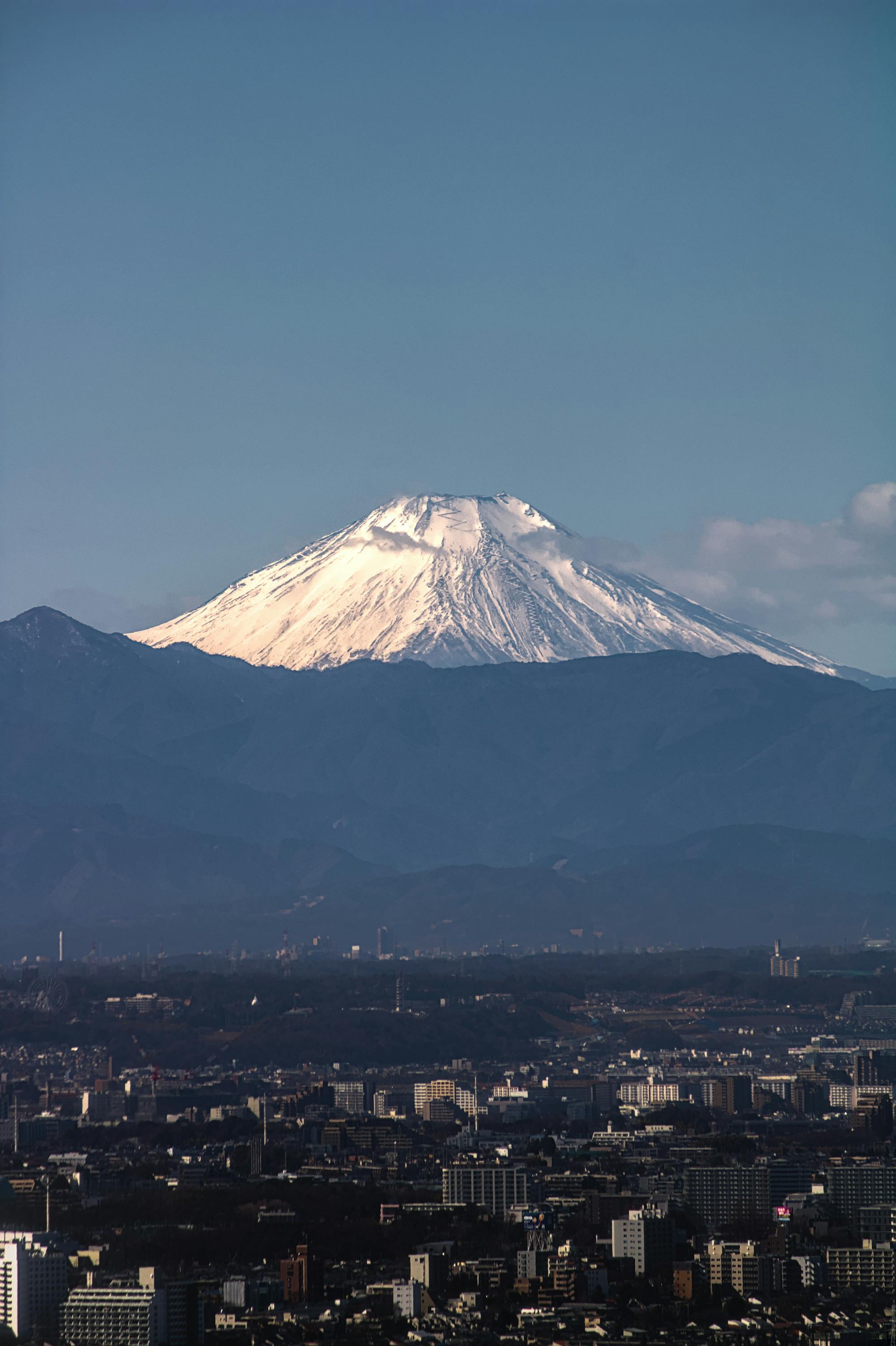
For Mount Fuji views, the clearest conditions are typically in winter (December–February), when days are dry and sunny, with crisp air on clear mornings, and the snow-capped peak appears sharply against blue skies from multiple Tokyo vantage points. Winter is Tokyo's low season, so January and February usually bring lower hotel prices. For budget travelers, this can be the most affordable time to visit, with fewer crowds and fewer tourists at major sights.