The best time to visit Tuscany is April–June or September–October — when the landscape is at its most beautiful, the temperatures are ideal for exploring both cities and countryside, and the harvest or spring flowering seasons add an extra layer of sensory richness. Spring and autumn are the connoisseur's choices.
The best time to visit Tuscany is April–June or September–October — when the landscape is at its most beautiful, the temperatures are ideal for exploring both cities and countryside, and the harvest or spring flowering seasons add an extra layer of sensory richness. Spring and autumn are the connoisseur's choices.
Best Time to Visit Tuscany: Spring, April to June
Spring is often the best time to visit and a particularly rewarding time to visit Tuscany — the landscape is at its most vivid green, wildflowers fill the roadsides and meadows, the vines are just coming into leaf, and temperatures bring mild and pleasant weather for both sightseeing in Florence and walking the countryside. April brings the famous wisteria season in Florentine gardens (the Bardini Garden's wisteria tunnel is one of spring Italy's great sights) and Easter celebrations including Scoppio del Carro (the Explosion of the Cart) in Florence on Easter Sunday. Easter weekend is busier, so book ahead. May is generally considered the single best month — reliably warm (18–25°C), part of the shoulder season, and with fewer crowds than summer while the Val d'Orcia landscape is at its most lush. June heats up and visitor numbers rise sharply; the last week of June and first of July marks the transition to high summer, though a light jacket is still useful for cooler evenings. Booking for spring travel should be made 2–3 months ahead for quality properties.
Summer: July and August
Summer is the most demanding season for Tuscany travel, with July and August marking both peak season and high season. Florence in July and August is extremely hot, and temperatures hit 35°C+; the summer heat, crowds, and prices can feel overwhelming, so avoid the most intense heat at midday. That said, the cultural calendar is rich: the Estate Fiesolana festival brings outdoor concerts, theatre, and live music to the Roman theatre at Fiesole above Florence; the Palio di Siena (July 2 and August 16) is one of Italy's most visceral spectacles.
The Tuscan coast and the islands of Elba and Giglio offer relief in August, the hottest month, and this stretch especially suits sun lovers — Tuscany's beaches are at their most swimmable, and Italian families make the annual migration to the coast. The Chianti is beautiful in summer — long golden evenings, fireflies, outdoor dining — but the most popular agriturismo fill months in advance. If visiting in summer, focus on early morning museum visits, afternoon retreats to shaded gardens or pools, and evening exploration of towns after 6pm when day-trippers leave, since the famous cities are hardest to enjoy in the hottest part of the day.
Autumn: September to November and Pleasant Weather
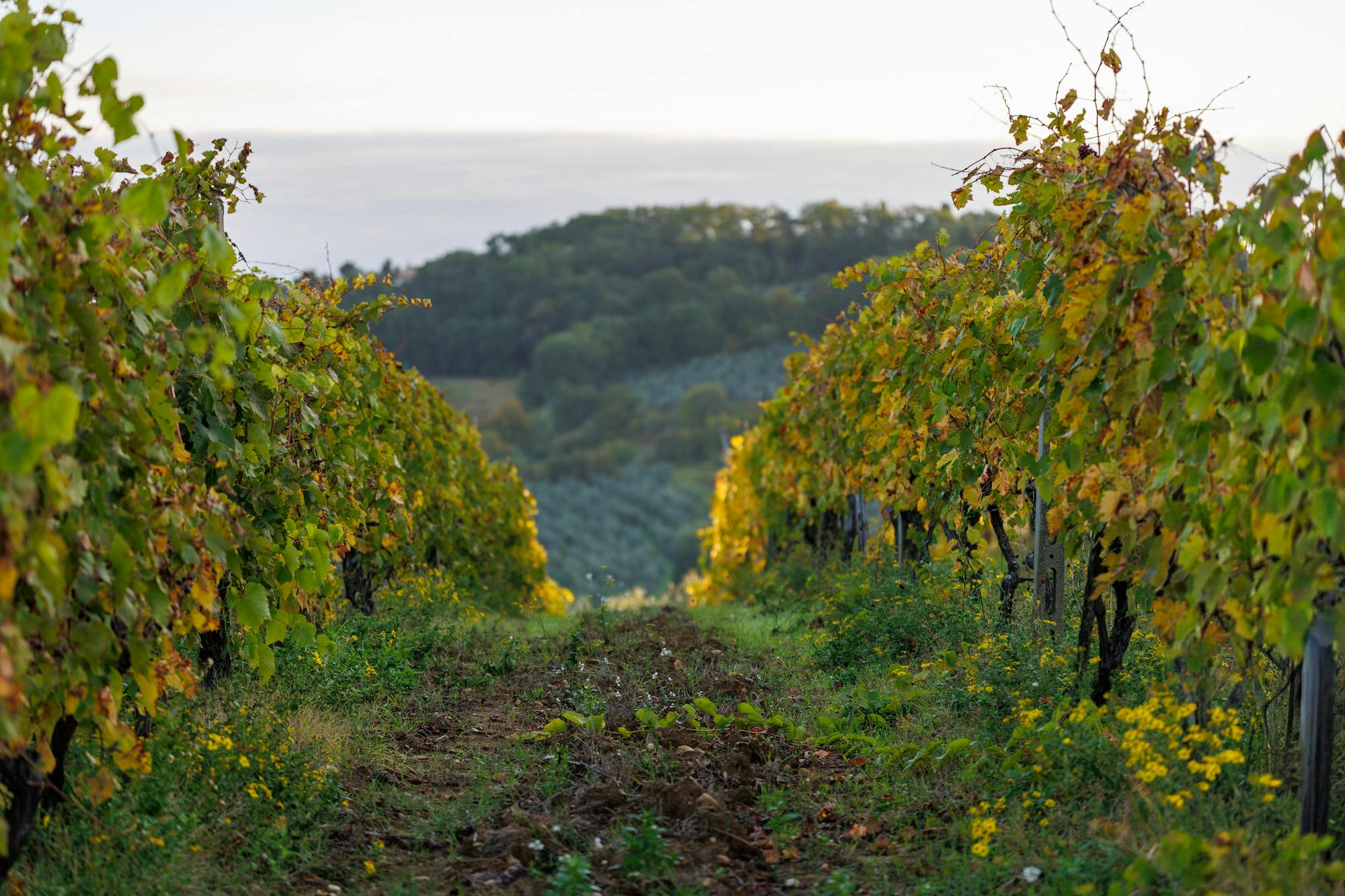
Autumn is a standout time to visit Tuscany for travellers drawn to harvest season and scenery. The harvest season (September–October) is the single most active period in the agricultural and culinary calendar, with September and October the peak months, when many wineries run vineyard tours and wine tasting in the Chianti and Montalcino zones alongside grape harvest (vendemmia) (September–early October), olive harvest (November), and the white truffle season for white truffles in San Miniato (October–November, with a dedicated Truffle Fair). The landscape turns gold and red into lush landscapes with vibrant colours; the heat softens to a perfect 18–22°C; and after the end of school holidays, there are fewer tourists and fewer crowds after mid-September. The light in October is extraordinary, and in early autumn, September and October bring pleasant weather and ideal weather for long lunches, drives, and hill-town walks. The Enoteca Italiana wine fair in Siena and numerous local festivals and food festivals in the wine towns add festive dimension for an authentic experience. Book quality restaurants and high-demand agriturismo 4–6 weeks ahead in September–October.
Winter: December to March and Christmas Markets
Winter is Tuscany's low season — and, for city tourism, potentially its most rewarding from a crowd and price perspective, especially in the off season. Florence in January and February has fewer crowds at the Uffizi and Accademia; major properties drop prices by 30–50%; and the city's restaurants and artisan workshops are operating for locals rather than tourists, making each a relatively quiet month for sightseeing. The hill towns in winter have a melancholy, atmospheric beauty — morning mist in the Val d'Orcia, frost on the olive groves, fires in the trattorias. The Chianti countryside and most agriturismo close from November to March. Winters are generally mild, especially compared with northern Europe; temperatures in Florence range from 5–12°C with occasional frost, while the countryside sees cooler temperatures, and snow falls in the hill towns (Volterra, San Gimignano) perhaps once or twice per winter, briefly. Christmas in Florence falls in the festive season, when the Mercato di Natale in Piazza Santa Croce serves as a Christmas market, churches hold elaborate presepi (nativity scenes) and religious services throughout December, and the month also includes a national holiday period tied to local observances. The main disadvantage of winter is that shorter days limit outdoor sightseeing and the countryside is dormant.
Key Events and Best Time to Visit
This month by month guide to local events can also help you decide when to visit Tuscany. The Scoppio del Carro (Explosion of the Cart) — Easter Sunday in Florence, Piazza del Duomo: a 15th-century tradition involving fireworks set off from an ornate cart by a mechanical dove launched from the altar of the cathedral, and one of the region’s most distinctive Easter celebrations. The Maggio Musicale Fiorentino (April–June): one of Europe's oldest and most prestigious music festivals, hosted at the Teatro del Maggio in Florence. The Palio di Siena (July 2 and August 16): ten horses and riders representing the city's contrade race bareback around the Piazza del Campo in one of Europe's oldest and most emotionally charged sporting events. The Giostra del Saracino (Saracen Joust) in Arezzo (first Saturday of September and third Saturday of June): a medieval jousting tournament in full historical costume. The Sagra del Cinghiale (Wild Boar Festival) in various Maremma towns (October–November): a celebration of the hunting season with cinghiale-based dishes. The Truffle Fair of San Miniato (three weekends in November): the most prestigious white truffle market in Tuscany, alongside tastings of the finest wines.