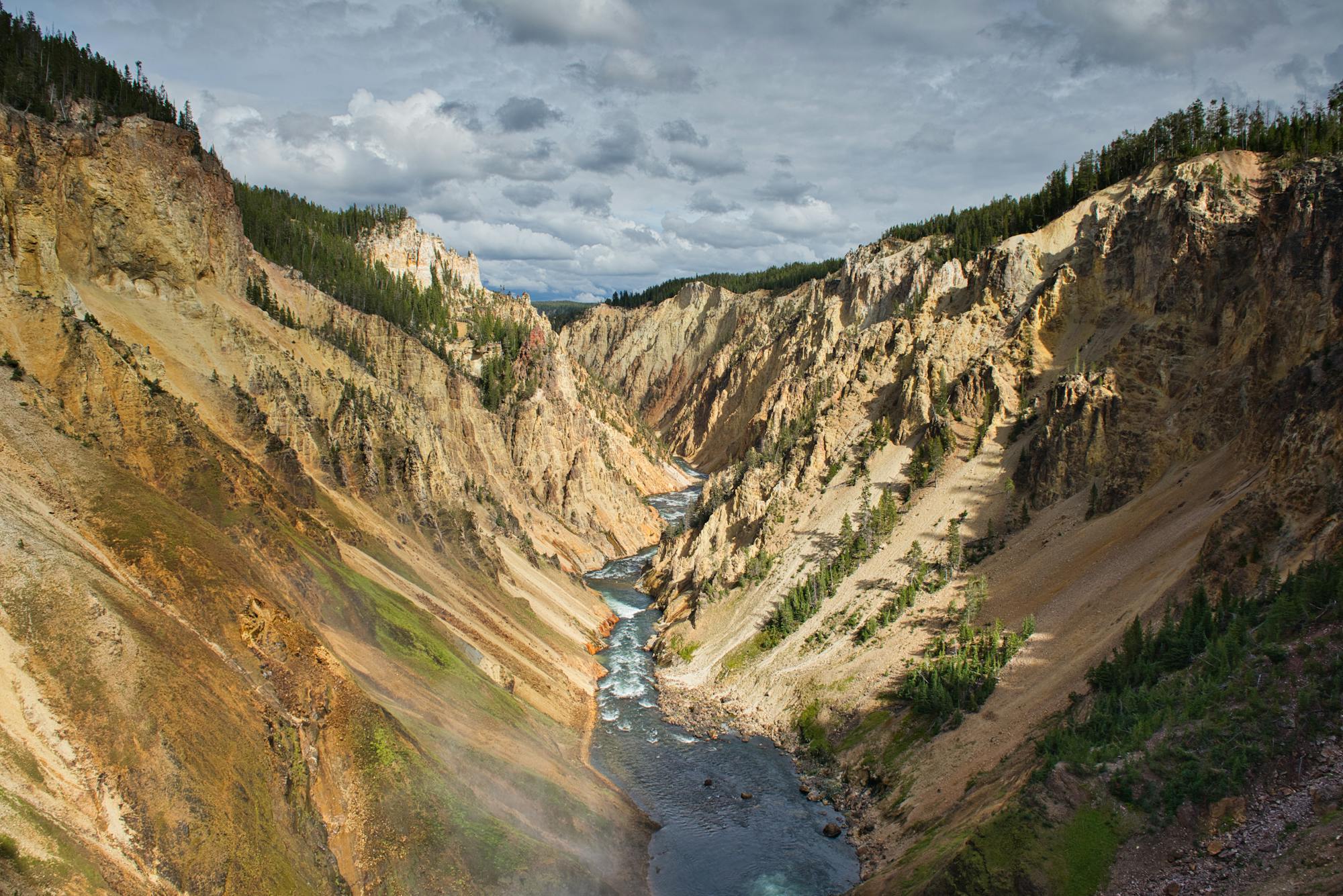
The United States is so vast and climatically diverse that the best time to visit depends entirely on where you're going. The Pacific Northwest is at its most glorious in summer; New England's fall foliage is one of the world's great seasonal spectacles; the American Southwest is best explored in spring and fall; and Florida and Hawaii offer year-round warmth.
The United States is so vast and climatically diverse that the "best time to visit" depends entirely on where you're going. The Pacific Northwest is at its most glorious in summer when rain gives way to long, warm days; New England's fall foliage is one of the world's great seasonal spectacles; the American Southwest is best explored in spring and fall when extreme heat relents; and Florida and Hawaii offer year-round warmth. Understanding the USA's regional climates and peak travel seasons will help you plan a trip that perfectly matches your destination and expectations.
Best Time to Visit USA: Peak Season (June–August)
Summer is the USA's peak travel season, and for good reason. Schools are out, national parks are in full swing, and beach vacations are best from June to August on both the Atlantic and Pacific coasts, with plenty of warm weather and long days for maximum sightseeing. However, summer also means crowds and higher prices at popular destinations. National parks like Yellowstone, Yosemite, and the Grand Canyon see their busiest months from June through August — book accommodation and key permits (Half Dome cables in Yosemite, The Wave in Arizona) months in advance. East Coast cities are busy in summer, particularly Washington D.C., New York, and Boston. Alaska is also one of the best summer destinations for wildlife viewing. The Pacific Northwest (Oregon, Washington state) is at its absolute best in summer — long, sunny days after months of rain make July and August feel almost miraculous.
Shoulder Season (March–May and September–October): Best Time to Visit
Spring and fall are often the best time to visit many parts of the USA, while the summer months from June through August remain popular for beaches, sightseeing, and outdoor activities. Spring (March–May) is one of the best shoulder seasons, and the spring season brings wildflower blooms to the desert Southwest, cherry blossoms to Washington D.C. (late March to early April), and comfortable temperatures for city sightseeing, along with pleasant weather for those who visit parks before peak demand, when tourists are fewer than in peak summer months. Places like Yellowstone, Yosemite, and the Grand Canyon are a busy time from June through August, so spring is also ideal if you want to visit national parks with ideal hiking conditions, as accommodations and hiking trails are often more accessible in May or September, and plan ahead for accommodation and key permits. The Appalachians are gorgeous with spring wildflowers, and Texas bluebonnets (March–April) are a stunning natural spectacle.
Fall (September–October) brings milder temperatures, fewer crowds, and cooler temperatures across many regions. New England is especially famous for its vibrant fall foliage — peak color typically arrives mid-October. California and the west coast are especially appealing in spring and autumn for pleasant weather. The American South is often best explored in fall when summer humidity subsides. Hotel rates and flight prices often drop 15–25% compared to summer peaks.
Low Season and Regional Variations in National Parks
Winter is the low season for many US destinations but the high season for others, and the winter season varies widely by region; winter can also limit access to many national parks because of snow. Florida, Arizona, and Hawaii see their busiest seasons from December through March as Americans from colder states seek winter warmth during the winter months — in Florida, temperatures are around 24°C in January, so prices rise accordingly. For travelers who want to visit the USA for a milder winter break, the best time to visit the Southeast is generally December to April. Ski resorts in Colorado (Aspen, Vail, Breckenridge), Utah (Park City, Alta), and Vermont peak from December through March, while some winter festivals add extra appeal in mountain towns and snowy cities, and winter activities in national parks are generally best from December to February. New Orleans is busiest during Mardi Gras (February/March), a major cultural event in the southern states rather than a national holiday. For cities like New York, Chicago, and San Francisco, winter (excluding the holiday period) often means fewer visitors and lower prices, though weather can be challenging. January and February are the best months for budget travel to most major US cities, while parts of the South also appeal for milder winter escapes.
Weather Overview by Region: East Coast and Beyond
The USA's climate ranges from subarctic (Alaska) to tropical (Hawaii and South Florida), so the winter season varies widely across the country, especially during the peak winter months. Key regional patterns: Northeast (New York, Boston, D.C.) — four distinct seasons, hot humid summers, cold snowy winters, and occasional heavy snowfall. Southeast (Florida, Georgia, Louisiana) — subtropical, hot and humid summers with hot weather and hurricane season June–November. Florida, Arizona, and Hawaii stand out from the colder northern half as winter escapes in the Southern USA, with warm temperatures and generally favorable weather conditions, including easy access to theme parks. Parts of the southern states and the Deep South are also appealing in winter for milder travel conditions and seasonal events. New Orleans is especially lively during winter festivals, with Mardi Gras falling within the broader winter celebration calendar around a major cultural national holiday period, while spring also brings the New Orleans Jazz & Heritage Festival. Midwest (Chicago, Minneapolis) — extreme temperature swings, brutal winters, pleasant summers. Southwest (Arizona, Nevada, New Mexico) — desert climate, extremely hot summers, mild winters, very little rain. Pacific Coast (California, Oregon, Washington) — Mediterranean in California, mild and rainy in the Pacific Northwest, while bustling cities like New York, Chicago, and San Francisco are festive in winter, with New Year's Eve bringing massive parties across the USA before the quieter post-holiday period. Rocky Mountains (Colorado, Montana, Wyoming) — alpine climate with significant snow at elevation, while summer temperatures are more comfortable in lower valleys than in many northern states.
Key Events in Popular National Parks
January: Rose Bowl (Pasadena), Martin Luther King Jr. Day, Sundance Film Festival (Park City, Utah). Travel timing varies widely across this incredible country because weather conditions change so much by region, from the northern states and the northern half seeing colder winters and heavy snowfall to the South and desert areas having warm temperatures, while New Year’s Eve also brings major celebrations nationwide. February/March: Mardi Gras (New Orleans), SXSW (Austin, Texas). Late March–April: Cherry Blossom Festival (Washington D.C.), Spring Break season, and the start of baseball season, with parks like Yellowstone National Park, Yosemite National Park, and Grand Teton National Park also coming onto travelers’ radar. May: Memorial Day weekend (unofficial summer start, very busy). June: Pride Month celebrations in major cities nationwide, including Las Vegas as a standout nightlife destination, with summer crowds building and summer temperatures starting to split sharply between desert heat and cooler northern areas. July 4: Independence Day — fireworks, summer festivals, and celebrations nationwide. Late August–September: Burning Man (Black Rock Desert, Nevada), US Open Tennis (NYC). October: New England’s broader fall foliage and harvest season often begins around mid-September before peak color in mid-October, with fall farms and festivals adding to Halloween festivities. November: Thanksgiving falls on the Fourth Thursday of November and is a major travel period, so book accommodation early; early November can also be a pleasant window for San Francisco and views of the Golden Gate Bridge before holiday travel ramps up. December: Holiday markets and Christmas events in cities nationwide, ski season opens in the Rocky Mountains, and shoulder-season park trips can mean chilly nights. Grand Canyon National Park is a standout, where the Colorado River carved the canyon over millions of years.