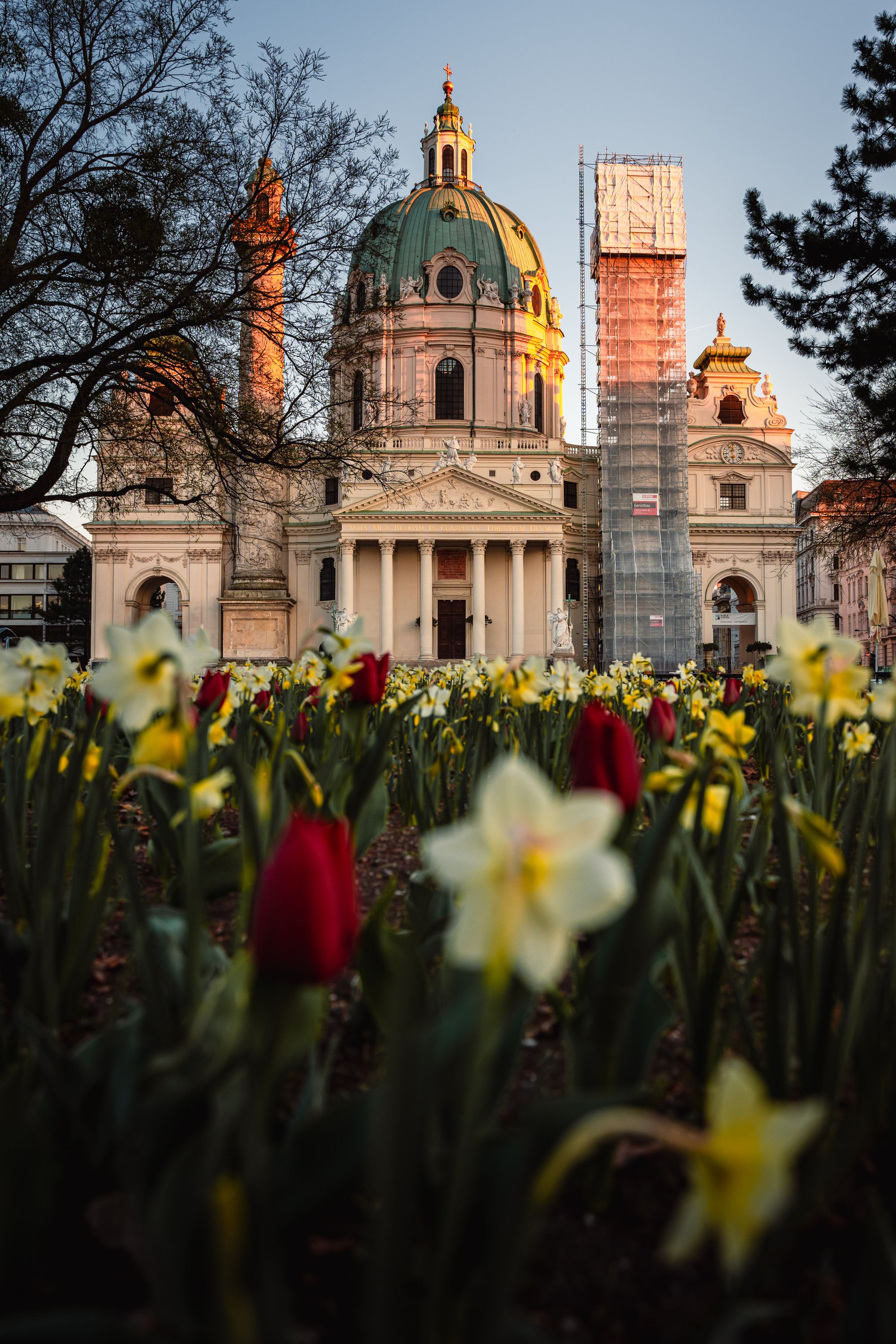
The best time to visit Vienna is April through June for mild temperatures, spring blossoms, and the Vienna Festival season, or September through October for pleasant autumn weather with fewer crowds. Winter is spectacular for Christmas markets and the legendary Vienna Ball season.
Best Time to Visit Vienna
The best time to visit Vienna is April to May and September to October, when this city offers the best balance of good weather, moderate crowds, and major attractions.
In April, spring brings blooming city's parks, milder temperatures, and festivals, making it an ideal time for outdoor sightseeing, walking the city center, and enjoying architecture with fewer crowds. Easter and the seasonal markets are also a highlight, with live music adding to the atmosphere. By late May, more events are happening across the Austrian capital, and art exhibitions take center stage in the spring cultural calendar alongside open-air culture and historic sights.
June, July, and August are the warm summer months, with average temperatures climbing into the low to mid-20s°C and plenty of warm weather for outdoor festivals, long days of sun, and evening life, but crowds build quickly. June is the wettest month with 74mm of rainfall, July averages 24°C, the warmest months often push temperatures higher, and nights rarely fall below 14°C, so prepare for warm air and book a hotel early if you are planning a trip or tour.
September and October are ideal for autumn travel, with comfortable temperatures, good weather, autumn colors, and strong sightseeing conditions around popular attractions, palaces, and nearby vineyards, plus fewer tourists and fewer crowds in a quieter part of the season. For culture, late September and early October bring Vienna's Design Week as late autumn starts to transition into the early festive period, September also hosts Wiesn with beer and music, and early October features the Long Night of the Museums, making fall a great time to visit.
From November through December, then into January and February, winter shifts the pace: Christmas markets start by mid-November, and mid-November to late December is best for a Christmas visit. The main market at Rathausplatz is the most famous, with mulled wine, artisan gifts, and village-like stalls that capture the seasonal taste of the city. December feels magical, but chilly temperatures and occasional snow can make some streets slick and deter some tourists, while January and February are colder, with temperatures often below 0°C, yet they stay quieter and suit visitors who prefer fewer crowds. Winter is also the cheapest season for indoor travel, with museums and other indoor attractions easier to enjoy, while ball season peaks in February and carnival celebrations add extra energy before spring, plus over 400 balls, Vienna Ice World from January to March, and the Wien Modern Festival in November giving the season plenty of reasons to visit.