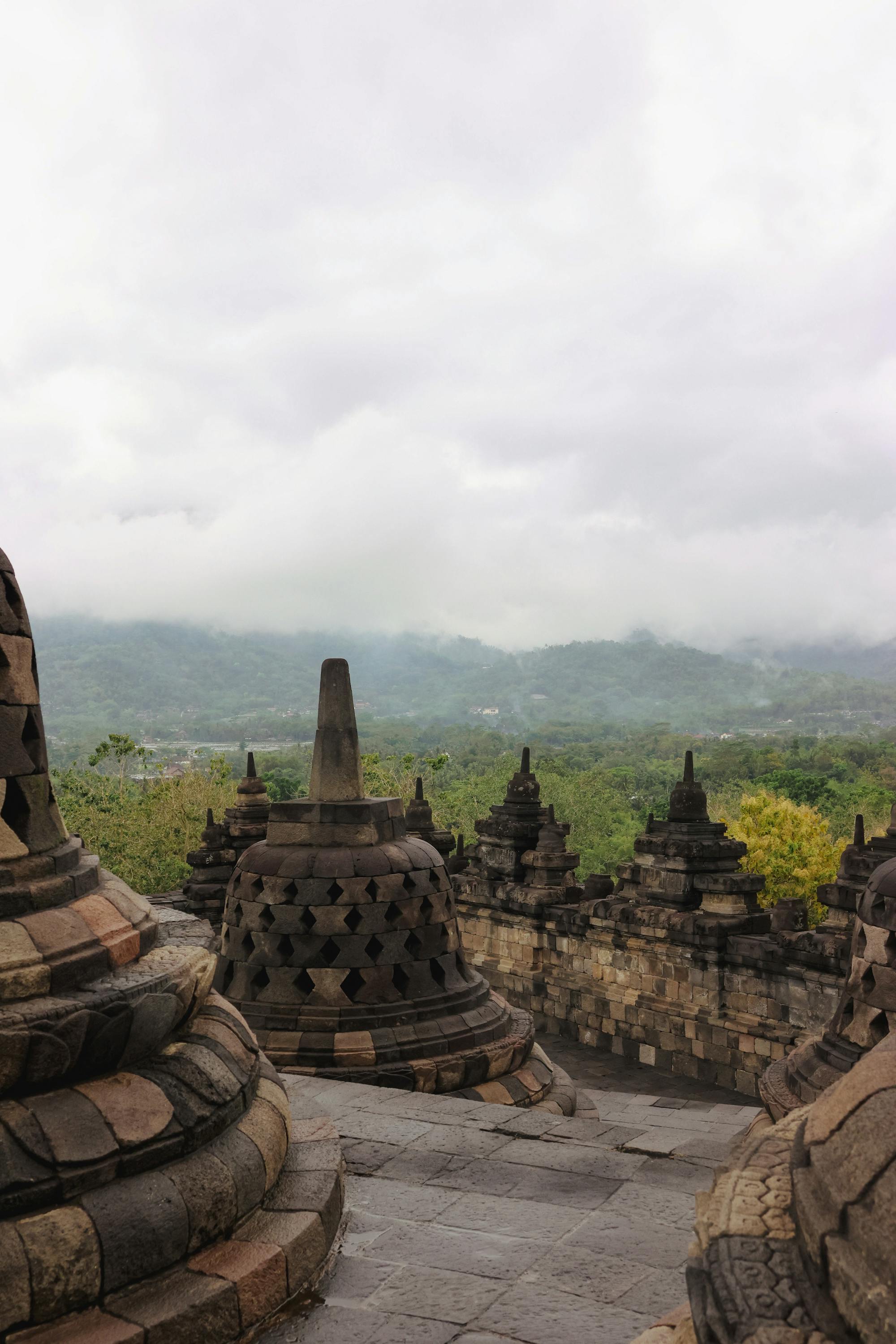
Yogyakarta's best time to visit is the dry season from May to October, when the skies are consistently clear, the volcanic landscape looks most dramatic, and the Borobudur sunrise experience is most reliably spectacular. July and August see significant international tourist arrivals, so booking Borobudur sunrise tickets well in advance is essential during this peak period.
Yogyakarta's best time to visit is the dry season from May to October, when the skies are consistently clear and the volcanic landscape looks most dramatic. The Borobudur sunrise experience is most reliably spectacular during the dry months — clear mornings with good visibility across the Kedu Plain are the norm, and the mist that adds atmosphere to the scene is present without being too thick to obscure the views. This is also the most comfortable time to explore Prambanan and other outdoor temple complexes in the midday heat, as afternoon cloud cover is more common in the dry season without the heavy rain of the wet months. July and August see significant international tourist arrivals; booking Borobudur sunrise tickets well in advance (often months ahead) is essential during this peak period.
The wet season from November to April brings daily rainfall, sometimes heavy, that can make temple visits muddy and outdoor photography more challenging. However, the surrounding landscapes turn brilliantly green, waterfalls near Kaliurang run at full power, and the city's indoor cultural experiences — batik workshops, gamelan performances, wayang kulit puppet shows, and the Kraton museum — are completely unaffected. Prices drop notably during the wet season, and the Borobudur sunrise, while less reliably clear, can be even more atmospheric when clouds and mist create dramatic, painterly light over the ancient monument. The Ramayana Ballet performed against the illuminated backdrop of Prambanan runs year-round and is unmissable regardless of season.
For cultural events, the Javanese calendar features important ceremonies tied to the Islamic and Kejawen (Javanese spiritual) traditions. The Sekaten festival, held in the month before Mawlid (Prophet Muhammad's birthday), is Yogyakarta's most important annual event — a week-long market and gamelan festival in the alun-alun (palace square) that has been held continuously for 500 years. The Labuhan ceremony, in which offerings are carried to the sea, to Mount Merapi, and to other sacred points, follows the sultan's calendar and offers a fascinating glimpse into the continuing sacred relationship between the Kraton and the forces of the Javanese universe.