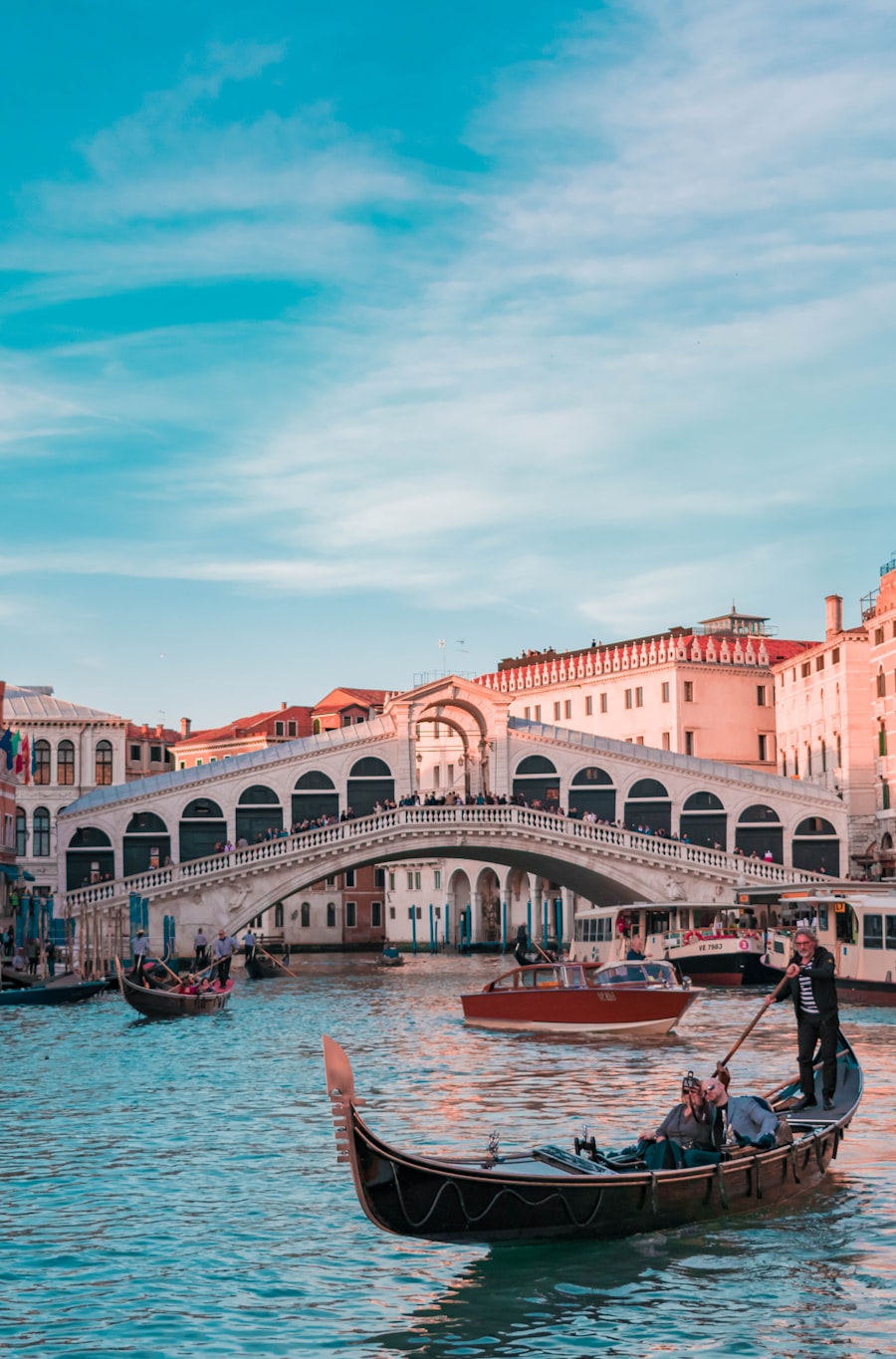
Italy is a traveler's dream — a country where ancient history, world-class cuisine, and stunning landscapes converge at every turn. From the canals of Venice to the ruins of Pompeii, from Tuscany's rolling vineyards to the Amalfi Coast's dramatic cliffs, Italy rewards every type of traveler. This comprehensive guide covers everything you need to plan an unforgettable Italian journey.
- Suggested duration: 10–14 days
- Best time to visit: April–June and September–October
- Budget: $$$
Top Destinations in Italy
Rome — The Eternal City layers 2,800 years of history. The Colosseum, Vatican Museums, and Pantheon are essential, but Rome's magic lies in wandering Trastevere's cobblestone alleys, tossing a coin in the Trevi Fountain at dawn, and eating supplì (fried rice balls) from a street vendor. Book Vatican tickets months ahead — skip-the-line access is worth every euro.
Florence & Tuscany — Renaissance art at the Uffizi, Brunelleschi's dome, and the best bistecca in the world. Beyond Florence, drive through the Val d'Orcia's cypress-lined roads, visit San Gimignano's medieval towers, and taste Brunello di Montalcino at the source.
Amalfi Coast — Positano's pastel cascade, Ravello's clifftop gardens, and the Path of the Gods hiking trail. Visit in May or October to avoid summer crowds and tour buses on the narrow coastal road.
Venice — Gondola rides, St. Mark's Basilica, and getting gloriously lost in the labyrinthine canals. Stay in Dorsoduro or Cannaregio for a more authentic experience away from Piazza San Marco's crowds.
Cinque Terre — Five colorful fishing villages clinging to the Ligurian coast, connected by hiking trails and a local train. Manarola and Vernazza are the most photogenic. Go in shoulder season — summer is crushingly crowded.
Sicily — Ancient Greek temples, active volcanoes, and arguably Italy's best food. Palermo's street food scene, the Valley of the Temples in Agrigento, and Mt. Etna's lunar landscape are all worth the trip south.
Italian Food — A Region-by-Region Guide
Italian cuisine is hyper-regional. What you eat in Naples is entirely different from Bologna or Sicily:
- Rome: Cacio e pepe, carbonara (never with cream), supplì, artichokes alla giudia
- Naples: The birthplace of pizza — try Da Michele or Sorbillo. Also: sfogliatella pastries and ragù napoletano
- Bologna (Emilia-Romagna): Tagliatelle al ragù (not "spaghetti bolognese"), tortellini in brodo, Parmigiano-Reggiano, prosciutto di Parma
- Florence: Bistecca alla fiorentina (massive T-bone), lampredotto (tripe sandwich), ribollita soup
- Sicily: Arancini, pasta alla Norma, cannoli, granita with brioche for breakfast
Golden rule: eat where Italians eat. If the menu has photos and someone is hawking outside, walk on. The best meals are in trattorias tucked away on side streets.
Getting Around Italy
- High-speed trains (Frecciarossa/Italo) connect Rome–Florence (1.5h), Rome–Naples (1h), Florence–Venice (2h), and Milan–Rome (3h). Book 2–3 months ahead on Trenitalia or Italo for fares from €19.
- Regional trains serve smaller towns and coastal routes (Cinque Terre, Amalfi). They're slow but scenic and cheap.
- Rental cars are essential for Tuscany, Puglia, and Sicily but avoid driving in Rome, Florence, or Naples — ZTL restricted zones will earn you hefty fines.
- Ferries connect the mainland to Sicily, Sardinia, Capri, and the Aeolian Islands. Book ahead in summer.
Money, Tipping & Practical Tips
- Currency: Euro (€). Cards widely accepted but small businesses and rural areas may be cash-only.
- Tipping: Not expected, but rounding up is polite. Some restaurants charge a coperto (cover charge, €1–3/person) — this is normal, not a scam.
- Dress codes: Churches require covered shoulders and knees. Carry a scarf for impromptu visits.
- Meal times: Lunch 12:30–14:30, dinner 19:30–21:00 (later in the south). Many restaurants close between services.
- Scams to avoid: "Friendship bracelet" vendors near tourist sites, overpriced restaurants in piazzas, unofficial taxi drivers at train stations.
Sample 14-Day Italy Itinerary
Days 1–3: Rome — Colosseum, Vatican, Trastevere, Pantheon. Day trip to Tivoli (Villa d'Este).
Day 4: Transfer to Amalfi Coast — High-speed train to Naples, then ferry to Positano.
Days 5–6: Amalfi Coast — Path of the Gods hike, Ravello gardens, boat to Capri.
Days 7–9: Florence & Tuscany — Uffizi, Duomo, Ponte Vecchio. Day trip to Siena and San Gimignano.
Days 10–11: Cinque Terre — Train from Florence. Hike between villages, swim, eat pesto.
Days 12–14: Venice — St. Mark's, Rialto, Murano glass-blowing. Get lost on purpose.