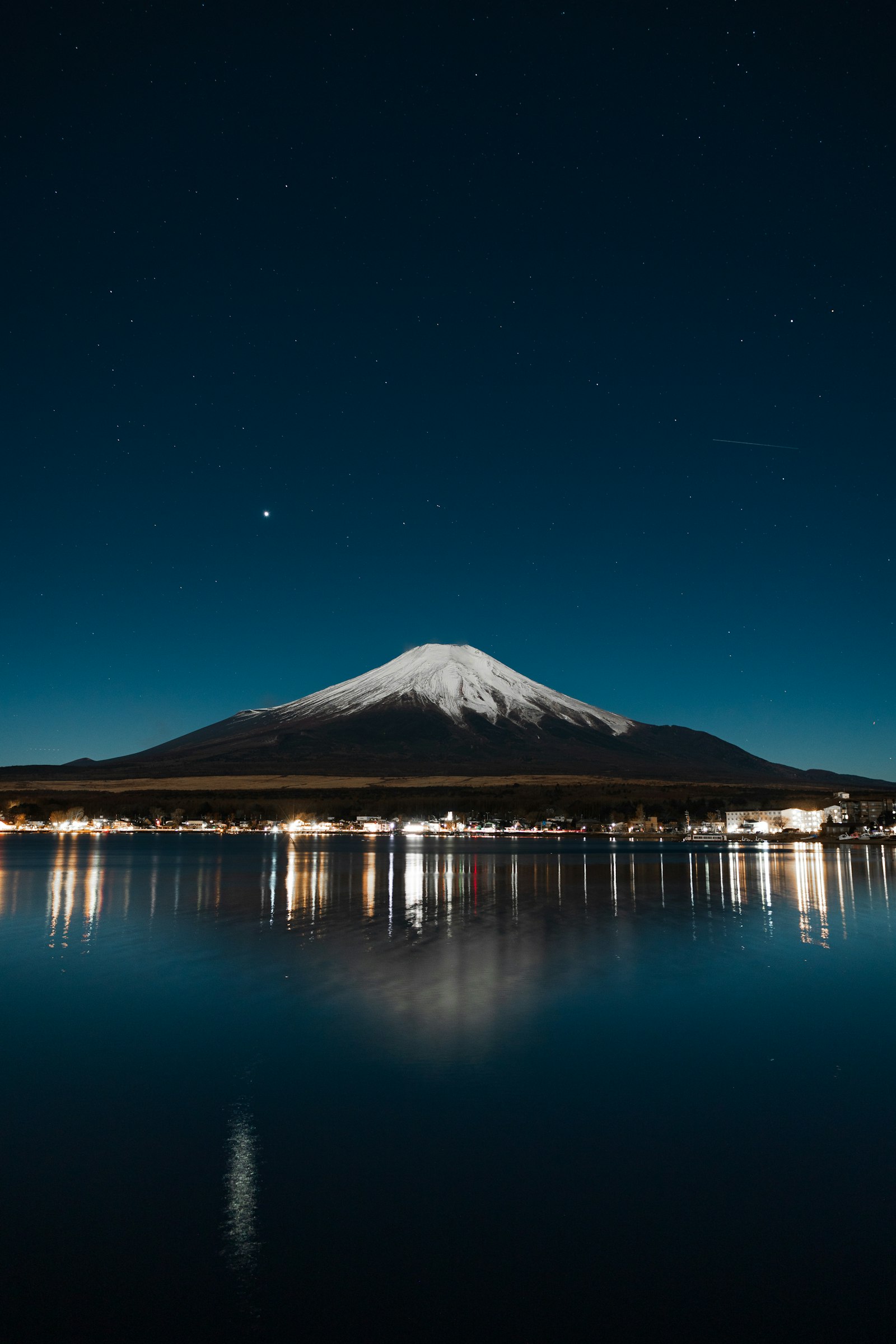
A Japan vacation is unlike any other trip you'll take. The country is exceptional value, extraordinarily safe, and endlessly surprising — but first-time visitors often don't know where to start. Should you book a Japan vacation package with a tour operator, plan independently, or find something in between? This guide covers the main types of Japan trip packages available, what each type suits, and everything a Japan trip planner needs to know to put together the perfect itinerary.
Types of Japan Vacation Packages
Japan vacation packages fall into four main categories. Understanding which type suits you is the first step to planning a trip you'll love:
1. Escorted Group Japan Tour Packages
A guided group tour package with a fixed itinerary, shared transport, accommodation pre-booked, and a tour guide throughout; escorted group packages often include guided city tours as part of the fixed itinerary. Best for first-time visitors who prefer not to navigate independently, older travelers, and those who want the security of having everything arranged.
Typical itinerary: Tokyo → Hakone → Kyoto → Nara → Osaka (10–14 days, 10–20 people), following the Golden Route and designed to cover major iconic landmarks at each stop. Nara is especially known for many temples and shrines.
Price range: $3,500–$8,000 per person (land only, excluding flights) Pros: Stress-free logistics, expert guide, pre-arranged restaurants and entries Cons: Fixed schedule, less flexibility, may move too quickly through cities These escorted options are among the best japan vacation packages for travelers who want everything arranged. Best operators: Trafalgar, Globus, Insight Vacations, Intrepid Travel
2. Private Custom Tours
A premium travel package tailored to your interests, travel style, and pace — often as one of the most flexible private tours, with a private guide, private transport, and accommodation hand-picked to match your preferences. This format works especially well for travelers who want deeper cultural experiences rather than a standard group schedule. The best option for couples, families, honeymoons, and anyone who wants a Japan vacation that couldn't have belonged to anyone else.
Typical features: Personal Guide for each city, ryokan and boutique hotel mix, access to experiences not available on group tours (private ozashiki dinner, early-morning temple access, private cooking classes). Some operators also offer exclusive access to select experiences.
Price range: $5,000–$20,000+ per person (land only) Pros: Completely tailored, highest quality experiences, flexible pacing Cons: Higher cost, requires more planning lead time Best for: Honeymoons, milestone birthdays, multi-generational families, food-focused trips
3. Self-Guided Packages (Fly-Drive or Rail & Stay)
Accommodation and transport are pre-booked, but independent train travel defines this package type, so you move at your own pace with no guide. Common formats include a Japan Rail Pass + hotel package, or rail-based Japan travel packages with point-to-point itineraries and hotels at each stop.
Typical itinerary: Flights + JR Pass + 2 nights each in Tokyo, Kyoto, and Osaka, with intercity travel typically done by Shinkansen train, pre-booked Price range: $2,500–$6,000 per person Pros: Independence, flexibility, lower cost than guided tours Cons: Requires comfort navigating Japan independently (manageable with a good guide)
This style works well for travelers who want to visit Japan with flexibility.
4. Specialist & Theme Tours
Japan vacation packages organized around a specific interest — food, sake, anime, hiking, photography, wellness, or cultural immersion — are often built around immersive japan experiences. Japan is one of the world's richest destinations for themed travel, with a vibrant culture and remarkable natural beauty:
Food tours: Multi-city culinary tours covering ramen in Fukuoka, kaiseki in Kyoto, sushi in Tokyo, wagyu in Kobe, and izakaya in Osaka. Often include market visits, sake tastings, and cooking classes.
Ryokan & onsen tours: A circuit of Japan's finest traditional inns — Hakone, Kinosaki Onsen, Beppu, and Yufuin — focused on the art of Japanese hospitality and onsen bathing, with hot springs as the plain-English equivalent. In the Land of the rising sun, these stays also slow the pace between busier city stops.
Hiking tours: The Kumano Kodo pilgrimage route (UNESCO World Heritage), the Nakasendo trail, or the 88-temple Shikoku circuit. The Japanese Alps are another strong option for travelers who want mountain scenery and outdoor-focused itineraries. Guided or self-guided options exist for all fitness levels.
Cherry blossom tours: Timed departures tracking the sakura front north from Kyushu in late March to Hokkaido in early May — staying in the best blossom destinations at peak bloom for maximum scenic beauty, beautiful gardens, and breathtaking scenery.
Anime & pop culture tours: Tokyo's Akihabara, Ghibli Museum, DisneySea, Universal Studios Japan, and Osaka's Den Den Town, with deep dives into Japan's animation, gaming, and manga culture, in contrast to traditional japanese culture.
Japan Vacation Planning: Key Decisions
When to Go
The best time for a trip to Japan is late March to early May (cherry blossom season) or October to mid-November (autumn foliage). Both peak seasons require booking 3–6 months ahead. June and January–February offer significant cost savings with fewer crowds. Seasonal highlights are also a major source of travel inspiration.
How Long
Most japan tour packages run 10–14 days. Ten days is the practical minimum for a satisfying first trip; 14 days allows a more relaxed pace and gives classic japan tours enough time to cover multiple cities. If your budget allows only 7 days, focus exclusively on Tokyo and Kyoto rather than rushing through more cities.
The Japan Rail Pass
The Japan Rail Pass must be purchased before arriving in Japan at authorized overseas retailers. A 14-day pass (~¥70,000 / ~$467) covers all JR Shinkansen, the country's famous bullet trains, and trains between cities. Essential for any multi-city vacation package. Note: the pass is not valid on the Nozomi and Mizuho Shinkansen services (the fastest trains) — use the slightly slower Hikari instead.
Accommodation Types
Ryokan: Traditional Japanese inn — tatami rooms, futon beds, yukata robes, in-house onsen, multi-course kaiseki dinner, and a close connection to Japanese tradition. The single most memorable accommodation experience in Japan. Prices range from ¥15,000 to ¥100,000+ per person per night including dinner and breakfast.
Business hotels: Japan's most common mid-range accommodation type — compact, immaculately clean, with excellent beds and strong showers. Toyoko Inn, Dormy Inn, and APA Hotel are reliable chains at ¥6,000–¥12,000/night.
Capsule hotels: A uniquely Japanese budget option — individual sleeping pods in shared sleeping areas. Modern capsule hotels are surprisingly comfortable. Best in Tokyo and Osaka for budget-conscious solo travelers.
Luxury hotels: Japan has some of the world's finest luxury hotels — The Peninsula Tokyo, Aman Kyoto, Hoshinoya, and Park Hyatt Tokyo rank among Asia's best. Prices from $400–$1,500+/night, often anchoring the best trip for travelers who prioritize comfort.
Japan Trip Planner: Sample Packages by Budget
Budget Japan Vacation (~$2,500–4,000 per person, 10 days)
Accommodation: Mix of hostels and budget business hotels
Transport: 7-day JR Pass + IC card
Food: Convenience stores, ramen shops, standing sushi bars, izakayas
Activities: Free temples and shrines, Ueno Park museums, free observation decks, plus low-cost sights like Tokyo Skytree or Tokyo Tower
Itinerary: Tokyo (3 nights, also a strong fit for travelers interested in Japanese history), Kyoto (3 nights), Osaka (2 nights), Hiroshima day trip with Hiroshima Peace Memorial Museum for travelers prioritizing history
Mid-Range Japan Vacation (~$5,000–8,000 per person, 12 days)
Accommodation: 3-star business hotels + 1–2 nights ryokan in Hakone
Transport: 14-day JR Pass
Food: Mix of mid-range restaurants, 1–2 omakase sushi meals, daily izakaya
Activities: teamLab Borderless, tea ceremony, Meiji Shrine, Miyajima Island
Itinerary: Tokyo (4 nights, including the Imperial Palace), Hakone ryokan (1 night), Kyoto (4 nights, with Arashiyama Bamboo Forest), Osaka (2 nights, including Osaka Castle), Hiroshima
Luxury Japan Vacation (~$12,000–25,000+ per person, 14 days)
Accommodation: 5-star hotels in Tokyo and Osaka, luxury ryokan in Hakone and Kyoto
Transport: 14-day JR Pass (Green Car / first class) + private transfers
Food: Omakase sushi dinners, Michelin kaiseki, sake masterclasses
Activities: Private guide throughout, ozashiki dinner in Gion, private tea ceremony
Itinerary: One of the best japan vacation packages for travelers seeking high-end service and cultural depth: Tokyo (4 nights), Hakone (2 nights, with a scenic Mount Fuji excursion), Kyoto (4 nights, with time for Shinto shrines and classical Buddhist temples, plus an optional detour to Nara for Todaiji Temple), Osaka (2 nights), Hiroshima + Miyajima (2 nights, including the sacred island experience)
Kyoto was japan's capital for over a millennium, which helps explain its unmatched concentration of heritage sites and traditional arts.
Luxury versions may also extend to Kanazawa for refined traditional scenery, including Kanazawa Castle as a major historic landmark, or continue to Shirakawa-go for rural landscapes and traditional wooden houses.
Japan Vacation FAQs
**Do I need to speak Japanese?**No. English signage is excellent at stations, airports, and tourist sites. Google Translate handles restaurants and smaller shops. A handful of Japanese phrases (arigatou gozaimasu, sumimasen, hitotsu onegaishimasu) are appreciated but not required, and learning a few words can help you connect more deeply with Japanese culture.
**Is Japan safe?**Japan, an island nation, is consistently one of the world's safest travel destinations — violent crime is extremely rare, scams targeting tourists are minimal, and the lost-and-found system is legendary in its reliability. Solo travel — including solo female travel — is broadly considered very safe.
**What's the best way to book a Japan vacation?**For a custom or guided tour, use a specialist Japan travel agency that sells a curated travel package (they have access to accommodation and experiences not bookable independently, and some packages can also bundle flights within Japan or connections to nearby countries when relevant to the itinerary). For self-guided travel: book flights and JR Pass first, then accommodation via Booking.com, Hotels.com, or direct with ryokan via their websites. Before departure, check up to date information.