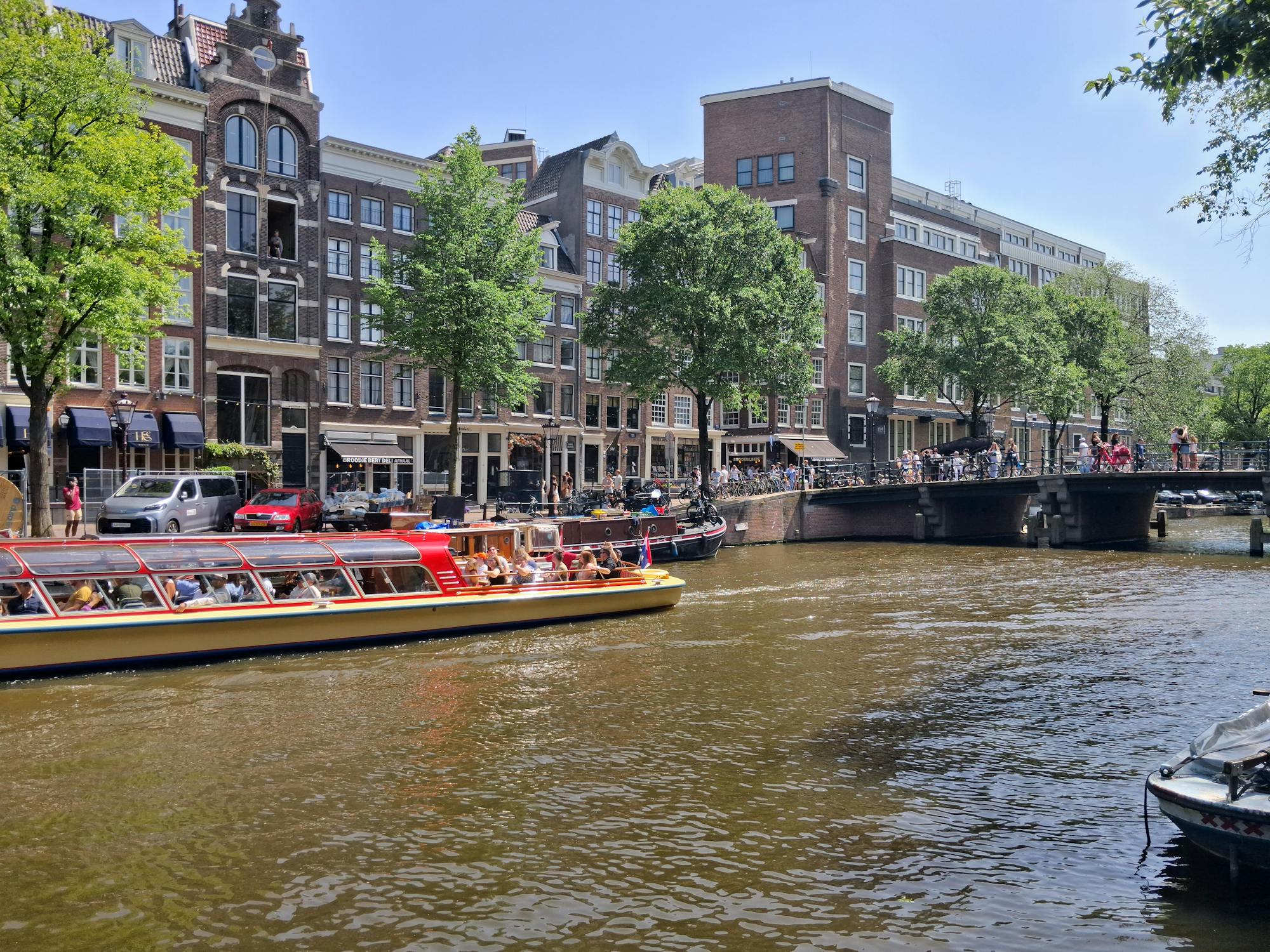
Amsterdam is a city that rewards curiosity at every turn. Its UNESCO-listed canal ring, narrow gabled townhouses, and world-class museums make it one of Europe's most compelling destinations — compact enough to explore on foot or by bicycle, yet rich enough to keep you discovering new corners for days.
Things to Do in Amsterdam
Amsterdam offers no shortage of memorable things to do: you can visit iconic museums and landmarks like the Rijksmuseum, Van Gogh Museum, Anne Frank House, and Dam Square, wander character-filled neighborhoods such as Jordaan and De Pijp, take a canal cruise or cycle through the city, and make time for Dutch food, markets, and nightlife. The Dutch capital rewards curiosity at every turn, with its UNESCO-listed canal ring, narrow gabled townhouses, and compact layout making it easy to explore on foot or by bicycle while still offering enough variety for several full days.
For travelers who want more than a generic checklist — whether your trip centers on art, history, local culture, outdoor time, or authentic places to eat and drink — Amsterdam delivers a rare blend of beauty, depth, and laid-back Dutch charm. This guide brings together the city's standout museums and landmarks, the best neighborhoods to explore, outdoor experiences and parks, food and nightlife highlights, and practical tips for getting around, so you can quickly shape an Amsterdam itinerary that fits your interests and make the most of your time there.
Iconic Landmarks and Museums: Anne Frank House and Van Gogh Museum
No visit to Amsterdam is complete without the Rijksmuseum, home to Rembrandt's "The Night Watch" and Vermeer's "The Milkmaid" — the museum's grand galleries offer an immersive journey through the Dutch Golden Age, a strong crash course in Dutch art and Dutch history, with Dutch masterpieces including Rembrandt's Night Watch, and guided tours can deepen your understanding of the collection; it is often less crowded in the afternoon. The Cuypers Library is also worth a stop, especially for visitors interested in art history. A short walk away, the Van Gogh Museum is a leading museum in Amsterdam that houses the world's largest collection of works by Vincent van Gogh, displayed in chronological order to trace Van Gogh's work and life story; go on Wednesday or Thursday mornings for a quieter visit. The Anne Frank House on Prinsengracht is one of the most emotionally powerful sites in all of Europe, dedicated to her life and legacy and preserving the secret annex where Anne Frank's family hid during World War II; tied to her famous diary and the wider history of the world war, it attracts millions of visitors annually, so book tickets weeks in advance. Nearby, the Jewish Quarter helps tell Amsterdam's story. Also nearby, the Red Light District is a historic central area known for legal prostitution and nightlife, best understood as part of the city's cultural history. The Stedelijk Museum rounds out the Museumplein triumvirate with outstanding modern art and contemporary design, and an audio guide can make the visit easier to follow at your own pace. Nearby, Moco Museum showcases iconic modern and contemporary art, including Banksy. For something different, the NEMO Science Museum perched above the harbour is excellent for hands-on exploration. FOAM Photography Museum focuses on diverse photography styles. The National Maritime Museum showcases the world's largest maritime collection. The Heineken Experience is an interactive museum in a former brewery. Begijnhof is one of Amsterdam's oldest surviving spaces, a hidden courtyard dating back to the Middle Ages, while Our Lord in the Attic Museum reflects the city's 17th century religious and architectural history as a clandestine Catholic church inside a canal house.
Neighborhoods Worth Exploring
The Jordaan is Amsterdam's most beloved neighbourhood — a maze of narrow streets, independent boutiques, brown cafés (bruine kroegen), and Saturday's Noordermarkt flea market. It feels like a village within a city, with a strong sense of local life shaped by Amsterdam residents and Amsterdam locals, and is perfect for an unhurried afternoon wander. For a neighbourhood specialty, stop for apple pie at Winkel 43. A walking tour or bike tour works especially well here if you want to explore Amsterdam beyond typical tour groups. For an authentic stop, Café Chris is a historic brown café that adds extra historic charm. Nearby, the Nine Streets in the canal belt are known for independent boutiques, cafés, and small art galleries. The area is full of historic buildings and local character, even if it is not defined by major tourist attractions.
The De Pijp district has a young, multicultural energy centred around the daily Albert Cuyp Market, which has operated since 1905 and is open Monday to Saturday from 9:30 AM to 5 PM, selling everything from fresh stroopwafels — best enjoyed fresh and warm — to vintage clothing. It is better for local shopping and atmosphere than headline sights. Bikes from neighborhood shops here often cost less than tourist rentals. In the city center, the Bloemenmarkt is the world's only floating flower market.
The Amsterdam-Noord neighbourhood, accessible via the free F4 ferry behind Centraal Station in about 14 minutes, has transformed into Amsterdam's creative hub — NDSM-Werf is a former shipyard turned creative hub, while the Eye Film Museum sits right on the waterfront. STRAAT keeps the street-art focus and features over 160 artworks by 150 artists. Nearby, A'DAM Lookout has Europe's highest swing, 100 meters above the city.
Outdoor Activities and Parks
Vondelpark, Amsterdam's most famous park, stretches for 47 hectares and buzzes with picnickers, cyclists, and street performers from spring through autumn, especially on a sunny day. Rent a bike from any number of shops near Centraal Station and use the city's 800km of dedicated bike lanes to move around the way Amsterdam residents do. For a relaxed bike ride, head to Amsterdam Forest, about 20 minutes from the city center. The Hortus Botanicus botanical garden, founded in 1638, is one of the oldest in the world and a peaceful escape from the crowds. Amsterdam's Open Garden Days in June also open more than 30 private gardens. A canal tour is a must, whether you choose one of the many canal tours, rent a pedal boat, or book a canal cruise at sunset — these boat options help you explore Amsterdam from the water, and some include an audio guide with background on the canals and landmarks. Amsterdam's picturesque canals in the canal belt, a unesco world heritage site, make it easy to see the city from a completely different angle. For a quirky stop on the water, drop by De Poezenboot, the Catboat, which has been a floating animal sanctuary since 1968. In spring, Keukenhof Gardens are world-famous for tulips and make an easy day trip beyond the city limits; the Tulip Festival showcases over 7 million tulips each spring.
Food, Drink, Coffee Shops, and Nightlife
Traditional Dutch food classics to seek out include bitterballen (crispy fried beef ragout balls, perfect with beer), herring served raw with pickles and onions at a street stall, and poffertjes (fluffy mini pancakes dusted with powdered sugar). Traditional dutch stroopwafels are best enjoyed fresh and warm, and apple pie is another classic treat worth trying in a neighbourhood café. The Foodhallen indoor market in Oud-West is Amsterdam's finest food hall, housing stalls from sushi to Dutch cheese, and sampling good local varieties can be surprisingly affordable compared with the cost of a hotel room. Rijsttafel is a Dutch-Indonesian meal featuring multiple small dishes — some of these food traditions trace back to Amsterdam's Golden Age role in the Dutch Empire. Amsterdam's craft beer scene has exploded — Brouwerij 't IJ, a microbrewery inside a windmill, is a pilgrimage site for beer lovers, and a panorama restaurant can be a good pick if you want drinks with skyline views. Club culture is serious: venues like Shelter, Melkweg, and Paradiso host world-class electronic music and live acts, while coffee shops remain part of the city's alternative scene. Amsterdam Dance Event takes place in late October each year. King’s Day on April 27th is one of the city's biggest annual celebrations.
Practical Tips
The I Amsterdam City Card provides unlimited public transport plus free entry to over 70 museums — excellent value if you're visiting Amsterdam with a museum-heavy itinerary. Amsterdam's tram network is extensive and easy to use; buy an OV-chipkaart or contactless payment works on most vehicles. Trains from Schiphol Airport to the city center take about 20 minutes. Amsterdam Centraal Station is the main hub. Dam Square is a useful navigation point near several central sights. English is spoken virtually everywhere. Book major museum tickets online well in advance, especially on a first visit to the Anne Frank House, and do the same for major tourist attractions where guided tours often sell out too. If you want a nearby day trip, Utrecht is an easy choice for a university town atmosphere. If you're planning a winter trip, the Amsterdam Light Festival runs from late November to early January.