Ankara is Turkey's capital — a planned modern metropolis that replaced Ottoman Istanbul as the seat of government when Mustafa Kemal Atatürk proclaimed the Turkish Republic in 1923. Unlike Istanbul, Ankara is not primarily a tourist city, and that is precisely its appeal for travellers who want to encounter Turkey as Turks actually live it: thriving universities, government ministries, embassies, a sophisticated café and restaurant culture, and the country's finest museums — all in a city largely bypassed by the tourist trail.
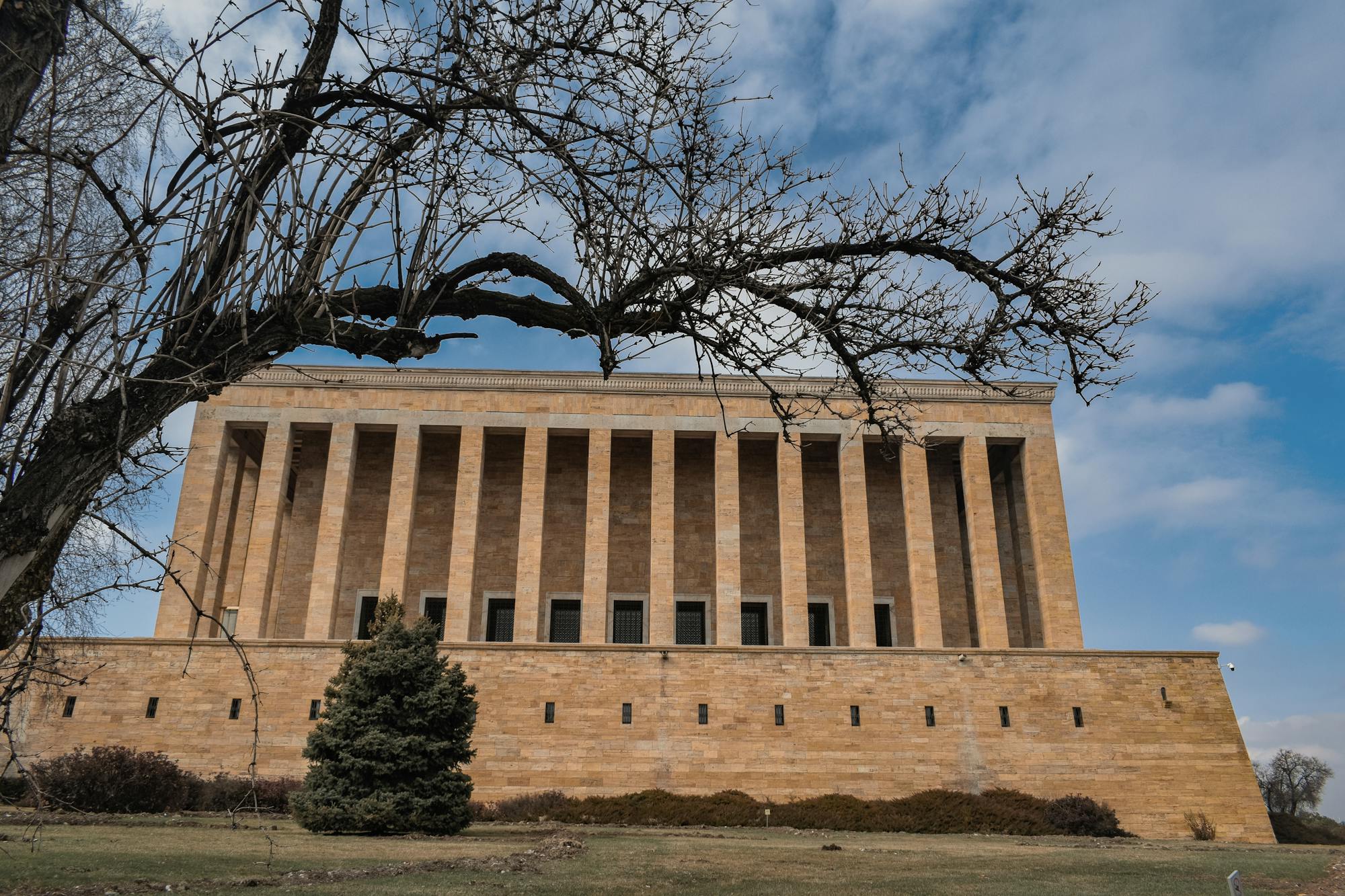
Ankara is Turkey's capital — a planned modern metropolis that replaced Ottoman Istanbul as the seat of government when Mustafa Kemal Atatürk proclaimed the Turkish Republic in 1923. Unlike Istanbul, Ankara is not primarily a tourist city, and that is precisely its appeal for travellers who want to encounter Turkey as Turks actually live it: thriving universities, government ministries, embassies, a sophisticated café and restaurant culture, and the country's finest museums — all in a city largely bypassed by the tourist trail. At its heart lies the Anıtkabir, Atatürk's monumental mausoleum, and the ancient hilltop citadel of Ankara Kalesi, both of which anchor the city's identity between the Ottoman past and the secular republic.
Top Attractions: Things to Do in Ankara
Anıtkabir (Atatürk's Mausoleum) is the most visited and most emotionally significant site in Turkey. This vast ceremonial complex on Anıt Tepe hill contains ataturk's tomb and honors Mustafa Kemal Atatürk, the first president of the Turkish Republic, with the Lion Road lined with Hittite lion statues, peace park around the site, and a museum of extraordinary scope covering Atatürk's life, the War of Independence, turkish history, and the founding of the republic. The changing of the guard is a moving ceremony. The Museum of Anatolian Civilizations in a restored 15th-century Ottoman bedesten near the citadel is one of the world's great archaeological museums, and the museum showcases artefacts from the paleolithic era through the bronze age and later periods, including Hittite pieces linked to king mutallu, making it essential for anyone interested in ancient civilisations and the region's ancient history. The Ankara Kalesi (Citadel), also known as Ankara Castle or ankara citadel, is the ancient heart of the city — a Byzantine and Ottoman hilltop fortress whose walls offer panoramic views over the modern city below, while the surrounding old quarter's winding streets add to Ankara's rich history. Atakule Tower offers the best panoramic views of the entire Ankara basin. It also serves as a landmark observation tower with a shopping mall in the same complex. The Ethnography Museum near Ulus houses an outstanding collection of Turkish folk arts, carpets, and ceramics. CerModern is a contemporary art center in a restored railway workshop.
Local Turkish Culture and Food
Ankara's food scene centres on Kavaklıdere and Çankaya, and as the Turkish capital and a big city, it offers everything from polished dining rooms to casual stops across the city centre and beyond. The Ulus district around the citadel is the place for local dishes and traditional Ankara food: Ankara tava (lamb or chicken casserole), Yaprak Dolma, beypazarı kurusu (crispy fried dough), and the famous Beypazarı carrots from the nearby town. You should also try döner kebab, a popular street food, and lentil soup (mercimek) for a classic taste of Turkish food in the area. The covered Suluhan Han bazaar in Ulus sells traditional crafts, copper goods, and textiles in a restored Ottoman caravanserai. Nearby, Hamamönü is a restored neighborhood of traditional Turkish houses, craft shops, and cafés where you can sample turkish coffee. Ankara's café culture is sophisticated — the streets around Tunalı Hilmi Caddesi in Kavaklıdere are lined with excellent coffee houses, wine bars, and bookshops, and they are also good places to watch everyday life while trying simit or fresh juices. The city's universities give it a young, intellectual energy that is palpable in the bookshops and art galleries of the Kızılay district, the central district of the capital city, where museums and hotels also keep you close to Turkish culture, from exhibits of traditional clothing to a dessert stop for baklava.
Day Trip Excursions to Ankara Castle
Gordion, 80 km west of Ankara, was the ancient capital of the Phrygian kingdom and an ancient city tied to Ankara’s deep past and the Bronze Age background of central Anatolia — the archaeological museum and royal tumuli (burial mounds) are fascinating for history enthusiasts. Beypazarı, a beautifully preserved Ottoman town 90 km west, is famous for its colourful wooden houses, silver jewellery workshops, and the extraordinary local carrots — it's an excellent half-day trip. Altınköy Open Air Museum is another worthwhile stop, an open air museum that showcases traditional village life in a rural setting.
Hacı Bayram Mosque, also known as Haci Bayram Mosque, in Ulus is one of Turkey’s most important religious sites, noted for its Ottoman architecture and its connection to Hacı Bayram Veli; beside it stands the Roman Temple of Augustus, part of the Museum of Anatolian Civilisations area and built in 25 BC. Nearby, the Roman Baths date to the 3rd century AD and add another layer of Ulus history from the Roman period and broader Roman era.
A rewarding day trip is Hattusa, the former capital of the Hittite Empire and a UNESCO World Heritage site, about four hours by car from Ankara, where Yazılıkaya preserves carved reliefs of Hittite kings and gods alongside monumental remains such as the Lion Gate and Sphinx Gate. The Cappadocia region is 3–4 hours south-east by car or bus — the extraordinary volcanic landscape of fairy chimneys and cave churches makes it one of Turkey's unmissable destinations, and Ankara is a perfectly placed base for exploration.
Practical Tips
Ankara is well connected by high speed train (YHT) to Istanbul (4.5 hours), Konya (1.5 hours), and Eskişehir, and tickets can be purchased online. Ankara Esenboga Airport is 30 km from the city centre, and long-distance buses use Ankara Otogari ASTI; the bus ride from Istanbul takes about five hours. The city has an efficient metro system (Ankara Metro) covering the main districts. As a big city, public transport is important for moving between the city centre and outer districts. Most tourist attractions are concentrated in the Ulus (old city) and Çankaya/Kavaklıdere (modern city) districts, connected by metro Line M1. Many popular tourist destinations are in or near the central district of Kızılay and Ulus, which makes it easy to visit Ankara efficiently. Taxis and rideshares (BiTaksi app) are affordable. The best time to visit is April–June and September–October; summers are hot and dry (30–35°C), winters cold and occasionally snowy, and the main tourist season in summer means parks are busier. Ankara also has many parks and green spaces, including Gençlik Park, a 27.5-hectare amusement park area, Kuğulu Park in Kavaklıdere at about 1 hectare, and Atatürk Forest Farm and Zoo, established in 1925. The Museum of Anatolian Civilizations is closed on Mondays. Entry to Anıtkabir is free.