Argentina is one of the world's most geographically and culturally diverse travel destinations — stretching nearly 3,700 kilometres from subtropical jungles in the north to the frozen archipelago of Tierra del Fuego in the south.
Things to Do in Argentina: A Land of Extraordinary Diversity
Things to do in Argentina range from seeing Iguazu Falls and Patagonia’s glaciers to experiencing Buenos Aires through tango, asado, and grand old neighborhoods, tasting Malbec in Mendoza, exploring the Lake District, and discovering the indigenous and colonial heritage of the northwest. Argentina is one of the world’s most geographically and culturally diverse travel destinations — stretching nearly 3,700 kilometres from subtropical jungles in the north to the frozen archipelago of Tierra del Fuego in the south.
It encompasses South America’s highest mountain (Aconcagua), the world’s widest waterfall system (Iguazu), vast Pampas grasslands, Andean wine valleys, ancient Patagonian glaciers, and one of the continent’s most sophisticated capital cities. For travelers planning a high-end, tailor-made journey rather than a generic checklist, this guide brings together the country’s standout regions, day tours, food and wine experiences, and practical travel details such as seasons, currency, transport, electricity, and language. Passionate, proud, and endlessly welcoming, Argentina offers an unusually rich mix of scenery, culture, and adventure, which is exactly why it rewards a well-curated trip.
Top Attractions in Argentina: Iguazu Falls and Perito Moreno Glacier
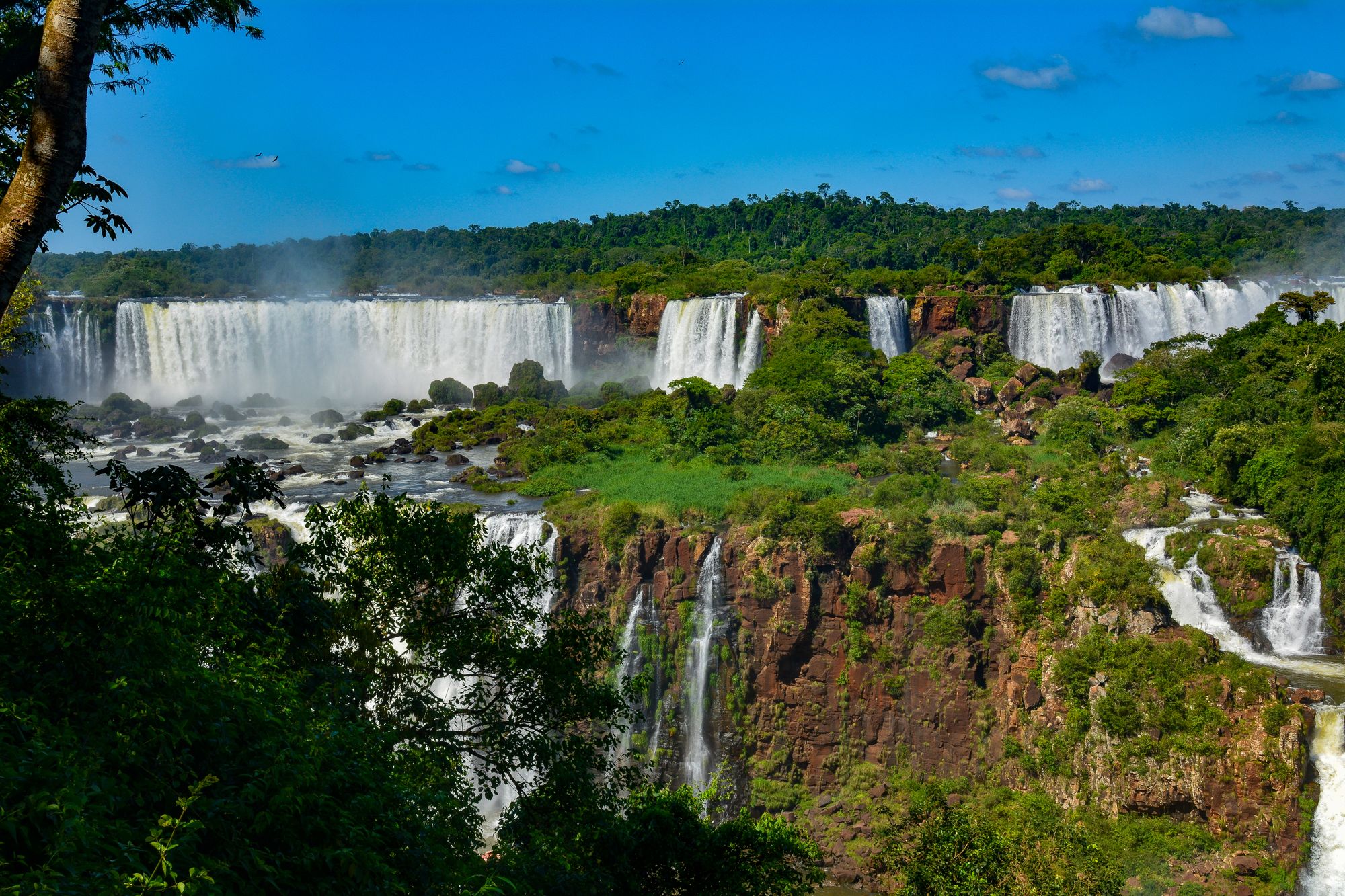
Iguazú Falls, straddling the border between Argentina and Brazil in the northeast, is one of the world's most spectacular natural wonders, 1.5 times taller than Niagara Falls and set within UNESCO-listed national parks on both sides of the border. The falls consist of approximately 275 individual cascades spread across nearly 3 kilometres of the Iguazu River — including the thundering Garganta del Diablo (Devil's Throat), where the river drops 82 metres in a roiling cauldron of mist and spray. The Argentine side (accessible from Puerto Iguazu) offers elevated walkways through the cloud forest that bring you remarkably close to individual falls — you will get soaked. Allow a full day on the Argentine side, and another half-day across the border on the Brazilian side for the panoramic view and breathtaking views. Puerto Iguazú is the small town most visitors use as their base for the falls.
Patagonia, in Argentina Patagonia's deep south, is one of Earth's last great wildernesses — a vast windswept plateau of famous glaciers, turquoise lakes, towering peaks, jagged granite peaks, and ancient beech forests. The centerpiece is Los Glaciares National Park near El Calafate, home to the Perito Moreno Glacier, about 30 kilometers long — one of the few advancing glaciers in the world. Watching 60-metre walls of blue ice calve into the milky lake below is an unforgettable spectacle. Nearby El Chaltén is the trekking capital, gateway to Fitz Roy and Cerro Torre, two of Patagonia's most dramatic mountain formations, with rewarding day hikes to Laguna Los Tres, a 12-13 mile round trip. Ushuaia, known as the southernmost city in the world and near Tierra del Fuego National Park, is also a base for scenic boat trips on the Beagle Channel.
Buenos Aires, in Argentina Buenos Aires, is one of South America's most European-feeling capital cities — a sprawling metropolis of wide boulevards, ornate architecture, world-class museums, and extraordinary restaurants. Plaza de Mayo and Puerto Madero offer a striking contrast between historic civic space and sleek waterfront redevelopment. The birthplace of tango, it offers an incomparable cultural depth. See the colourful houses of La Boca, explore the MALBA museum's Latin American art collection, shop in Palermo Soho's boutiques, and catch a live tango show in San Telmo; it is especially rewarding for city lovers, with incredible places beyond the headline sights.
Unique Experiences in Buenos Aires
Mendoza, beneath the Andes Mountains at the country's western edge, is Argentina's leading wine region; the province produces over 78% of Argentina's wine. The region produces some of the world's finest Malbec grapes, and the wine route through the Valle de Uco and Maipú offers an extraordinary tasting experience among snow-capped mountains. The National Grape Harvest Festival takes place every March. Cycling between wineries is a popular way to spend a day, and a wine tour is another classic option for any wine lover; Luján de Cuyo's top estates include Catena Zapata, Zuccardi, and Clos de los Siete.
The Lake District (Los Lagos) around Bariloche in northern Patagonia is Argentina's Switzerland — a region of crystalline glacier lakes surrounded by forests and volcanic peaks, and ideal for a road trip. San Carlos de Bariloche is the adventure hub offering skiing in winter (July–September) and, in summer, numerous hiking trails around Lake Nahuel Huapi, kayaking, and mountain biking with spectacular views. The Ruta de los Siete Lagos (Seven Lakes Route) is one of the continent's great scenic drives. For a luxe stay, Llao Llao Hotel & Resort is a standout, with an infinity pool overlooking the lake.
Northwest Argentina represents a fascinatingly different side of the country — deeply indigenous, colonial, and geologically extraordinary, with Salta and Jujuy especially known for colorful landscapes and Andean culture. The Quebrada de Humahuaca (a UNESCO World Heritage Site) winds through vivid multicoloured rock formations. The high-altitude salt flats at Salinas Grandes, the colonial architecture of Salta city itself, and the vineyards of Cafayate producing Argentina's finest Torrontés white wines make this region deeply rewarding. If you also plan to hike farther south, Hotel Poincenot is a solid mid-range stay in El Chaltén, while Aylen Aike Hostel is a budget-friendly choice.
Day Tours, Trips and Regional Adventures
From Buenos Aires, Tigre and the Paraná Delta make an easy half-day excursion — a vast labyrinth of river channels, islands, and fishing villages just 30 km from the city, accessible by suburban train and boat, with walking tours as well as river outings offering different ways to explore. Colonia del Sacramento in Uruguay (1.5 hours by ferry across the Río de la Plata) is one of the Río de la Plata region's most charming colonial towns and makes a memorable day trip from Buenos Aires. In Mendoza, a day trip to the Andes — either skiing at Las Leñas or trekking toward Aconcagua base camps, or joining a guided tour for a first trip to the high mountains — provides extraordinary mountain scenery. For a wilder add-on in northeast argentina, the Iberá Wetlands offer a vast ecosystem teeming with wildlife, including caimans and capybaras. On the Patagonian coast, Peninsula Valdés and puerto madryn stand out for marine wildlife excursions where you may spot whales, penguins, and sea lions. Organized day tours can also simplify logistics across a wider Argentina trip, and for more ambitious trekkers, the Huemul circuit is a four-day trek.
Food and Culture
Argentine cuisine centres on asado — the art of grilling meat over wood fire, elevated to a near-religious practice, and Argentina ranks among the world's top cattle producers. A proper asado involves cuts of beef, chorizo, blood sausage (morcilla), and sweetbreads (mollejas), cooked low and slow by a dedicated parrillero (grill master). A classic parrilla restaurant specializes in grilled beef and other meats. Don Julio is a Michelin-starred restaurant in Buenos Aires often cited for this tradition. Steaks By Luis offers a five-course asado dining experience for a more structured take on it. Paired with Malbec, it is one of the great culinary experiences in the world, with delicious food often shared among fellow travelers. Empanadas — stuffed pastries varying by region — are Argentina's most beloved street food. For dessert, dulce de leche appears in everything from alfajores (sandwich cookies) to ice cream to medialunas (croissants).
Tango, born in the working-class conventillos of Buenos Aires and Montevideo in the late 19th century, is Argentina's most significant cultural export. Take a class, attend a milonga (informal dance event), or see a professional dinner show in San Telmo or Palermo for an authentic experience and a direct connection to Argentine culture. If you want a classic grand-hotel stay rather than a boutique hotel, Alvear Palace Hotel is an iconic luxury hotel in Buenos Aires.
Practical Tips
Practical travel tips can make planning smoother:
Currency: Argentina has a complex currency situation — the official peso rate and the "blue dollar" informal exchange rate can differ significantly. Bringing US dollars or euros and exchanging at reputable exchange houses (cuevas) is common practice among travelers.
Best season: Argentina is so large that "best time" varies enormously by region. Buenos Aires is best in spring (Sep–Nov) and autumn (Mar–May). Patagonia is best Dec–Feb. Mendoza wine harvest is March–April. Iguazu is year-round, and many nature lovers focus on Patagonia, Iguazú, and the Lake District when choosing where to go. Gran Meliá Iguazú is the only hotel inside Iguazú National Park for travelers who want to stay as close to the falls as possible.
Distances: Argentina is vast. In this beautiful country, budget airlines (Aerolíneas Argentinas, JetSMART) connect major cities affordably, and flying is often preferable to long bus rides for most itineraries because route planning matters.
Electricity: Argentina uses 220V with Type I plugs (three flat pins in a fan shape). Bring an adapter.
Language: Argentine Spanish has a distinctive accent and vocabulary. "Vos" replaces "tú," and Porteño (Buenos Aires) Spanish is particularly distinctive; hotel teams with helpful staff can also help organize tours and share great tips, whether you book a place with a great location near the city center or within walking distance of key sights. Mid-range stays often provide comfortable rooms, while upscale options may include a rooftop terrace. In scenic areas, some properties also stand out for incredible views.