Barcelona is one of Europe's most dynamic and visually stunning cities — a place where Gaudí's surreal architecture rises alongside Roman ruins, where a world-class food scene thrives in neighbourhood markets, and where the beach is just a tram ride from Gothic alleyways. Whether you have two days or two weeks, Barcelona delivers experiences you won't find anywhere else on earth.
Top Attractions: Things to Do in Barcelona
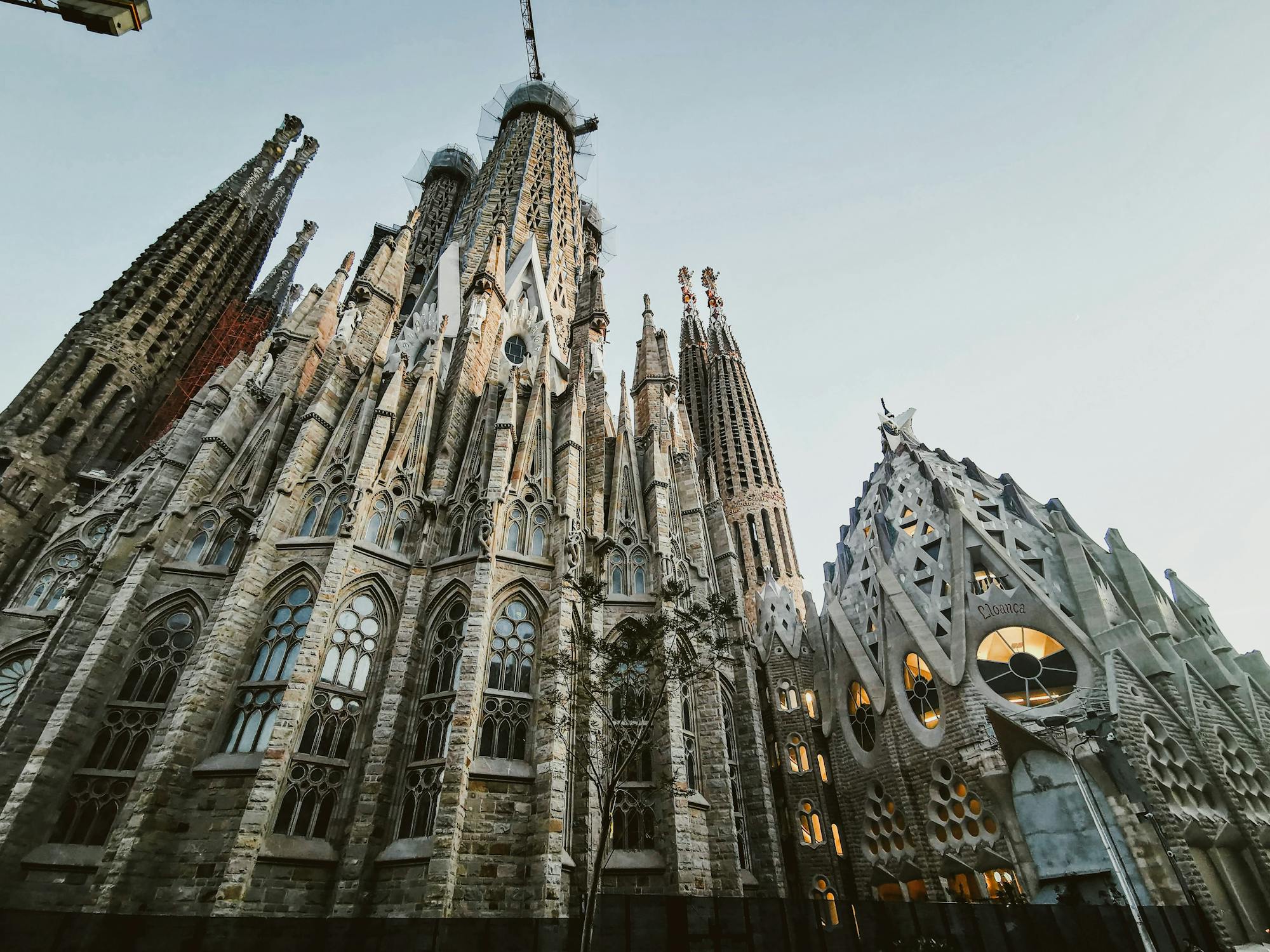
The Sagrada Família — also known as Sagrada Familia — is unlike any other building in the world: Gaudí's life's work, still under construction after more than 140 years, is a breathtaking fusion of Gothic structure and Art Nouveau detail. Book tickets well in advance, and either choose a guided tour for added context or visit at your own pace; consider upgrading to include tower access for vertiginous views over the city. The Park Güell, another Gaudí masterpiece, offers mosaic terraces, gingerbread gatehouses, and sweeping views of the city and sea, and many visitors pair it with La Sagrada Familia — arrive early morning to enjoy it without the crowds, as timed entry is required for the Monumental Zone. In the city centre, the Gothic Quarter (Barri Gòtic) rewards exploration through narrow medieval lanes and narrow winding streets, from the historic Jewish Quarter to a Roman temple hidden inside a courtyard, the magnificent Barcelona Cathedral, and the Plaça Reial, all within a compact area. Art lovers should make time for the Fundació Joan Miró on Montjuïc hill — an architectural gem by Josep Lluís Sert housing the world's best collection of Miró's work and a strong draw for fans of modern art — and the Museu Picasso in the Born district, known for its permanent collection in a historic setting that traces the artist's early years in Barcelona.
Unique Local Experiences in the Gothic Quarter
The La Boqueria market on Las Ramblas, also known as Mercat de la Boqueria, is famous worldwide, and its central location near Plaça de Catalunya makes it easy to reach, but for a more authentic (and less touristy) experience, head to the Mercat de Santa Caterina in the Born or the Mercat de l'Abaceria in Gràcia — both are neighbourhood markets where locals actually shop. Along the boulevard, street performers add to the atmosphere. It’s also one of the city’s best areas for people watching.
Barcelona's food culture is best experienced on a tapas crawl through the El Born neighbourhood — or on a food tour that helps you avoid tourist traps while discovering local delicacies with an authentic taste of Catalan culture — with patatas bravas, pan con tomate, croquetas, and fresh anchovies, paired with cold Catalan cava. For a neighborhood nightcap, try a nearby local spot for cheap drinks.
The city's biggest annual celebration is La Mercè festival in late September: a week of free concerts, human tower competitions (castellers), fire-running (correfoc), and street parties across the entire city, loved by locals and tourists alike. For something more tranquil, the neighbourhood of Gràcia during its August Festa Major transforms every street into an elaborately decorated outdoor party — one of the most joyful neighbourhood festivals in Europe. To visit Barcelona more authentically, explore its markets and neighborhoods on foot.
Day Trips and Day Trip Ideas from Barcelona
Montserrat, just 60 minutes from Barcelona by train and rack railway, is a dramatic mountain monastery rising from serrated rock formations with stunning views and excellent hiking trails, making it an easy day trip from the city. The Benedictine monastery contains the Black Madonna, one of Catalonia's most venerated religious icons. Some excursions even add a hot air balloon ride, which can be surprisingly cheap depending on the package. Alternatively, the Costa Brava (accessible by train to towns like Cadaqués, Tossa de Mar, or Begur) offers rugged Mediterranean coastline, clear turquoise water, and beautiful medieval villages — and some of these coastal towns also work well for a relaxed boat trip once you arrive.
Practical Tips for Visitors: Mercat de la Boqueria and Local Insights
Barcelona's metro is efficient and makes it easy to reach sights from the city center; the T-Casual 10-trip card offers the best value for short stays. For Montjuïc, take the Montjuïc cable car for panoramic views and gorgeous views over the city. The city is also very walkable — the Born, Gothic Quarter, Eixample, and Passeig de Gràcia are all best explored on foot between major Gaudí stops. Casa Milá, also called La Pedrera, sits on Passeig de Gràcia, and Casa Batlló began as a residential building. Admirers of modernism can also look for work by Josep Puig i and i Montaner. Camp Nou is outside the center but still easy to reach by metro on a first visit. Many of Barcelona's best restaurants don't open for dinner until 9pm (with locals dining at 10pm), so adjust your expectations accordingly. Be alert to pickpockets on La Rambla and the Gothic Quarter — use a cross-body bag and keep valuables secure. Must-try foods include pan con tomate (bread rubbed with tomato and olive oil), fresh seafood paella in Barceloneta, crema catalana, and a mid-morning croissant de mantequilla at a neighbourhood café. The Barceloneta beach area is free and lively; for calmer, cleaner swimming, take the tram north to beaches in Poblenou or the bus south to Castelldefels.