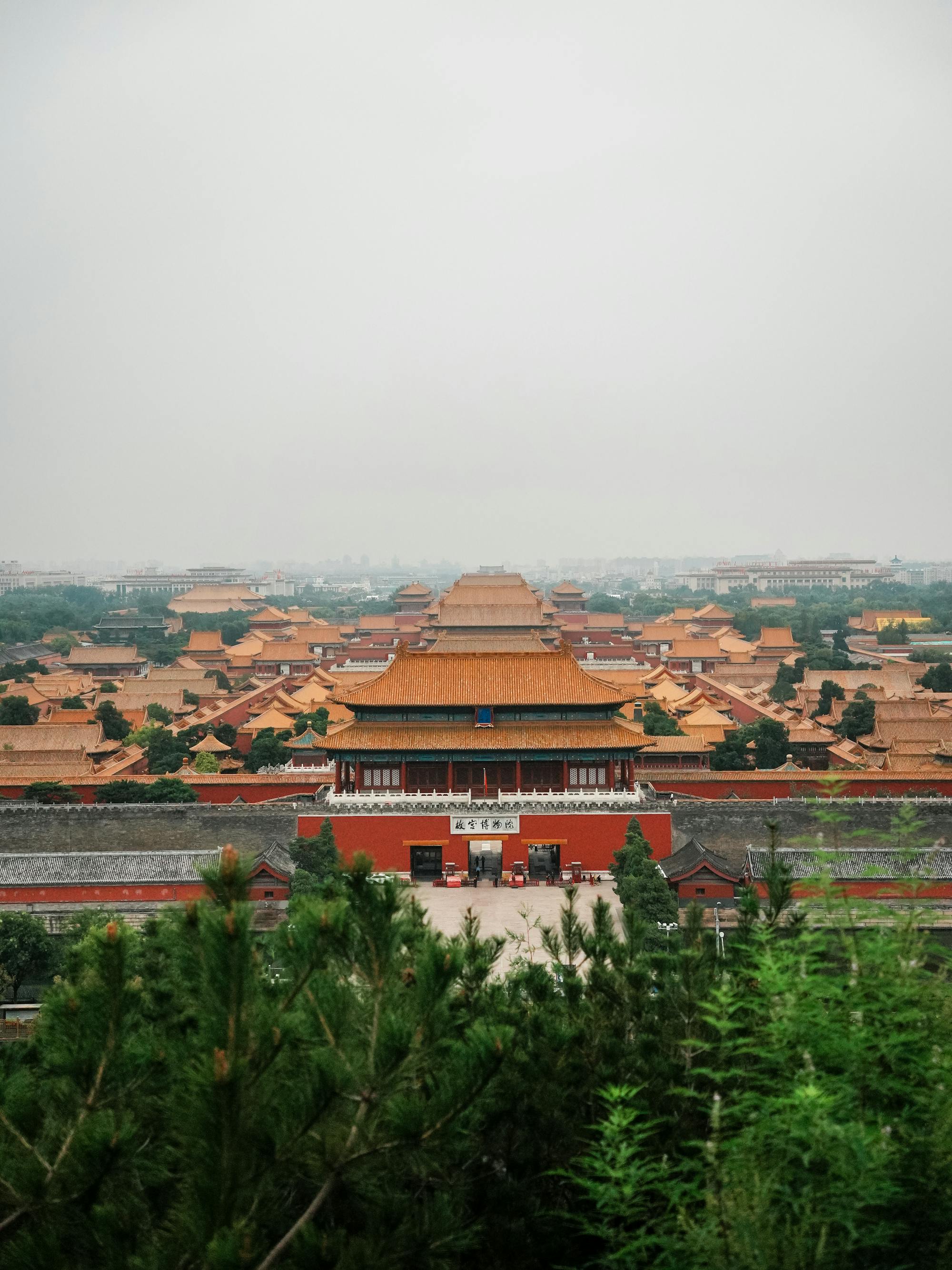
Beijing is one of the great cities of the world — a 3,000-year-old capital that has served as the seat of Chinese imperial power for over six centuries and now stands as the political and cultural heart of the world's most populous nation. The contrast between ancient and ultramodern is the defining experience of the city, where hutong alleyways and the Forbidden City exist minutes from Olympic-scale public art installations.
Beijing is one of the great cities of the world — a 3,000-year-old capital that has served as the seat of Chinese imperial power for over six centuries and now stands as the political and cultural heart of the world's most populous nation. The contrast between ancient and ultramodern is the defining experience of the city: the vast red walls of the Forbidden City cast their reflection onto the glass towers of the CBD just kilometres away; hutong alleyways where locals have lived the same daily rhythms for centuries exist minutes from Olympic-scale public art installations; and the morning tai chi practitioners in Jingshan Park are framed against the golden rooftops of the same palace complex that once housed the Son of Heaven. Beijing rewards slow, deep exploration — the kind of city where each neighbourhood reveals a completely different personality.
Things to Do in Beijing: Top Attractions
The Forbidden City (Palace Museum), the imperial palace complex at the heart of the city, is the world's largest palace complex and the world's largest collection of preserved medieval wooden architecture — 980 buildings across 72 hectares, housing 1.8 million imperial artworks from the Ming and Qing dynasties. Enter from Tiananmen Gate, beside Tiananmen Square, a centrally located landmark whose name means heavenly peace, and near important buildings including the National Museum and the Great Hall of the People (via the portrait of Mao Zedong) and exit through Shenwu Gate to Jingshan Park, where the hill's summit offers the definitive overview of the entire palace complex. The Temple of Heaven (Tiantan Park) is a vast temple complex where emperors made annual sacrifices for good harvests, with origins in the Ming Dynasty; its circular Hall of Prayer for Good Harvests is one of China's most perfect architectural achievements — arrive at 7am when the park fills with morning exercise groups. Beijing's Summer Palace (Yihe Yuan) is an imperial lakeside garden of pavilions, marble boats, and long painted corridors built around Kunming Lake and crowned by Longevity Hill, 15km from the city centre — allow half a day to walk its shores. Lama Temple (Yonghe Gong), a working Tibetan Buddhist monastery just northeast of the city centre, fills daily with worshippers burning incense at its towers, including a 26-metre-tall sandalwood Maitreya Buddha carved from a single tree trunk. 798 Art District, housed in abandoned Bauhaus-style weapons factories in northeastern Beijing, is East Asia's most significant contemporary art zone — galleries, cafés, studios, and public sculpture filling vast industrial spaces.
Cultural Immersion: Forbidden City
The hutong districts of Dongcheng District and Xicheng are Beijing's most precious surviving heritage — Beijing's hutongs, traditional narrow alleyways lined with grey-brick courtyard houses (siheyuan) where Beijingers have lived for centuries. The area around Nanluoguxiang, Wudaoying Hutong, and the Drum Tower (Gulou) neighbourhood is the best explored on foot or by hired bicycle, pausing at courtyard teahouses, independent bookshops, dumpling restaurants, and street vendors tucked inside residential laneways. Dongcheng District is a good, centrally located base to stay within walking distance of major sights in central Beijing. Visit the Drum Tower and Bell Tower — twin towers that once controlled the timekeeping of imperial Beijing — for panoramic views over the hutong roofscape. A Peking Opera performance is essential: the Liyuan Theatre in the Qianmen Hotel stages accessible shows with English subtitles and stage sets visible from all seats. For cooking, dumpling-making classes at cooking schools in the hutong districts teach jiaozi (boiled dumplings), baozi (steamed buns), and the knife skills for hand-pulled noodles, while exploring these neighbourhoods is also a great way to experience local cuisine.
Day Trips and Day Trip Ideas
One of the top beijing attractions for a day trip is the Great Wall of China. The Mutianyu section (90 minutes by direct bus from Dongzhimen) is the best combination of authenticity and accessibility — well-restored Ming Dynasty battlements, cable car and toboggan descent options, and, in the low season, fewer people, while peak months bring more crowds than quieter times. For a more adventurous experience, the Jinshanling section (2.5 hours from Beijing) offers a thrilling unrestored section with crumbling towers and absolutely stunning ridge-top views, ideal for photography and hiking. Closer to the city, the Ming Tombs (Shisan Ling) make an efficient half-day trip — the Spirit Way avenue of stone guardians and animals leading to Changling (the tomb of the Yongle Emperor who built the Forbidden City) is among Beijing's most atmospheric historical sites. A full-day excursion combining Mutianyu Great Wall and Juyongguan Pass with the Ming Tombs is available through most hostels and guesthouses. For some Great Wall trips, a bullet train can also be a convenient transport option. Together, these choices can anchor a beijing itinerary for a first trip, whether you're visiting Beijing or visiting China.
Food Culture and Street Food
Peking duck (北京烤鸭) is the city's signature dish — Beijing's most famous roast duck, known across China and around the world — with whole duck lacquered in malt sugar, hung to dry, and roasted in a fruit-wood oven until the skin crackles like glass, then carved tableside and wrapped in thin pancakes with spring onion, cucumber, hoisin sauce, and spring pancakes. The venerable Quanjude (founded 1864) remains the most famous address; Da Dong is the modern masterpiece, with a leaner, crisper version using a specially developed method. Beyond duck, Beijing street food is extraordinary: jianbing (crispy egg crepe with hoisin, chilli, spring onion, and fried wonton) is the city's essential breakfast, made fresh on street-corner griddles from dawn, and what you order beyond the classics often comes down to personal preference. Zhajiangmian (hand-pulled noodles tossed with a rich fermented soybean paste sauce and fresh cucumber) is Beijing's most beloved noodle dish. The Wangfujing Snack Street and the older Donghuamen Night Market serve everything from silkworm pupae and scorpion to more palatable lamb skewers and candied hawthorn sticks. The hutong café scene has produced some of Asia's finest specialty coffee and craft beer bars, particularly around Gulou and Wudaoying, and these food-focused neighborhoods are a bucket list stop for many travelers.
Practical Tips for Beijing Capital International Airport
The Forbidden City requires advance online booking (tickets sell out on weekends and holidays); book at least three days ahead at the Palace Museum's official website (pm.com.cn). The Temple of Heaven and Summer Palace also sell online tickets. For anyone visiting the Chinese capital, these practical logistics make getting around much easier. Beijing's Metro system is excellent — cheap, extensive, and in English — and covers most major attractions; if you land at Beijing Capital International Airport, the Airport Express is a simple connection from the international airport into the city. Download DiDi for app-based taxis, and using a taxi driver is usually straightforward and not a big deal if you have the destination in Chinese. A VPN is essential for accessing Google Maps, WhatsApp, and Instagram because of the Great Firewall — install before arriving as the download requires Google Play. Air quality (PM2.5 smog) can be poor in winter and on still days; check real-time air quality at aqicn.org and carry an N95 mask. The best months are April–May and September–October; spring and autumn are ideal, summer brings more crowds, and winter can work well in low season for lower prices at some sights; avoid the Golden Week holidays (October 1–7) when the Forbidden City reaches capacity before 9am. Closing time varies by attraction, so confirm hours before setting out. Most signs in the metro and major sights are in English, but carry a translation app (Google Translate offline mode, downloaded before arrival) for menus and street navigation.