Brazil is a country of superlatives — the world's largest tropical rainforest, the world's most famous carnival, some of Earth's greatest waterfalls, and a coastline stretching over 7,000km of beaches that range from sophisticated to utterly wild. The fifth-largest country on Earth by both area and population, Brazil contains within its borders an almost incomprehensible diversity of ecosystems, cultures, and experiences.
Top Attractions: Things to Do in Brazil
Top things to do in Brazil include seeing Christ the Redeemer and Sugarloaf Mountain in Rio de Janeiro, taking in the panoramic power of Iguazu Falls, exploring the Amazon Rainforest, relaxing on Copacabana and Ipanema, and heading into the Pantanal for some of South America's best wildlife viewing. For affluent leisure travelers and digital-savvy professionals who want a more tailored, high-touch trip than a standard sightseeing list, these are the experiences that shape a smarter Brazil itinerary.
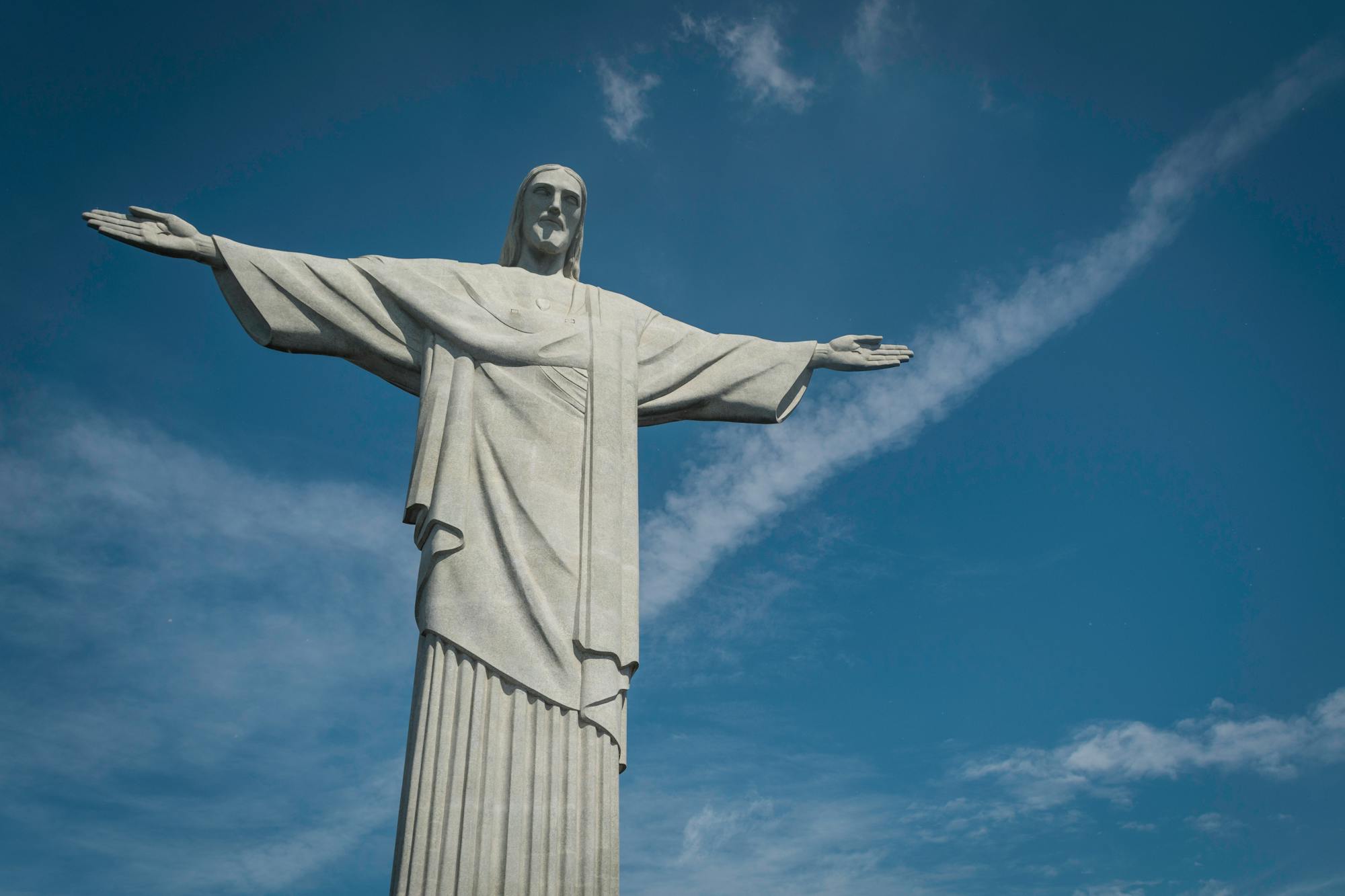
Christ the Redeemer atop Corcovado Mountain in Rio de Janeiro is one of the world's most recognized statues — the 30-meter Art Deco figure with arms outstretched over the city below is a genuinely moving sight, often paired with Sugarloaf Mountain for its iconic cable car ride and sunset panoramas over Guanabara Bay. The Iguazu Falls, straddling the Brazil-Argentina border within Iguaçu National Park, is one of the world's greatest natural wonders — 275 individual waterfalls spanning nearly 3km, with panoramic views from the Brazilian side, and many visitors also cross to the Argentinian side to see Devil's Throat up close. The Amazon Rainforest covers 60% of Brazil and represents the largest tropical rainforest on Earth — accessible from Manaus or Belém through river cruises and jungle lodges offering extraordinary wildlife encounters. Copacabana Beach and Ipanema in Rio are legendary for their beauty, culture, and social scene, and they help define one of Brazil's most vibrant cities. The Pantanal, the world's largest tropical wetland and a UNESCO World Heritage site, offers unrivaled wildlife viewing — visitors come here to spot jaguars, giant river otters, capybaras, and hundreds of bird species.
Beyond these headline sights, this guide also moves through Rio day trips, regional highlights, Brazilian food and music, and practical travel tips that help you decide where to go, how to pace the journey, and which experiences are worth prioritizing in a country this large and varied.
Unique Experiences in Rio de Janeiro
Brazil offers experiences found nowhere else on Earth. Carnival in Rio de Janeiro (February/March) is the world's largest and most spectacular street festival — the Sambadrome parade features elite samba schools, and the best samba schools compete there in one of humanity's greatest live spectacles. Christ the Redeemer is one of Rio’s most popular attractions, and Sugarloaf Mountain offers stunning views of Rio de Janeiro, especially from the cable car. A walk through Santa Teresa adds a bohemian counterpoint, while catching a football match at Maracanã is so much fun if you want a more local pulse. If Rio is high on your list, I suggest staying long enough to pair its icons with neighborhood time. Fernando de Noronha, an archipelago 354km off the northeast coast, is Brazil's most spectacular beach destination — crystal-clear water, abundant marine life, UNESCO World Heritage protection, and exceptional scuba diving preserve its extraordinary beauty. Beach-hopping is also one of the best ways to explore the area's secluded beaches and natural pools. Lençóis Maranhenses National Park in Maranhão state is a surreal landscape of white sand dunes filled with crystal-clear freshwater lagoons between January and September. The lagoons are especially impressive after the rainy season. Floatplane over the Amazon — a bird's-eye perspective of the Amazon River and the world's largest river system threading through seemingly infinite forest — is one of the most awe-inspiring views available to any traveler.
Day Trips and Regional Highlights
Brazil's regions each offer distinct day trip and multi-day extension possibilities. In Rio de Janeiro, Carnival lasts for six days every February, with samba schools at the heart of the celebration. It also includes free street parties called bloco throughout cities, and Rio de Janeiro alone hosts over 30 bloco parties during Carnival. Santa Teresa is one of the city's popular attractions for a more bohemian, arts-focused experience. Riding the cable car is also worth it for sweeping city views. The Two Brothers Hike takes about 40 minutes to reach the viewpoint. Catching a football match at Maracanã is so much fun if you want a local atmosphere. From there, visit the Imperial City of Petrópolis in the mountains (2 hours), the small colonial destination of Paraty (4 hours), known for its cobblestone streets and colonial architecture, or the beaches of Búzios (3 hours), where boutique shops add to the appeal. From São Paulo, largest city in Brazil, the coffee-country towns of Campos do Jordão and São Luiz do Paraitinga are beautiful weekend escapes, and the são paulo museum of Art plus Vila Madalena's street art add a strong cultural angle; a private tour can make exploring those neighborhoods easier. ilha grande, part of brazil's green coast, is an island paradise known for beach-hopping and hiking trails. Salvador da Bahia, Brazil's first colonial capital, is a UNESCO World Heritage city where many brazilians trace Afro-Brazilian traditions, music, and cuisine, and Pelourinho's cobbled streets deepen its historic atmosphere. Bonito in Mato Grosso do Sul is a small town that offers crystalline river snorkeling and cave diving in some of the world's clearest freshwater.
Food and Brazilian Culture
Brazilian cuisine is deeply diverse by region. Feijoada — a rich black bean and pork stew served with rice, orange slices, and farofa — is Brazil's national dish, traditionally eaten on Saturdays. Churrasco (Brazilian BBQ) at a rodízio restaurant — where waiters bring endless skewers of grilled meats to your table and locals often drink beer with the meal — is a quintessentially Brazilian dining ritual. In Bahia, moqueca (a rich seafood stew with coconut milk and dendê palm oil) and acarajé (deep-fried black-eyed pea fritters) reflect the deep African influence on regional cuisine. Caipirinha — Brazil's national cocktail made with cachaça, sugar, and lime — is the perfect companion. Culturally, Brazil's music traditions — samba, bossa nova, forró, axé — are inseparable from its national identity, and live music venues from Rio's Lapa neighborhood to Bahia's street parties offer access to these living traditions at their most authentic.
Practical Tips and Travel Guide for Your Trip to Brazil
Brazil is a huge country in South America — even three weeks will only cover selected highlights, not everything in one trip, so domestic flights are the practical way to move between major cities and regions. GOL, LATAM, and Azul airlines serve an extensive domestic network. Campo Grande is a common gateway for Pantanal trips. Portuguese is the official language, and English is not widely spoken outside major tourist areas and hotels — learning some basic Portuguese is genuinely rewarding and appreciated. The Brazilian Real (BRL) is the currency. Safety varies significantly by city and neighborhood — major tourist areas are generally well-patrolled, but use common sense, avoid flashy jewelry, and take basic urban precautions in all Brazilian cities, as some neighborhoods are best avoided. Weather also varies by region, with southern Brazil having cooler seasons, while many destinations are appealing year round. Always use registered taxis or rideshare apps (Uber is widely used throughout Brazil). Yellow fever vaccination is recommended for travel to the Amazon and Pantanal. Travel insurance with medical evacuation coverage is strongly recommended. This travel guide gives you all the info you need to start planning a Brazil trip, including its music traditions and live culture, where capoeira is a traditional Brazilian martial art and dance tied to Afro-Brazilian expression.