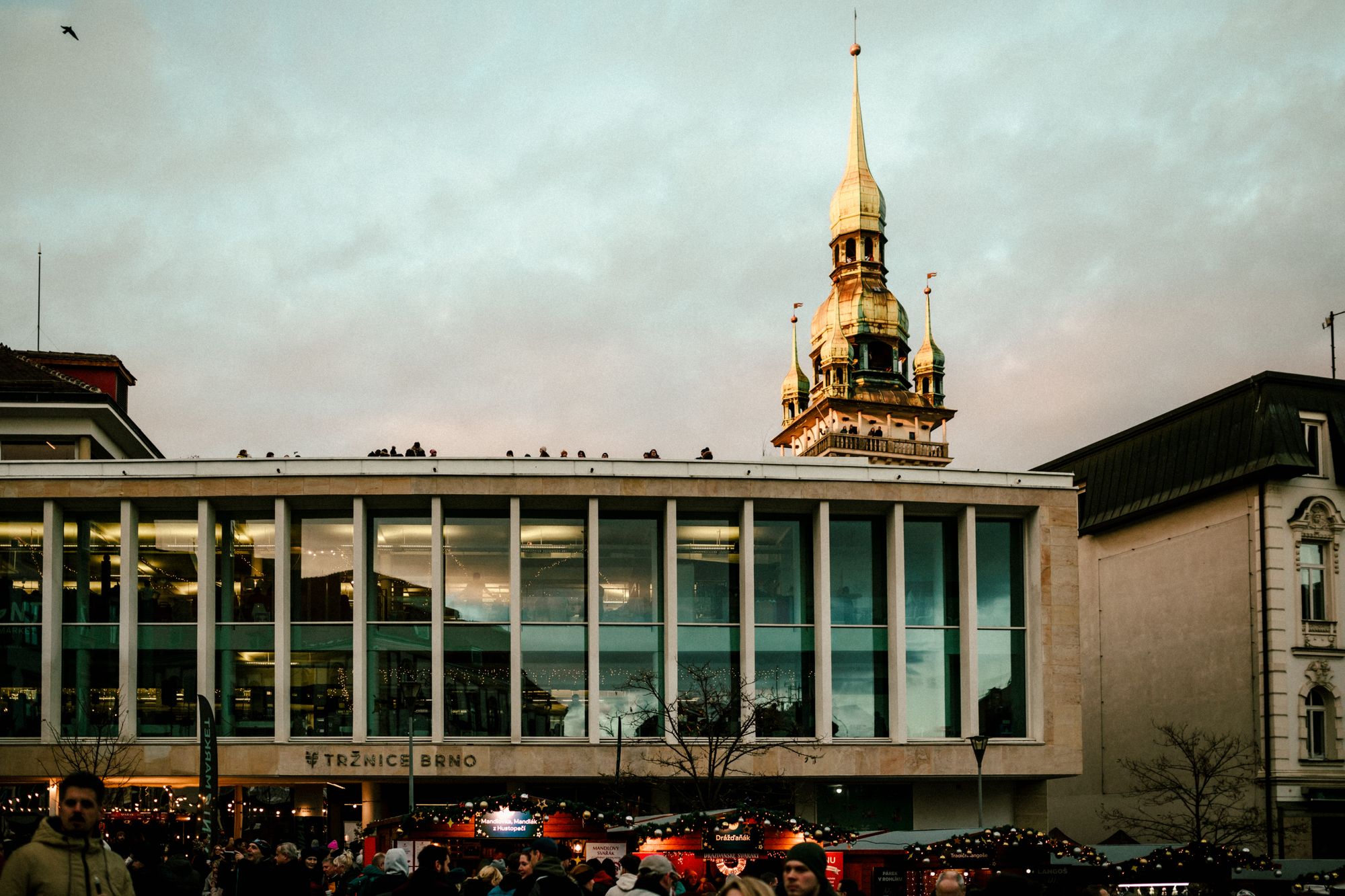
Brno, the Czech Republic's second-largest city and the capital of Moravia, is a destination that consistently surprises first-time visitors. Compact enough to explore on foot yet rich in architecture, culture, and nightlife, Brno blends a distinguished university-city energy with deep historical roots. The city's skyline is dominated by the twin Gothic spires of the Cathedral of St Peter and Paul and the imposing Špilberk Castle, while its streets buzz with students, designers, and a creative café culture that rivals Prague at a fraction of the tourist crowds.
Brno, the Czech Republic's second-largest city and the capital of Moravia, is a destination that consistently surprises first-time visitors. Compact enough to explore on foot yet rich in architecture, culture, and nightlife, Brno blends a distinguished university-city energy with deep historical roots. The city's skyline is dominated by the twin Gothic spires of the Cathedral of St Peter and Paul and the imposing Špilberk Castle, while its streets buzz with students, designers, and a creative café culture that rivals Prague at a fraction of the tourist crowds. Whether you are drawn by Functionalist architecture — Brno is home to the UNESCO-listed Villa Tugendhat — Moravian wines, or the thriving music and food scene, Brno rewards every type of traveller.
Things to Do in Brno: Top Attractions
The Cathedral of St Peter and Paul (Katedrála sv. Petra a Pavla) crowns Petrov Hill and offers panoramic views over the old town's red rooftops. Entrance to the nave is free; pay a small fee to climb the towers. The Špilberk Castle dates to the 13th century as a royal castle, and Spilberk Castle later played a key role in the Swedish siege during the Thirty Years' War; its casemates can be explored today as part of the Brno City Museum, and the hilltop setting can make a visit feel like a magical experience, especially during the regular concerts and theatrical performances now held there. Nearby, the 10-Z Bunker is one of Brno's most distinctive tourist attractions, a World War II air raid shelter built for survival and able to accommodate up to 500 people. Villa Tugendhat, and Tugendhat Villa in particular, is a 1930 masterpiece by Ludwig Mies van der Rohe, a UNESCO World Heritage Site, and an icon of modern architecture celebrated for its stunning architecture; book guided tours well in advance. The Zelný trh (Cabbage Market) is the city's oldest market square, framed by the Baroque Parnas Fountain and lined with coffee houses where locals gather every morning. Finally, the Old Town Hall houses the legendary Brno Dragon — actually a stuffed crocodile gifted to the city in the 16th century — along with the Brno Wheel, a wagon wheel crafted by a master wheelwright in a single day as a bet. Its 63-meter tower rewards the climb with a panoramic view across the city. From nearby Freedom Square, you can also see the astronomical clock, tied to the tale that noon was rung an hour early so the Swedish army and a Swedish general gave up the attack, and it also releases a marble daily at 11 am; the central setting offers another fine look across this beautiful city.
Local Experiences and Activities for Your Brno Itinerary
Brno's underground is surprisingly rich: the Labyrinth under the Vegetable Market is a network of medieval cellars used for storage and shelter, with origins in the middle ages; it's open for guided tours several metres below street level, so check opening hours in advance. The brno ossuary is an underground burial site that was long forgotten before its rediscovery, and it is now known as the second-largest in Europe, housing around 50,000 skeletons. The capuchin crypt is another notable burial site in Brno, displaying the mummified remains of 24 monks. 10-Z Bunker is a world war air raid shelter where you can choose a guided tour or self guided tour, and a local guide helps bring the wartime setting to life; it also offers overnight beds from €35/night.
Art lovers should visit the Moravian Gallery, whose collections span applied arts, fine art, and graphic design across several city-centre buildings. For a local evening, head to the Stará Pekárna or Fléda concert venues to catch indie and folk acts, or explore the microbreweries scattered throughout the centre — Brno has a passionate craft-beer scene. If you want a unique bar for a quick drink, super panda circus is a fun stop, serving cocktails through a character-based game that feels more immersive than a standard bar visit. The Bar That Doesn't Exist is another popular cocktail bar in Brno. Wine enthusiasts are well served: South Moravia is one of Central Europe's finest wine-producing regions, and the old town has dozens of wine bars (sklep) pouring local Welschriesling, Müller-Thurgau, and Pálava varietals. Join a guided wine tasting at a traditional Moravian wine cellar in the nearby village of Valtice or Mikulov for an authentic experience.
Day Trip Ideas and Nearby Destinations
Brno, Czech Republic is exceptionally well-positioned as a well-connected base in Central Europe, with easy rail links including Vienna, Brno-Tuřany Airport, and its location in the Moravia region also makes it ideal for a Brno itinerary built around short excursions. The Pálava Hills and Lednice-Valtice Cultural Landscape — another UNESCO site — lie just 50 km south and make for a gorgeous half-day or full-day excursion, combining castle grounds, vineyards, and the largest artificial lake in the Czech Republic, the Nové Mlýny reservoir; Valtice Castle is part of the complex and was a former Liechtenstein residence. Mikulov, a picturesque hilltop town 60 km south on the Austrian border, is the heart of Moravian wine country and an easy day trip. Northward, the Macocha Abyss in the Moravian Karst is a dramatic 138-metre deep gorge accessible by cable car; the cave system includes the Punkva Caves, where you can travel by boat along an underground river. For some cave visits, sturdy shoes such as hiking boots are a smart idea. Prague is just about 2.5 hours away by RegioJet train, and Brno accommodations are generally cheaper than in Prague while still feeling relatively reasonable for Eastern Europe; the train station serves as the practical departure point for outings that also take you a little beyond the beaten path. Uber is available for longer distances when day trips are less practical by public transport.
Food and Drink Culture: Super Panda Circus and More
Brno has good food and a strong Czech food tradition rooted in pork, dumplings, and cabbage, but the restaurant scene has evolved dramatically. The covered Stará Tržnice market hall has been transformed into a food and culture hub with street food stalls, pop-up restaurants, and weekend events. Try svíčková na smetaně (beef sirloin in cream sauce with bread dumplings) at a traditional pivnice (pub), or head to Restaurace Jakoby for classic Czech dishes such as goulash, then pull up a bar stool at one of the modern bistros serving Moravian tartare and local cheese boards. Forky's is a handy pick for plant-based dishes. If you want a break from local cooking, La Piñata serves highly recommended burritos near the Vegetable Market. The Zelný trh market is the best place to pick up fresh vegetables, trdelník pastries, and local honey, and it has been operating for around 850 years. For coffee, Brno's independent café scene is outstanding — look for Monogram Espresso Bar, Café Práh, or Café Podnebi for specialty roasts and local Czech breakfasts, with some spots slightly off-center attracting not many tourists. Pair everything with a glass of Moravian white wine: the region's wines are largely consumed domestically, and tasting these regional flavors is one reason Brno worth visiting comes up so often.
Practical Tips to Save Money
Brno city centre is compact and walkable, and the main city center sights are easy to cover on foot; trams serve the wider city and run frequently until midnight, with night trams operating on weekends. Buy a 90-minute ticket from machines at stops or via the Brno Public Transport app — ticket inspectors are active and fines for fare-dodging are steep. Brno is relatively budget friendly by Central European standards, and using public transport is an easy way to save money. The Czech koruna (CZK) is the currency; most restaurants and shops accept cards, but having some cash for markets and smaller pubs is wise. Brno can also suit a solo traveller because it is easy to navigate and generally safe. English is widely spoken in the centre, especially among younger locals. Brno is generally very safe; the main thing to watch in summer is heat — the city can get genuinely hot in July and August, so carry water. The Grand Prix of Brno in August (motorcycle racing at the Masarykův okruh circuit) and the Brno International Music Festival in September draw crowds and push up hotel prices, often adding extra cost for hotels, so book early if visiting then. These are useful top tips for visiting Brno.