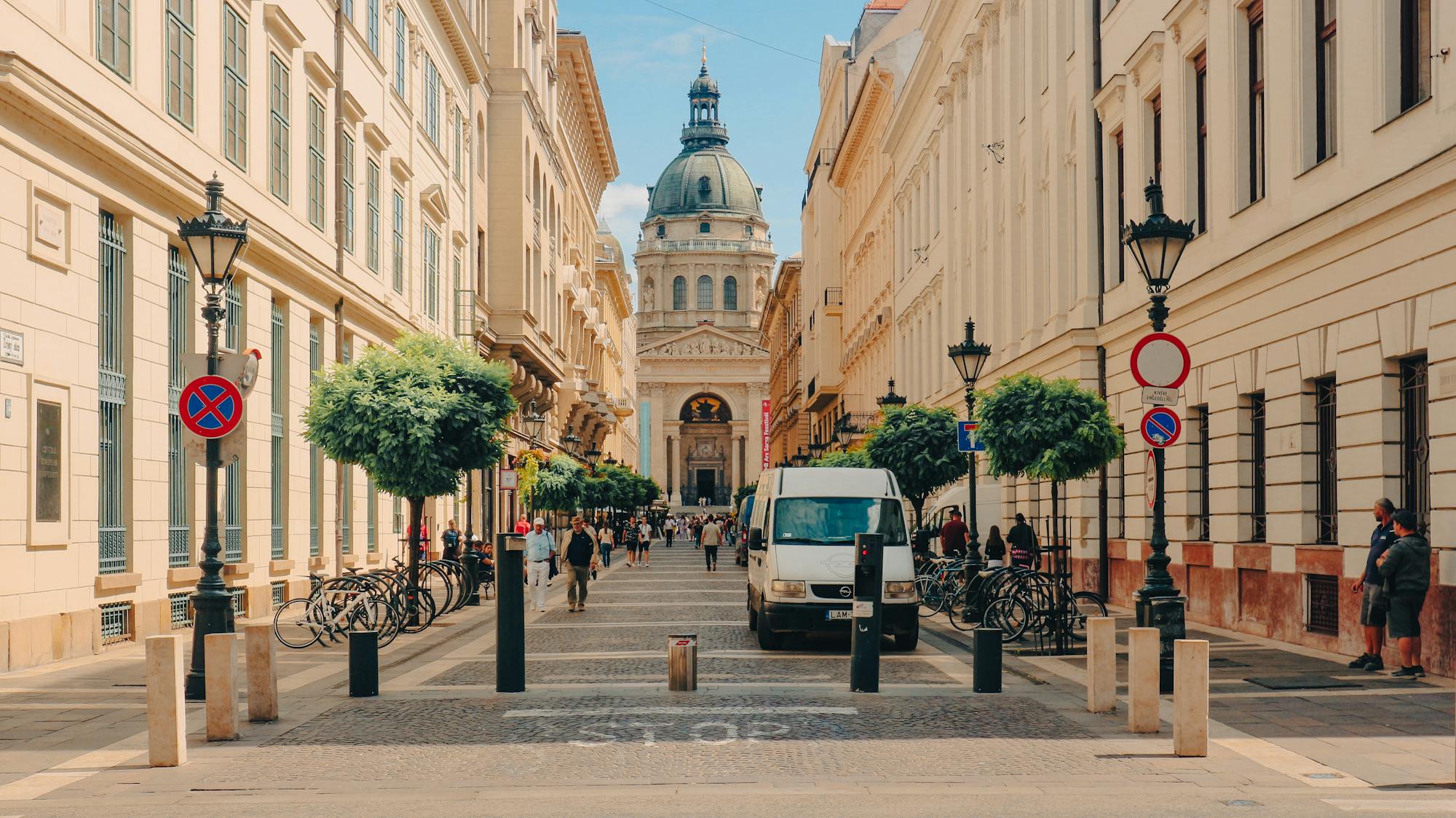
Budapest is the Danube's crown jewel — a city of extraordinary architectural grandeur divided by Europe's great river into the hilly Buda side and the flat, grid-planned Pest side. Its skyline, dominated by the neo-Gothic Parliament Building and the baroque Buda Castle, is one of the most dramatic in Europe, and its thermal bath culture — fed by 118 thermal springs beneath the city — is unlike anything else on the continent.
Things to Do in Budapest
Best Things to Do in Budapest
Budapest offers a rare mix of grand architecture, thermal bathing culture, deep history, and a food scene that is easy to explore on foot. The city is split by the danube river, with the buda side feeling hillier and calmer and the pest side offering more of the major museums, nightlife, and urban energy, so that layout matters when planning sightseeing. For this guide, we focused on the experiences that give most visitors the clearest sense of place, balancing iconic landmarks with local culture and practical appeal.
How We Chose the Best Things to Do in Budapest
This category is broad, so a short list would miss too much and a very long one would become repetitive. We narrowed the ranking to seven standout experiences based on variety, cultural value, ease of access, and how memorable they are on a first visit. The list is designed to help travelers build a fuller stay, not treat the city like a rushed day trip.
Best 7 Things to Do in Budapest
1. Visit the Hungarian Parliament Building
The hungarian parliament building is one of the city's defining landmarks and one of the strongest first stops for understanding Budapest's scale and style. The riverside setting, grand chambers, and ornate design make it one of the most rewarding major sights.
Why It Stands Out
The parliament building combines national symbolism with architecture that feels impressive even before you step inside. If you go in, access is often tied to a guided tour, and some visits also include an audio tour format that helps explain the rooms, the hungarian crown jewels, and the intricate details that are easy to miss on your own.
Best For
Travelers who want one high-impact landmark with strong architectural and historical value.
Key Strengths
Iconic riverside location
Rich interiors and ceremonial spaces
Easy to pair with nearby walks and viewpoints
Possible Limitations
Timed entry can sell out
Exterior views are easier than interior access
2. Explore Buda Castle and Fisherman's Bastion
The Castle District is one of the most scenic parts of the city, and pairing buda castle with fisherman's bastion gives you history, views, and atmosphere in one area. It is one of the clearest examples of why Budapest rewards unhurried exploration.
Why It Stands Out
This area is especially strong for history lovers, but it also works well for anyone who wants classic panoramas and memorable architecture. The bastion's fairytale turrets overlook the river and Parliament, and it is a short walk between the two sights, which makes the district especially worth visiting even on a tighter schedule.
Best For
Visitors who want postcard views, historic surroundings, and one of the city's best walking areas.
Key Strengths
Excellent viewpoints over the riverfront
Strong mix of architecture and atmosphere
Easy to combine into one half-day outing
Possible Limitations
Can feel crowded at prime viewing times
Some parts are more about scenery than museum depth
3. Soak in Budapest's Thermal Baths
Few cities are as closely associated with bathing culture as Budapest, and the thermal baths remain one of its most distinctive experiences. Whether you want a classic spa setting or something more unusual, this is a category the city does exceptionally well.
Why It Stands Out
The range matters here. Traditional favorites like gellert baths appeal to visitors looking for historic elegance, while a beer spa offers a more novelty-driven alternative for travelers who want something less conventional. If you are exploring the hillier areas, this can also connect naturally with stops near the cave church.
Best For
Travelers who want relaxation, local tradition, and a break from nonstop sightseeing.
Key Strengths
Signature local experience
Good contrast to museum-heavy days
Options range from classic to quirky
Possible Limitations
Popular baths can be busy
Preferences vary between social and quiet atmospheres
4. Spend an Evening in the Jewish Quarter
For nightlife, culture, and a more contemporary side of the city, the jewish quarter stands out. It is the best area to experience Budapest after dark without losing the sense of place that makes the city memorable.
Why It Stands Out
This neighborhood is known for ruin bars, creative energy, and a mix of old facades and modern nightlife. You will find street art, courtyards lit with neon lights, and venues that often host live music. It is also one of the easiest places to compare drink prices and strike up conversations with other travellers while moving between bars.
Best For
Visitors who want nightlife, casual social energy, and a less formal view of Budapest culture.
Key Strengths
Distinctive nightlife scene
Dense cluster of bars and late-night spots
Strong atmosphere for solo travelers and groups
Possible Limitations
Noise and crowds can be intense
Best venues may not suit travelers seeking a quiet evening
5. Eat Your Way Through the Great Market Hall
If food is part of how you experience a place, the great market hall deserves a spot near the top of your list. It gives you a practical and flavorful introduction to local ingredients, snacks, and souvenirs in one stop.
Why It Stands Out
Also known as the central market hall, this historic market hall works well because the layout is easy to understand: the ground floor is where you will usually find fresh produce and staple ingredients, while the upper floor is better for ready-to-eat bites and gifts. It is one of the simplest places to sample hungarian food, browse street food, try fried dough topped with sour cream, and pick up a sweet chimney cake before heading back out.
Best For
Travelers who want a low-friction food stop with both local flavor and souvenir value.
Key Strengths
Good range of edible specialties
Convenient for tasting and browsing
Strong mix of local products and visitor-friendly stalls
Possible Limitations
Some sections feel tourist-oriented
Better for sampling than for a slow sit-down meal
6. Visit Stephen's Basilica
stephen's basilica is one of the city's most important churches and a reliable choice for travelers who want a central landmark with both visual impact and national significance. It fits easily into a sightseeing day and rewards even a shorter stop.
Why It Stands Out
The interior is absolutely stunning, and the site connects directly to Saint Stephen, Hungary's first king. That combination of civic importance and beauty makes it one of the strongest church visits in the city, whether you focus on the nave, the chapels, or the broader square around it.
Best For
Travelers who want a major landmark in a central location without committing to a full museum-style visit.
Key Strengths
High visual payoff
Strong historical significance
Easy to combine with nearby cafés and evening walks
Possible Limitations
Can be busy in the daytime
Religious sites may not suit every traveler's priorities
7. Make Time for Budapest's Wartime Memory Sites
Not every essential experience in Budapest is scenic or relaxing. The city's memorials and museums dealing with repression and conflict offer some of its most serious and meaningful visits.
Why It Stands Out
Start with shoes on the danube, a moving memorial on the danube bank tied to atrocities carried out during world war ii. It is one of the clearest places to confront the impact of the arrow cross party and the wider violence of that world war era. For a broader view of persecution and political terror, pair it with a holocaust memorial site or museum-focused stop, then continue to the House of Terror, which documents the role of the secret police and places these events within hungary's history.
Best For
Visitors who want a deeper, more honest understanding of the city beyond its postcard image.
Key Strengths
Powerful historical context
Important memorial experience
Complements the city's grander landmarks with substance
Possible Limitations
Emotionally heavy subject matter
Best approached with time and attention
Quick Comparison of the Best Things to Do in Budapest
Hungarian Parliament Building – Best for architecture and grand interiors
Buda Castle and Fisherman's Bastion – Best for views and historic atmosphere
Thermal Baths – Best for relaxation and local bathing culture
Jewish Quarter – Best for nightlife and creative urban energy
Great Market Hall – Best for food sampling and local products
Stephen's Basilica – Best for central landmark appeal
Wartime memory sites – Best for historical perspective and reflection
How to Choose the Right Things to Do
The right mix depends on how long you have, what kind of trip you enjoy, and how much structure you want in your days.
Choose Based on Interests
If you care most about architecture and national landmarks, prioritize Parliament, the Castle District, and the basilica. If your focus is food, start at the market and add a stop at new york café, often mentioned alongside york café as a famously ornate and beautiful café experience. If nightlife matters more, spend extra time in the Jewish Quarter.
Choose Based on Area and Logistics
The city center is easy to cover between major sights, and public transport makes it simple to connect the hills, riverfront, and nightlife districts. You can also add a walking tour if you want historical orientation early in your stay, cross the chain bridge for classic views, or head out to city park when you want more space and a slower pace.
Choose Based on Timing
Crowds matter. Major attractions and baths feel busiest in peak season, while winter brings a different kind of appeal through festive christmas markets. A simple travel tip: spring and early autumn usually offer the best balance of weather, manageable crowds, and comfortable sightseeing.
Which Option Is Best for You?
Choose Hungarian Parliament Building if you need a flagship landmark with depth inside and out.
Choose Buda Castle and Fisherman's Bastion if you want views, atmosphere, and a scenic historic district.
Choose Thermal Baths if your priority is relaxation and a classic local experience.
Choose Jewish Quarter if you want nightlife, bars, and social energy.
Choose Great Market Hall if food is a big part of how you explore.
Choose Stephen's Basilica if you want a central landmark with strong visual impact.
Choose Wartime memory sites if you want the most reflective and historically grounded experience.
Final Thoughts
Budapest is broad enough to justify a seven-part list because the best experiences are meaningfully different from each other. The strongest all-around picks for most travelers are Parliament, the Castle District, and the baths, but the right itinerary depends on whether you care most about views, food, nightlife, or history. If you have enough time to mix those categories rather than chasing highlights too quickly, the city becomes much more rewarding.