Buenos Aires is one of the world's great cities — a sprawling, passionate, endlessly surprising metropolis where European elegance meets South American fire.
Things to Do in Buenos Aires: The Paris of South America
Buenos Aires is one of the world's great cities — a sprawling, passionate, endlessly surprising metropolis where European elegance meets South American fire. The Argentine capital of 3 million (with a metro area of 15 million), also known as Argentina's capital, is famous for its tango, its beef, its football, and its remarkable architectural heritage — ornate French-influenced buildings, wide tree-lined boulevards, and charming neighbourhood plazas. But Buenos Aires rewards deeper exploration: its world-class museums, thriving arts scene, major cultural center venues like the Centro Cultural Kirchner, extraordinary restaurant culture, and the warmth of its people (porteños) make it one of the Americas' most magnetic destinations.
Top Attractions in Buenos Aires: El Ateneo Grand Splendid and More
The Recoleta Cemetery is one of the world's most extraordinary burial grounds — not morbid at all, but an astonishing outdoor museum of elaborate marble mausoleums, Greek temples, Art Deco sculptures, and baroque funerary art. The graves of Argentina's most illustrious figures are here, including Eva Perón (Evita) and references to Jorge Luis Borges, whose names help define the site's cultural pull. Spend an hour wandering its avenues and discovering the stories behind the grand family vaults for a deeper sense of Argentina's history. Entry is free.
The MALBA (Museo de Arte Latinoamericano de Buenos Aires) in Palermo is the city's finest art museum — a sleek contemporary building housing an exceptional collection of 20th-century Latin American art, one of the region's key collections in Latin America, including works by Frida Kahlo, Diego Rivera, Tarsila do Amaral, and Antonio Berni. The museum shop and café are both excellent. Nearby, the Buenos Aires Botanical Garden (Jardín Botánico) offers a peaceful escape in the heart of Palermo. Not far away, El Ateneo Grand Splendid, set inside the former teatro gran splendid, is a landmark bookstore where the preserved former stage now serves as a seating and café area.
La Boca is Buenos Aires' most colourful and photogenic neighbourhood — the la boca neighborhood is a working-class port district where the famous Caminito pedestrian street is lined with brightly painted houses made from sheet metal, souvenir stalls, and tango dancers performing for passersby. It's touristy but undeniably vibrant. La Boca is also home to the famous Estadio Alberto J. Armando (La Bombonera) — the home stadium of Boca Juniors football club, which offers excellent stadium tours even when no match is scheduled. End this run of major sights at plaza de mayo, where Casa Rosada — the pink house — anchors a central square often included on a walking tour past historic buildings along Avenida de Mayo and nearby grand boulevards. The Obelisco rises a short distance away in Plaza de la República.
Unique Experiences
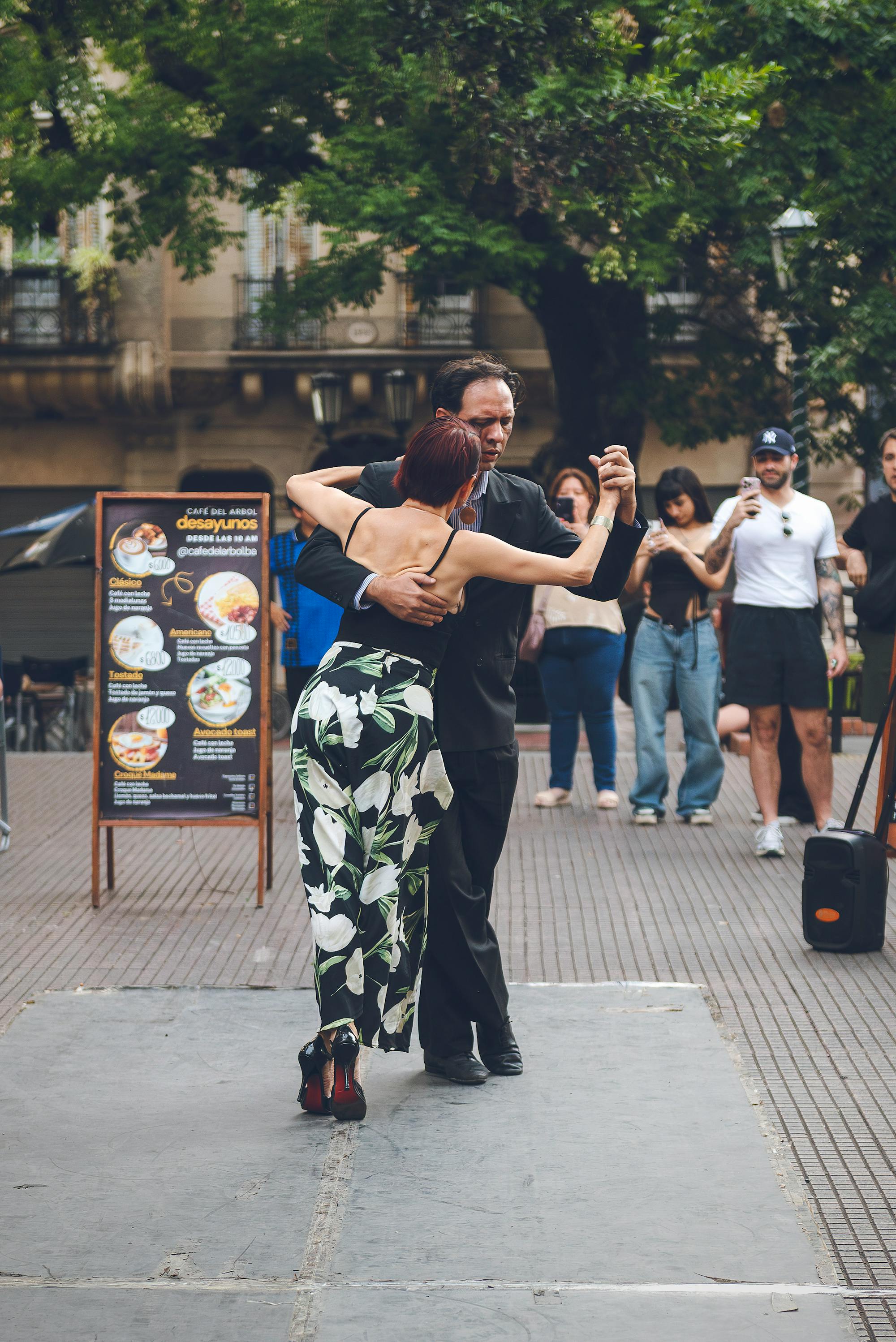
Tango is the soul of Buenos Aires, whether you want to watch a tango show or learn to dance tango yourself. The city offers every level of engagement: free tango shows at outdoor milongas in San Telmo's Plaza Dorrego on Sunday afternoons; beginner tango classes at neighbourhood dance studios; dinner shows at the historic El Viejo Almacén or Café de los Angelitos for theatrical flair, with tango performances by professional dancers; and authentic late-night milongas at Club Atlético Porteño or La Catedral for serious dancers. Even non-dancers will be captivated by watching the passionate embrace of tango performed well.
The San Telmo Market (Mercado de San Telmo) is a magnificent iron-and-glass 1897 market building housing an eclectic mix of antique dealers, gourmet food stalls, artisan shops, and bars. Sunday is the best day to visit the San Telmo Sunday Market, when the San Telmo neighborhood turns into a lively street fair with an outdoor antiques fair, street performers, and cafés with outdoor seating that make it easy to linger and people-watch. The nearby Feria de San Pedro Telmo antique market is one of the city's most atmospheric weekly events.
A football match at one of Buenos Aires' legendary stadiums is an unforgettable experience. The Superclásico — the match between Boca Juniors and River Plate — is one of the world's most intense sporting rivalries. Getting tickets can be challenging; reputable tour operators can arrange access to regular season games at both clubs' grounds. River Plate's El Monumental is the other iconic stadium in the city.
For an easy day trip, head to Tigre, a picturesque town that offers a break from the city's hustle, or choose an estancia-style outing focused on gaucho culture for a more traditional experience.
Neighbourhoods to Explore: San Telmo Market Highlights
Palermo is the city's most fashionable quarter — within the broader Palermo neighborhood, it includes Palermo Soho (boutiques, restaurants, bars), Palermo Hollywood (TV production companies and media, plus excellent restaurants), and Chico (embassies, parks). The neighbourhood has Buenos Aires' best concentration of mid-range to upscale dining, with Argentine classics alongside outstanding sushi, Vietnamese, Lebanese, and Italian options. San Telmo is the historic bohemian neighbourhood — cobblestone streets, colonial architecture, milongas, and a strong sense of local culture in an arts community that resists gentrification. Puerto Madero is the regenerated waterfront dock district on the Rio de la Plata, somewhat sterile but with excellent restaurants along the water and the impressive Puente de la Mujer suspension bridge (Santiago Calatrava).
Food and Drink
Buenos Aires is a carnivore's paradise with mouthwatering cuisine that makes eating out one of the city's great pleasures. The Argentine asado — grilled beef cuts cooked slowly over quebracho wood or charcoal — is a near-religious experience with real cultural significance, best enjoyed at a traditional parrilla (grill restaurant). Don Julio in Palermo, La Brigada in San Telmo, and La Cabrera in Palermo are among the best restaurants in the city. The quality and value of Buenos Aires steak compared to Europe or North America is remarkable.
Beyond beef, the city has a thriving café culture (the famous Café Tortoni on Av. de Mayo, founded 1858, is a Buenos Aires institution), world-class Italian pasta and pizza heritage shaped by strong Italian influence, extraordinary empanadas, and the omnipresent dulce de leche in desserts and bakeries. Porteño nightlife starts late — restaurants don't fill until 9–10pm, and clubs don't begin until 2–3am.
Practical Tips for Using Public Transport
Getting around: Buenos Aires has extensive public transport, including the Subte and bus network covering the main areas; a reusable transit card helps, and a free map can make orientation easier. Uber and Cabify are widely used and reliable. Taxis are plentiful but negotiate or insist on the meter.
**Safety:**Buenos Aires safe for most tourists in neighbourhoods like Palermo, Recoleta, San Telmo, and Puerto Madero, especially with normal precautions. Be aware of pickpockets in crowded areas and avoid displaying expensive items.
Currency: The peso fluctuates dramatically. Exchange US dollars or euros at reputable exchange houses for the best rates. Many restaurants and hotels quote in dollars.
Best season: Spring (Sep–Nov) and autumn (Mar–May) offer the best weather, which is useful to know when visiting Buenos Aires in Buenos Aires Argentina. Avoid January heat if possible.
Teatro visit: Book a guided visit to teatro colón, one of the world's most renowned opera houses; national geographic has also highlighted its beauty and prestige.
Palacio Barolo: A guided tour is worth adding for its symbolic design inspired by dante's divine comedy, with sections representing hell, purgatory, and heaven.
**Day trip:**Colonia del Sacramento is a popular ferry day trip, especially for its historic quarter and easy access from the city.
Language: Argentine Spanish (castellano rioplatense) uses "vos" instead of "tú" and has a distinctive Italian-influenced musicality. English is widely spoken in tourist areas, and tips from a local friend can improve your whole trip and help you meet fellow travelers.