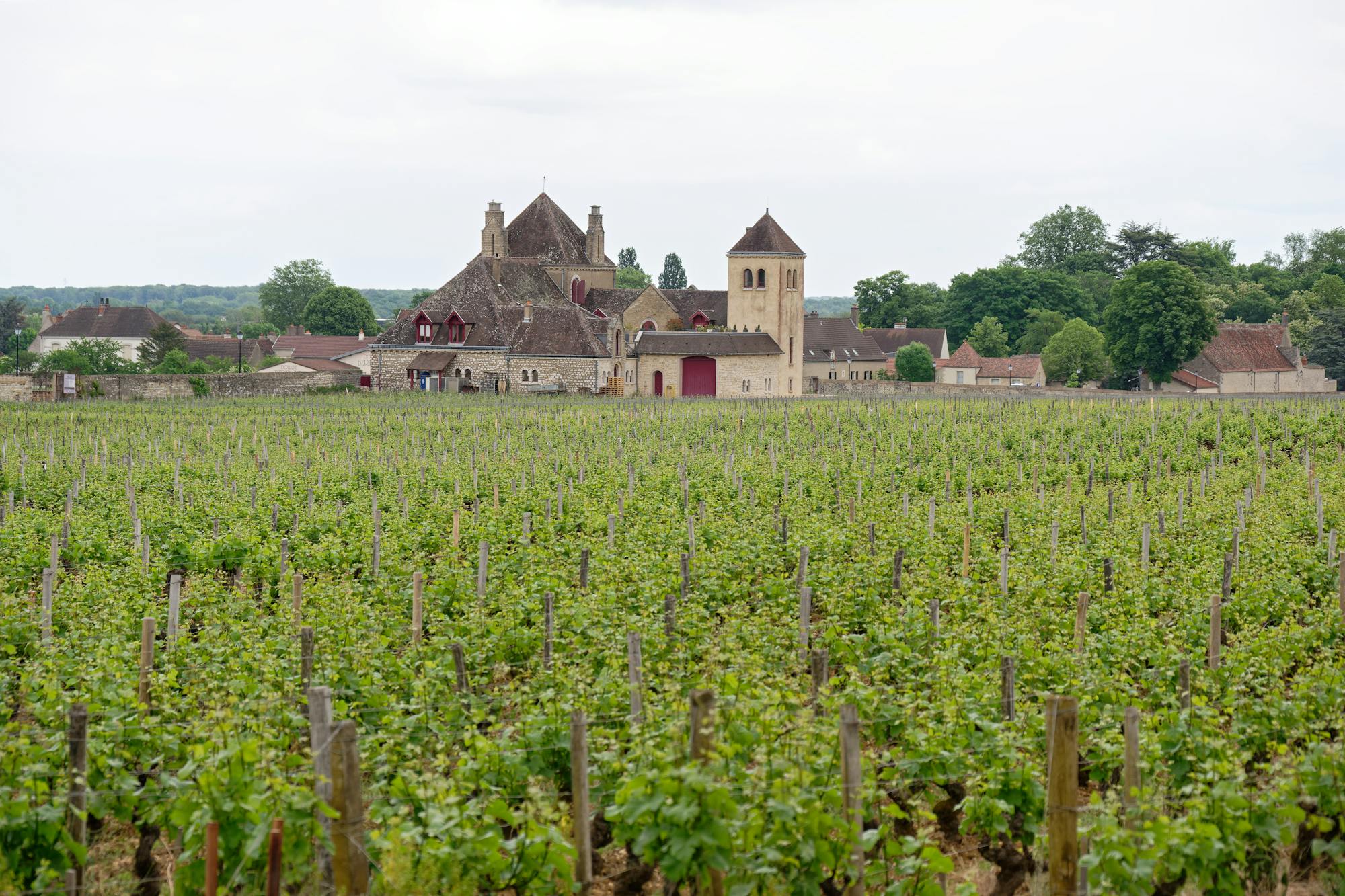
Burgundy (Bourgogne) is the heartland of French wine culture — a serene region of rolling vine-covered hillsides, medieval villages, and magnificent Gothic architecture in eastern France, where Pinot Noir and Chardonnay reach their most celebrated expression. Travel here for the wine, stay for everything else.
Burgundy (Bourgogne) is the heartland of French wine culture — a serene region of rolling vine-covered hillsides, medieval villages, and magnificent Gothic architecture in eastern France. This is where Pinot Noir and Chardonnay reach their most celebrated expression, where every village name on a wine label tells a story of terroir and tradition. But Burgundy is far more than wine: it's the home of some of France's most extraordinary Romanesque abbeys, the medieval ducal capital of Dijon, and a Canal de Bourgogne that winds past lock-keepers' cottages through some of the country's most gentle, beautiful countryside. Travel here for the wine, stay for everything else.
Top Attractions
Dijon, the regional capital, is a remarkably well-preserved medieval city with a magnificent Ducal Palace (now housing the outstanding Musée des Beaux-Arts), the covered Marché Central, and the famous Rue de la Liberté for Dijon mustard shopping. The Côte d'Or wine route — the "Golden Slope" — stretches south from Dijon through Gevrey-Chambertin, Vougeot, Vosne-Romanée, and Beaune, each village name representing wines worth hundreds or thousands of euros per bottle. Stop at the Château du Clos de Vougeot, a magnificent 12th-century château in the middle of a premier cru vineyard, now open for tours. Beaune is the unmissable wine capital of Burgundy, built around the extraordinary Hôtel-Dieu — a 15th-century hospital with a spectacular polychrome tile roof, now a museum housing Roger van der Weyden's altarpiece. Vézelay, a UNESCO World Heritage hilltop village, contains one of the finest Romanesque basilicas in France, the Basilique Sainte-Marie-Madeleine, perched dramatically above the Cure valley.
Local Culture and Food
Burgundy's cuisine is as celebrated as its wine. The region's signature dishes include boeuf bourguignon (beef braised in red wine with lardons and mushrooms), coq au vin, escargots de Bourgogne (snails in garlic-parsley butter), and gougères (cheese choux pastry puffs, the traditional accompaniment to wine tasting). Dijon mustard — sharp, creamy, and world-famous — is a condiment and cooking ingredient that features in dozens of local dishes. Époisses, a pungent washed-rind cow's cheese from the village of Époisses, is considered one of France's greatest cheeses. The annual Beaune Wine Auction in November draws bidders from around the world. Burgundy's morning markets — especially in Beaune and Dijon — are outstanding for local produce, cheeses, and charcuterie.
Day Trips and Excursions
From Beaune or Dijon, the Côte Chalonnaise wine region just south offers excellent Mercurey and Givry wines at far lower prices than Côte d'Or grands crus — ideal for serious wine lovers on a budget. The Abbaye de Fontenay, a perfectly preserved 12th-century Cistercian abbey in a wooded valley near Montbard, is a UNESCO World Heritage site of extraordinary tranquillity. The Canal de Bourgogne is ideal for cycling or barge holidays — rent a bike in Tonnerre and cycle the towpath south past lock-keepers' houses and sunflower fields. The medieval village of Noyers-sur-Serein is one of the most photogenic in France, with intact medieval ramparts and half-timbered houses reflected in the river below.
Practical Tips
Burgundy is best explored by car — public transport between wine villages is limited. Dijon is 1.5 hours from Paris by TGV and makes an excellent base. The wine route (D122) south from Dijon is easily cycled between most villages. Wine tasting is central to any Burgundy visit: most domaines (wine estates) accept visitors by appointment, and the tourist offices in Beaune and Dijon can help arrange visits. Burgundy wines are expensive — budget at least €25–40 for a decent bottle; grands crus start at hundreds of euros. The best value is Burgundy's excellent village-level appellations. Pack layers — Burgundy winters are cold and summers can be very warm.