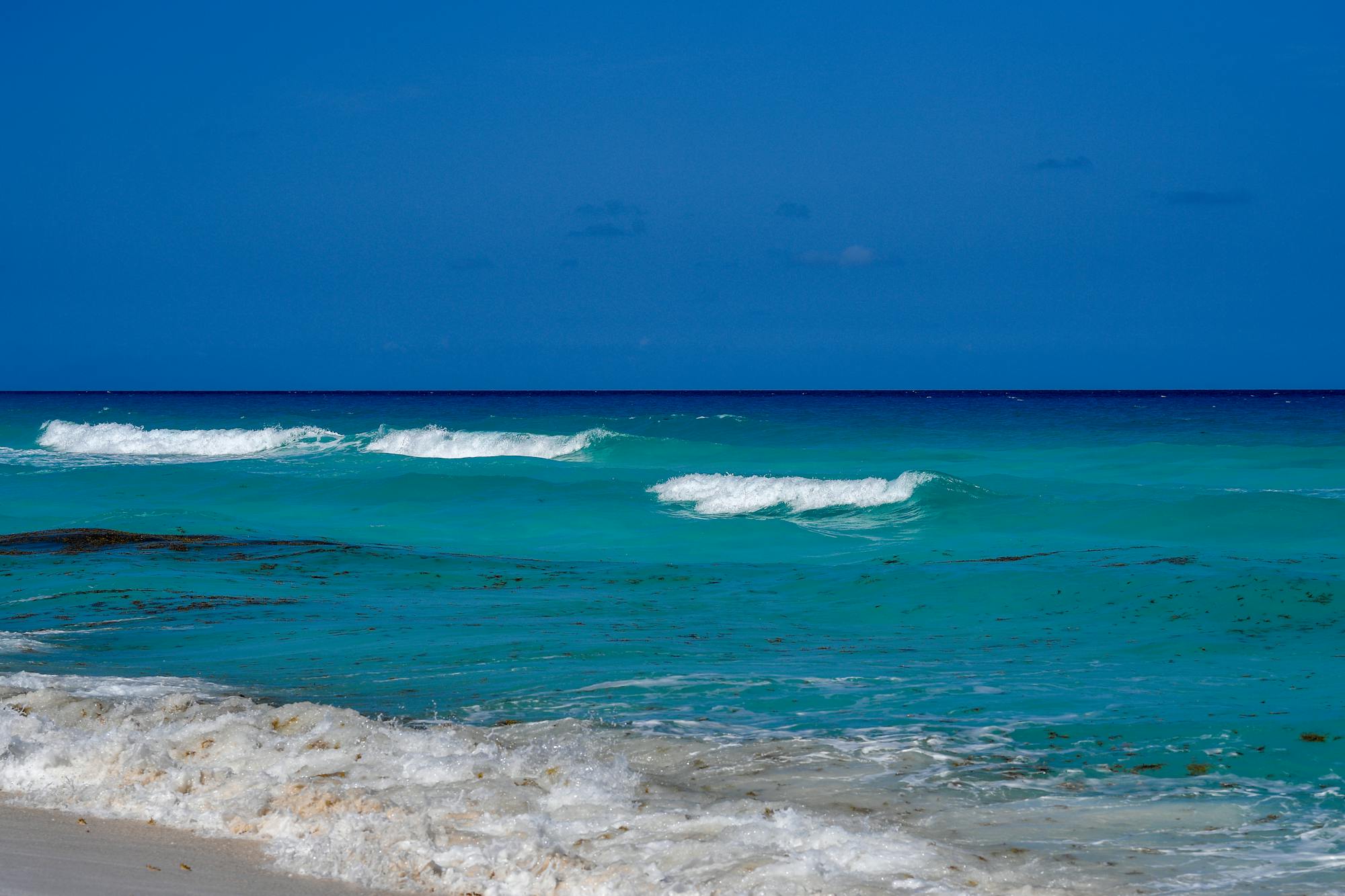
Cancún is the Caribbean gateway of Mexico — a destination where turquoise waters so vivid they seem unreal wash against powder-white beaches, where ancient Maya ruins crown dramatic clifftops above the sea, and where the world's second-largest coral reef system lies just offshore waiting to be explored. Beyond the famous Hotel Zone with its string of resorts and nightclubs, Cancún is the launching pad for extraordinary adventures throughout the Yucatán Peninsula.
Things to Do in Cancun: Top Attractions
The Hotel Zone (Zona Hotelera) stretches 22km along a narrow barrier island with the Caribbean Sea on one side and Nichupté Lagoon on the other — the public beaches here, including Playa Delfines and Playa Forum, are among the finest in Mexico. Isla Mujeres, a short ferry trip from the Puerto Juárez ferry dock, is a charming small island reached by a scenic boat ride, with car-free streets, excellent snorkeling at the MUSA underwater sculpture museum, and some of the most beautiful water in the region. The Mesoamerican Barrier Reef, the world's second longest, runs the entire Yucatán coastline — excellent snorkeling and diving sites are accessible from Cancún, Playa del Carmen, and Cozumel, with chances to see tropical fish and other marine life. El Rey Ruins in the Hotel Zone are a small but atmospheric Maya archaeological site. Xcaret, a large adventure park south of Cancún, offers an all-day immersion in Maya culture, wildlife, underground river swimming, and exhibits that bring the ancient Mayan civilisation to life, including recreations such as a Mayan village.
Unique Experiences: Exploring Ancient Mayan Ruins
Cancún offers experiences that range from the adventurous to the extraordinary. Whale shark snorkeling (June–September) off Isla Holbox and Isla Mujeres offers close encounters with whale sharks, the world's largest fish — gentle plankton-feeders that reach 12 meters in length. Swim in a cenote — the Yucatan Peninsula is riddled with these magical underground freshwater sinkholes that the Maya considered sacred entrances to the underworld. The wider yucatan peninsula is also ideal for day trips focused on ruins, cenotes, and nature excursions. A cenote is also perfect for a refreshing swim. Top cenotes near Cancún include Ik Kil near Chichén Itzá, Dos Ojos, and the Gran Cenote near Tulum, and a guided tour can make it easier to pair them with transport or nearby ruins. Visit the Tulum ruins and other nearby archaeological sites — Tulum is one of Mexico's most dramatically situated ancient Mayan ruins, where a walled Maya city perches above turquoise Caribbean waters, with ancient pyramids elsewhere in the region adding to the broader Maya story. Near Tulum, the sian kaan biosphere reserve is known for lagoons and jungle trails. At night, explore Cancún's legendary nightlife along Kukulcán Boulevard at Coco Bongo, where live shows can include Michael Jackson tribute-style performances alongside the high-energy party atmosphere.
Day Trips from Cancún: Isla Mujeres Adventures
Cancún's Yucatán Peninsula location makes it one of Mexico's best bases for an easy day trip across the region, with plenty of hidden gems along a scenic road trip route. Chichén Itzá, a UNESCO World Heritage Site, one of the New Seven Wonders of the World, and among the famous Mayan ruins, is 3 hours by bus, where El Castillo is the main pyramid most visitors come to see, along with the sacred cenote that adds to the site's historical significance. For visiting Chichen Itza, an early departure or organized day tour helps you avoid the worst heat and crowds. Tulum, about 90 minutes south in the Riviera Maya, combines magnificent cliff-top ruins with an excellent beach club scene and boutique hotels. Cobá offers a still-climbable Maya pyramid rising above the jungle canopy with panoramic views. Valladolid, a beautiful colonial city halfway to Chichén Itzá, has excellent cenotes and a great introduction to local cuisine. Playa del Carmen, 68km south, is a livelier alternative base with excellent restaurants and the famous 5th Avenue pedestrian strip. Puerto Morelos is a relaxed alternative for snorkeling and a quieter coastal stop. Unico Beach is a laid-back seaside stop there, and some evenings feature live music. Isla Mujeres also makes an easy add-on, with Playa Norte standing out for its white sand beaches, and a golf cart is a common way to explore the island.
Food and Culture: Discovering Street Food
Cancún's food scene and local culture go well beyond tourist-oriented resort buffets, with genuinely excellent Mexican cuisine across the city. For authentic food, head to Downtown Cancún, also known as downtown Cancun and Cancun downtown, where local restaurants and street food spots serve superb Yucatecan specialties at a fraction of resort prices. Must-try dishes include cochinita pibil (slow-roasted pork in achiote and sour orange), sopa de lima (tangy lime soup with chicken and crispy tortilla strips), and poc chuc (grilled marinated pork). The Mercado 28 in downtown is an excellent market with multiple food stalls offering affordable, authentic Yucatecan cooking, and nearby street art murals and souvenir shops add to the experience. It's also a good place to try local food beyond resort restaurants. Downtown Cancun also has numerous restaurants beyond the resort strip. Fresh ceviche and seafood are outstanding throughout the region.
Practical Tips
Cancún's Hotel Zone prices in Cancun Mexico are significantly higher than downtown or other Yucatán towns, especially in the Cancun Hotel Zone. The R1 bus runs the full length of the Hotel Zone and into downtown for just 12 pesos — one of the best travel bargains in Mexico. Use Google Maps to navigate between the Hotel Zone, downtown, and local restaurants. Many of Cancún’s popular beaches and beautiful beaches are concentrated along this strip, and Playa Delfines Beach is one of the easiest public stops to add to your route. All-inclusive resorts are dominant here — if you stay all-inclusive at an inclusive resort, consider what you might miss by spending your whole trip on-property instead of eating at excellent local restaurants. Some packages also include unlimited drinks, so compare overall value carefully. Sun protection is non-negotiable at this Caribbean latitude. US dollars are widely accepted in the Hotel Zone but you'll get better rates paying in pesos. Hurricane season runs June–November — travel insurance is advisable for Caribbean trips during these months.