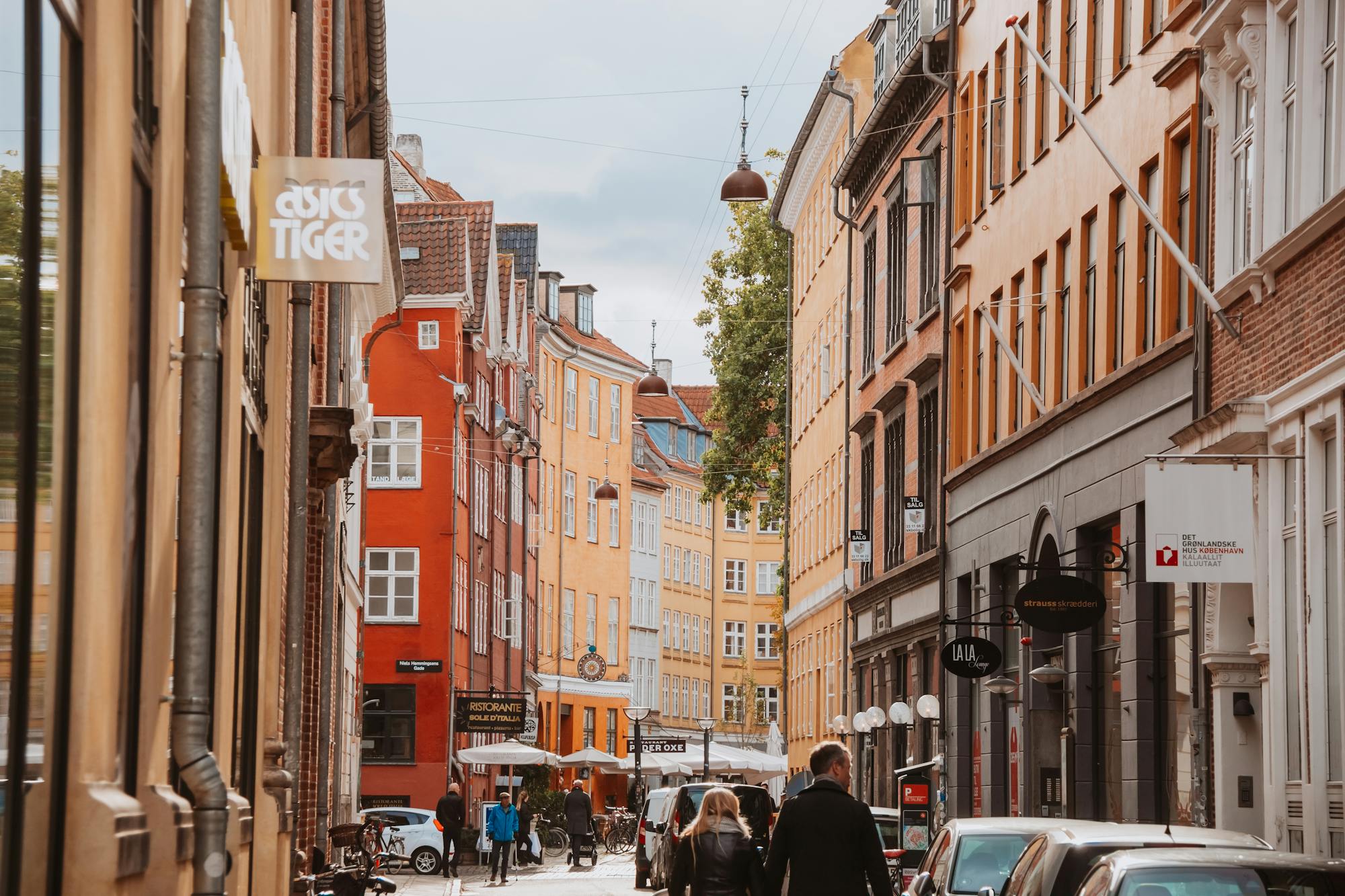
Copenhagen is a city that perfected the art of living well long before the concept of hygge became a global export. Denmark's compact, cycling-friendly capital sits on the eastern coast of Zealand, connected to Sweden by the Øresund Bridge, and manages to be simultaneously one of the world's most innovative and one of its most comfortable cities.
Copenhagen is a city that perfected the art of living well long before the concept of hygge became a global export. Denmark's compact, cycling-friendly capital sits on the eastern coast of Zealand, connected to Sweden by the Øresund Bridge, and manages to be simultaneously one of the world's most innovative and one of its most comfortable cities. The colourful 17th-century townhouses along Nyhavn canal, the magical Tivoli Gardens, and the world-renowned restaurant scene (Noma put Copenhagen on the global culinary map and the ripple effect continues) make this a destination that rewards both the cultural tourist and the dedicated food traveller. It's also arguably the world's greatest cycling city.
Things to Do in Copenhagen: Iconic Landmarks and Museums
Things to do in Copenhagen range from classic sights like Tivoli Gardens and Nyhavn to major museums, bike-friendly neighborhoods, harbour activities, and a food scene that runs from street food to Michelin dining. If you want a polished, time-efficient plan for Denmark’s capital—especially if you prefer curated, high-quality experiences over generic sightseeing—this guide focuses on the places, neighborhoods, restaurants, outdoor spots, and practical tips that help you shape a memorable trip.
Tivoli Gardens, the world's second-oldest amusement park (opened 1843), is one of Copenhagen's most beloved institutions — visit Tivoli Gardens for its mix of fairground rides, lush gardens, multiple restaurants, and live music, with Christmas markets adding extra appeal later in the year, creating a uniquely enchanting atmosphere both by day and when illuminated at night. Nyhavn (New Harbour) — the postcard image of Copenhagen, with colorful buildings from the 17th and 18th centuries reflected in the canal — is primarily a tourist and dining area but undeniably beautiful. The National Museum of Denmark (Nationalmuseet) contains the world's best collection of Danish prehistory including the stunning Sun Chariot (Solvognen) from 900 BC, and is especially valuable for understanding Denmark's Viking history and broader Danish history. The Ny Carlsberg Glyptotek is another major museum stop in Copenhagen, Denmark, known for its ancient and modern art collections. The Louisiana Museum of Modern Art, 35km north of the city in Humlebæk, is Scandinavia's finest contemporary art museum — its dramatic clifftop position overlooking the Øresund makes it as architecturally remarkable as its collection, and an easy day trip from the Danish capital. The Christiansborg Palace houses the Danish Parliament (Folketing) and the Royal Reception Rooms — the tower offers Copenhagen's best panoramic view.
Beyond the major sights, you’ll find design-led shopping, parks and waterfront swims, nightlife, and local experiences that make Copenhagen easy to tailor to a romantic break, culture-focused long weekend, or luxury city escape. Expect coverage of iconic landmarks, museums, neighborhoods, outdoor activities, food and drink, and smart transport and budget advice, so you can visit Copenhagen with a clear sense of what to prioritize in a few hours, a weekend, or a longer stay.
Neighborhoods Worth Exploring: Meatpacking District and More
Nørrebro is Copenhagen's most vibrant and multicultural neighbourhood — the shopping street Jægersborggade is lined with independent ceramics studios, coffee roasters, and natural wine bars; the Assistens Cemetery (where Hans Christian Andersen and Søren Kierkegaard are buried) is a remarkably pleasant park. Vesterbro, formerly Copenhagen's red-light district, is now the city's trendiest neighbourhood — the Meatpacking District (Kødbyen) houses art galleries, bars, and Copenhagen's most creative restaurants. Frederiksstaden is the city's neoclassical royal quarter, centred on Amalienborg Palace, home of the danish royal family, a royal palace complex tied to the royal family and known for the changing of the guard daily at noon, and the Marble Church (Marmorkirken). Nearby, rosenborg castle in king's garden is an easy stop for Danish royal history and the danish crown jewels.
Nyhavn is the postcard-pretty canal district, where historic wooden ships sit in the harbour below rows of colorful buildings. Ny Carlsberg Glyptotek is one of the city's best art museums. It features works by Monet and van Gogh. Louisiana Museum of Modern Art is a popular day trip from Denmark's capital. Designmuseum Denmark showcases Danish design history. Together, these are some of the major sights people prioritize when they visit Copenhagen.
Outdoor Activities and Parks: Tivoli Gardens and Beyond
Cycling is the definitive Copenhagen outdoor activity — the city has 390km of cycling lanes and 62% of residents commute by bike. Rent from Baisikeli or Copenhagen Bicycles near Nyhavn and join the flow on protected bike lanes, which helps make this flat Copenhagen ride experience easy and safe for most visitors. Cyclists follow the same rules as traffic, including stopping at traffic lights. The Frederiksberg Gardens surrounding Frederiksberg Palace are the finest formal gardens in Denmark, and the nearby botanical garden is another easy green stop if you want a quieter stroll. Swimming in Copenhagen's harbour baths — floating pontoon pools at Islands Brygge and Nordhavn with direct harbour water access — is a quintessentially Copenhagen summer experience and especially fun on a sunny day. Kayaking through the city's canals from the Kayak Republic is brilliant for seeing the waterways from water level, and a guided canal tour is a good alternative if you do not want to paddle, with views toward the opera house and the little mermaid statue. If you want a deep dive beyond the water, visit Copenhagen on foot through Indre By, the city center and a practical base ideal for first-time visitors. Vesterbro offers a hip vibe near the city center. Christianshavn is worth adding for its picturesque canals and historic houses. Its baroque church, the Church of Our Saviour, is known for a spiral tower with panoramic views. Nearby, Freetown Christiania is the city's free town, a self-proclaimed autonomous community founded in 1971. It is also known for colorful street art and DIY architecture. Christianshavn is well suited to a walking tour if you only have few hours. In Frederiksstaden, the Marble Church stands out for one of the largest domes in Scandinavia.
Food, Drink, Nightlife, and Cafe Hopping
Copenhagen has one of Europe’s most exciting food scenes. Noma (now closed in its original form but its alumni have opened dozens of excellent restaurants) catalysed a New Nordic food movement that has transformed Danish cuisine — rye bread, fermented vegetables, foraged herbs, and exceptional seafood define the contemporary approach, alongside Danish classics. There are also many restaurants across the city, from tasting-menu destinations to casual neighbourhood spots. The Torvehallerne food market near Nørreport station is the finest indoor market in Scandinavia, functioning as a top food hall as well as a market — excellent for coffee, smørrebrød (open faced sandwiches), and quality produce. For street food, Reffen on Refshaleøen is the city’s standout waterfront option with a broad mix of vendors. Copenhagen's natural wine scene in Nørrebro is excellent, and stopping at a cozy wine bar fits naturally into an evening there, with that warm, relaxed feel tied to the danish concept of hygge; the craft beer culture is strong — Mikkeller Bar in Vesterbro is a global pilgrimage for beer enthusiasts. Cafe hopping is also a great way to experience the city between meals and late nights, and visit early if you are heading to popular bakeries before the best pastries sell out. If you have a few hours in Refshaleøen, pair Copenhagen Contemporary with lille bakery for art and pastries in one easy outing. Nightlife in the Meatpacking District and Nørrebro runs until 5am on weekends, but if you only want the major sights and a relaxed meal, it is still easy to visit copenhagen well without staying out late.
Practical Travel Tips
The Copenhagen Card covers unlimited public transport (metro, trains, harbour buses) plus free entry to over 80 attractions including Tivoli, which can help you save money on attractions and transport during a Copenhagen trip. For popular restaurants, plan ahead and book early. Copenhagen is expensive — a coffee typically costs 40–60 DKK (€5–€8), and a restaurant dinner 200–400 DKK (€27–€54) per person. The Danish currency is the Krone (DKK) — not the Euro. English is spoken fluently by almost everyone. Cycling infrastructure is world-class — rent a bike for at least one day. The Copenhagen Metro runs 24 hours and is easy to navigate, making the central area ideal if you want to explore Copenhagen efficiently. Most major attractions outside Tivoli are clustered near City Hall in the city center, with many of the main sights across Copenhagen's city center also within walking distance. That makes central Copenhagen a practical base for a short winter trip as well.