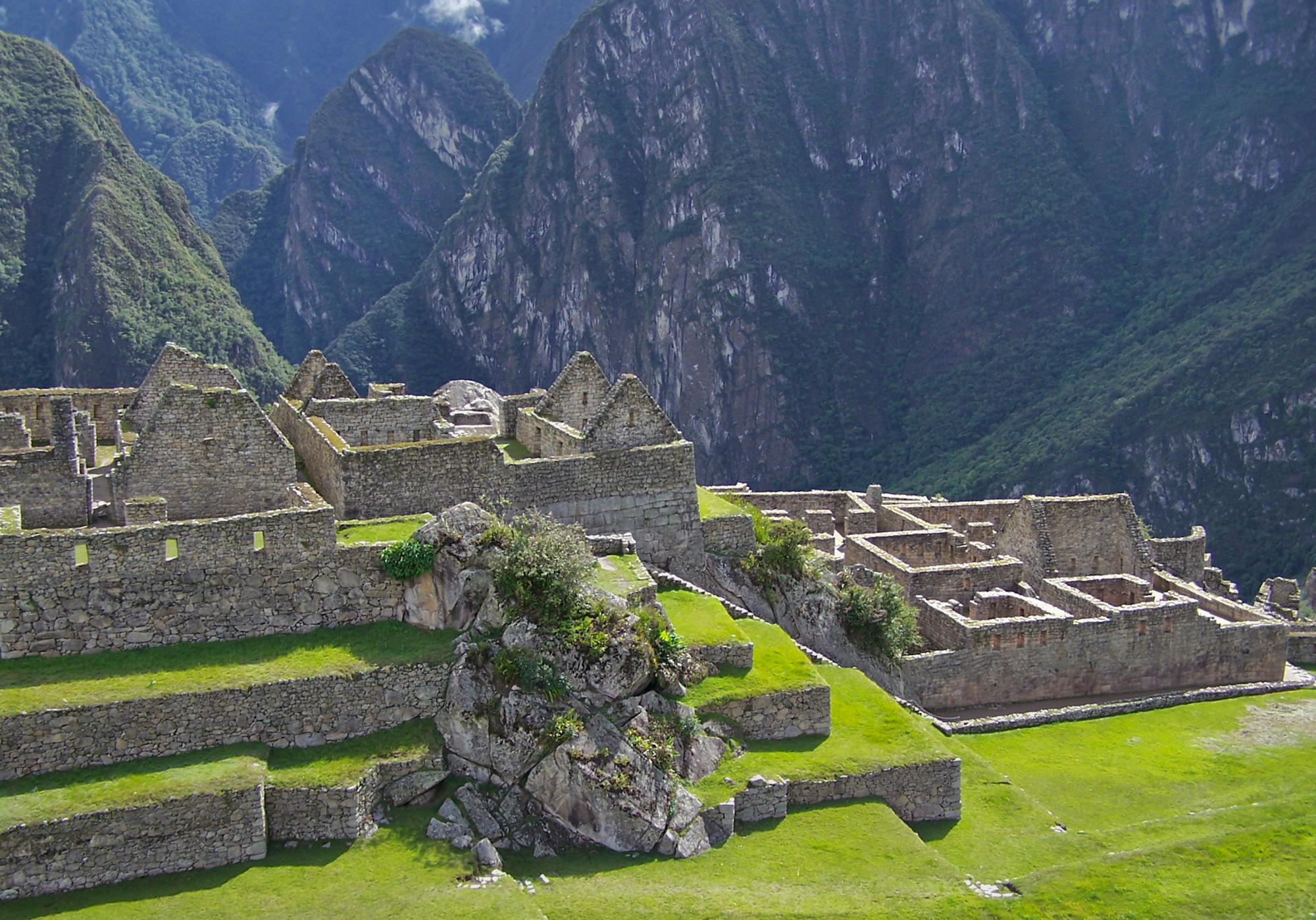
Cusco is one of the most extraordinary cities in the Americas — the ancient capital of the Inca Empire, sitting at 3,400 metres above sea level in the Peruvian Andes. Its cobblestone streets, built atop massive Inca stone foundations, weave through a city where Spanish colonial baroque churches rise directly from pre-Columbian walls. Today Cusco is the starting point for the world's most famous trek — the Inca Trail to Machu Picchu — and one of South America's most visited destinations.
Things to Do in Cusco: Top Attractions
Machu Picchu is the undisputed highlight of any visit to Cusco. The 15th-century Inca citadel, perched on a cloud-forest ridge at 2,430 metres, is one of the world's great archaeological wonders. Reached by a 3.5-hour train journey from Cusco to Aguas Calientes followed by a 25-minute bus ride up the mountain, it can be visited as a long day trip or with an overnight stay in Aguas Calientes. Entry is timed and capped — book tickets months in advance. The site is best explored with a licensed guide who can explain the astronomical alignments, agricultural terraces, royal palaces, and Temple of the Sun.
The Plaza de Armas is Cusco's magnificent central square — ringed by colonial arcades, the imposing Cusco Cathedral (built 1559–1654 atop the palace of Inca Viracocha), and La Compañía de Jesús church. The cathedral houses one of the finest collections of colonial art in Peru, including the famous "Last Supper of Cusco" painting depicting guinea pig (cuy) being served. The square is the social heart of the city and particularly stunning at dusk when illuminated.
The Sacsayhuamán fortress, located just 2 km above the city centre, is one of the most impressive examples of Inca masonry anywhere. Its massive zigzag walls feature stones weighing up to 125 tonnes fitted with extraordinary precision. The views of Cusco below and the surrounding mountains are spectacular. Entrance is included in the Cusco Tourist Ticket (Boleto Turístico).
Unique Experiences When You Visit Cusco
The Sacred Valley (Valle Sagrado) stretches northwest of Cusco, the former capital of the Inca Empire, for about 60 kilometres along the Urubamba River and continues that history through some of the finest Inca sites outside Machu Picchu, set in the Andes Mountains. Pisac, at the valley's eastern end, offers both a spectacular hilltop archaeological complex and a famous Sunday craft market. Ollantaytambo, at the valley's western end, features an intact Inca town — still inhabited — and a dramatic terraced fortress. The valley floor is dotted with Inca agricultural terraces, villages, and the Maras salt mines. Most visitors do the valley as a guided tour from Cusco, and a knowledgeable tour guide adds useful context at the archaeological sites.
The San Pedro Market (Mercado de San Pedro) near the main square is Cusco's most authentic food and craft market. Sample chicha morada (purple corn drink), freshly squeezed juices, empanadas, and all manner of Andean produce. Nearby, the San Blas neighborhood is Cusco's artisan quarter — a hillside warren of narrow streets lined with ceramics workshops, weaving studios, and excellent restaurants.
For those seeking deeper adventure, the Classic Inca Trail (4 days, 3 nights, 45 km) remains one of the world's great treks — following the original Inca road through cloud forest, high mountain passes, and multiple archaeological sites before arriving at Machu Picchu at sunrise through the Sun Gate. Permits must be booked months in advance and are strictly limited to 500 people per day including guides and porters.
Day Trips from Cusco: Sacred Valley
Rainbow Mountain (Vinicunca) has become one of Peru's most photographed sites — a 5,200-metre mountain rising high above sea level, with extraordinary striped mineral deposits creating bands of red, purple, gold, and green across its flanks. It requires a predawn start from Cusco, a 2.5-hour drive, and a 2-hour high-altitude hike. The experience is strenuous but unforgettable, and should be attempted only after acclimatizing to Cusco's altitude for at least 2 days; many visitors also drink coca tea before or after high-altitude outings.
Choquequirao, accessible only by a 2-day trek (4 days return), is often described as the next Machu Picchu — a massive Inca site covering 1,800 hectares that receives a tiny fraction of Machu Picchu's visitors. Moray and Maras make an excellent half-day trip from Cusco — Moray's circular agricultural terraces (used as a crop laboratory by the Incas) and Maras' Inca salt pans are among the most visually striking sites in the Sacred Valley.
Food and Culture: San Pedro Market
Cusco's culinary scene has evolved dramatically. The city now has several world-class restaurants offering modern Andean cuisine alongside traditional local staples. Cuy (roasted guinea pig) is the classic Andean delicacy and found on almost every local menu. Lomo saltado, alpaca steak, and trucha (river trout) are other staples. The Mercado Central in San Pedro is the best place for cheap, authentic Peruvian breakfasts and lunches, with budget-friendly stalls serving delicious food and plenty of chances to try local snacks, including picarones, deep-fried fritters made from sweet potato and squash. Vegetarian travelers should also consider Green Point Restaurant, which has great reviews and offers a vegetarian almuerzo for 30 soles.
The chocolate museum is also worth a stop, and Choco Museo offers a two-hour chocolate workshop in Cusco.
Cusco's Inti Raymi festival (Festival of the Sun), held on June 24, is one of the most spectacular traditional celebrations in South America. Thousands of performers in elaborate Inca costumes re-enact the ancient winter solstice ceremony at Sacsayhuamán fortress. It draws enormous crowds — accommodation must be booked many months in advance. Limbus Restobar offers stunning views of Cusco and is a great place to try a pisco sour. Cusco's nightlife is vibrant and attracts many travelers, with popular clubs including mama africa and Chango. Loki and Wild Rover are known as party hostels in Cusco. In San Blas, bars often feature live music.
Practical Tips for High Altitude
Altitude sickness: Cusco sits at 3,400m — altitude sickness (soroche) is a real concern. Spend at least 2 days acclimatizing before strenuous activity. Drink coca tea, avoid alcohol, and take it easy on arrival.
Cusco Tourist Ticket: The Boleto Turístico (approximately $40) covers entry to 16 sites including Sacsayhuamán, Pisac, Ollantaytambo, and Tipon. Worth purchasing if visiting multiple sites.
Machu Picchu tickets: Book online at machupicchu.gob.pe months in advance — entry is strictly capped and often sells out.
Best season: May–October (dry season) for trekking; June–August is busiest, while April–May and September–October are shoulder season. November–April is wetter but greener and cheaper.
Getting around: The city centre is walkable but hilly, and Google Maps is helpful for walking routes and finding landmarks. Taxis are cheap and readily available for sites outside town. In general, cusco safe applies for most visitors who use common sense, especially in crowded tourist areas.
Viewpoints: San Cristóbal Viewpoint is about a 20-minute walk from Plaza de Armas, and the Santa Ana Viewpoint offers an alternative view of Cusco. For a higher lookout, cristo blanco is an 8-meter-tall statue overlooking the city, reached by about a 1.5-kilometer uphill walk.