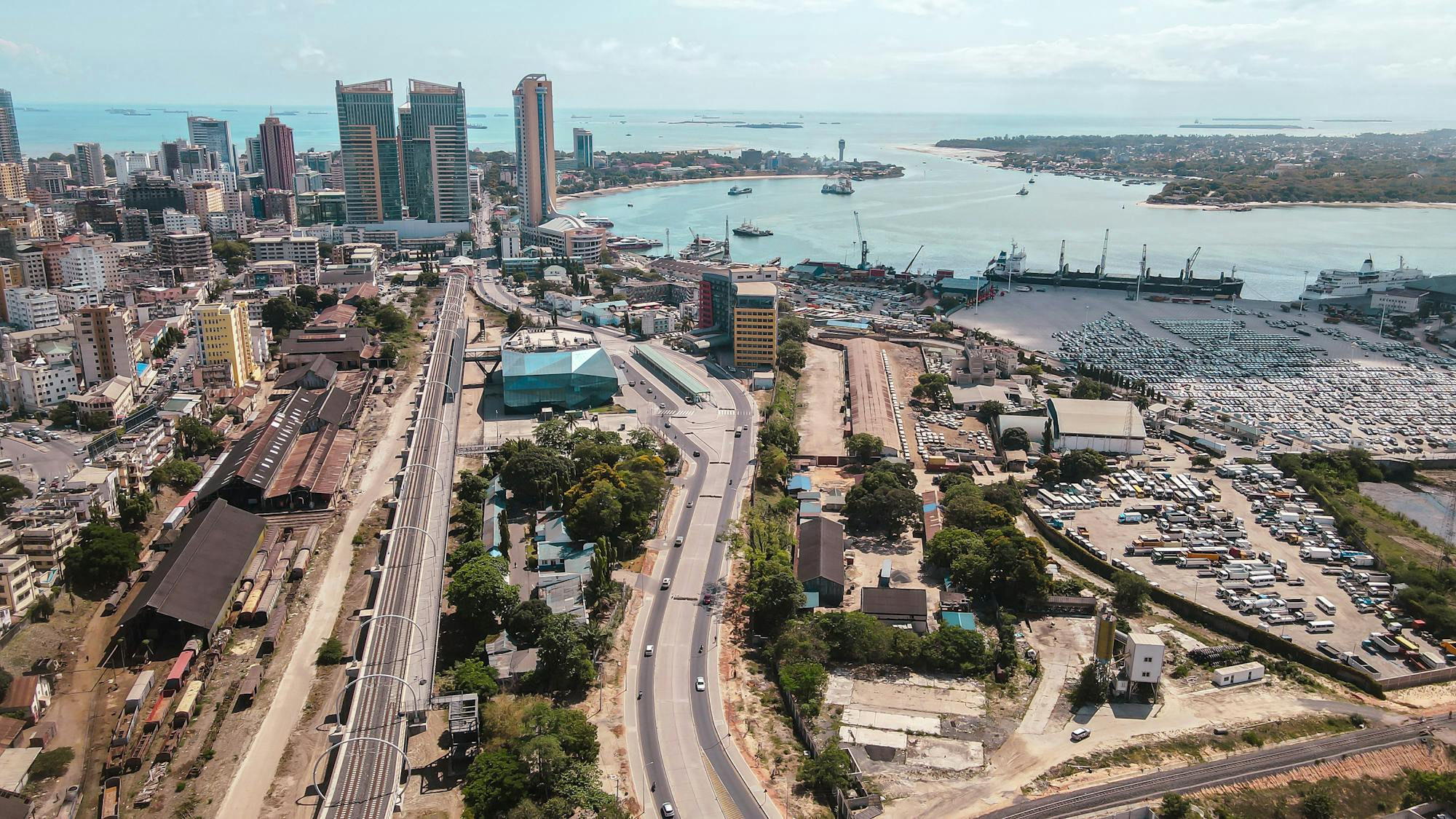
Dar es Salaam — "Haven of Peace" in Arabic — is Tanzania's largest city and its beating commercial and cultural heart. Stretching along a natural deep-water harbour on the Indian Ocean coast, Dar is a city of contrasts: gleaming skyscrapers alongside colonial-era buildings, a bustling Asian quarter redolent with spice, vibrant Swahili street life, and beautiful beaches just minutes from the city centre.
Dar es Salaam — "Haven of Peace" in Arabic — is Tanzania's largest city and its beating commercial and cultural heart. Stretching along a natural deep-water harbour on the Indian Ocean coast, Dar is a city of contrasts: gleaming skyscrapers alongside colonial-era buildings, a bustling Asian quarter redolent with spice, vibrant Swahili street life, and beautiful beaches just minutes from the city centre.
Things to Do in Dar es Salaam: The National Museum and Kariakoo Market
Things to do in Dar es Salaam range from museum visits and busy market walks in the city centre to island beach trips, snorkeling, oceanfront dining, and easy day trips to nearby nature and historic towns, so this guide is for travelers planning a fuller stay in Tanzania’s main gateway city rather than just passing through.
The National Museum of Tanzania on Shaaban Robert Street, in Tanzania's largest city, is the starting point for understanding the history and culture of the country — its collections span palaeontology (including Zinjanthropus, the famous 1.75-million-year-old hominin skull found in the Olduvai Gorge), natural history, Tanzanian independence history, and the German and British colonial periods. Downtown Dar Es Salaam’s Askari Monument honors African soldiers from World War I. St. Joseph Cathedral is a historic Roman Catholic church near the harbour. Some displays also include vintage cars that help illustrate earlier eras. The Village Museum nearby shows what village museum offers through recreated traditional homesteads and performances, making it a rewarding cultural experience for tourists interested in Tanzania's fascinating culture. Kariakoo Market — Dar's vast, chaotic central market in the busy city centre — is one of the city's defining local markets, where small shops sit beside stalls selling fresh produce, spices, textiles, household goods, and street food in a sea of activity, and bargaining can help visitors find the best deals; carrying Tanzanian shillings is useful there.
Beyond these central tourist attractions, Dar opens out toward the harbour islands of Bongoyo and Mbudya for sand, swimming, and snorkeling, the Msasani peninsula and Slipway for sea views, dining, and artisan shopping, and practical connections onward to Zanzibar. For leisure travelers who want a mix of urban culture, coastal downtime, and worthwhile day trips, it also points to places like Pugu Hills Forest Reserve and Bagamoyo, making Dar es Salaam one of East Africa’s most useful bases as well as a destination in its own right.
The Harbour Islands
Dar es Salaam's harbour shelters several small nearby islands with easy access by speedboat or dhow, making them a strong option for beach holidays and some of the best beach and snorkelling experiences on the Tanzanian mainland coast. Bongoyo Island (30 minutes by speedboat from the Slipway) has pristine beaches, good snorkelling on its coral reefs, and excellent day-trip facilities, with boat trips and island trips among the easiest escapes to nearby beaches. Mbudya Island is a protected marine reserve with outstanding snorkelling among coral gardens. Pangavini Island is smaller and wilder. Day trips to these islands — typically including speedboat transfer, lunch, and snorkelling equipment — are bookable through most hotels and the Slipway complex in Msasani, and Dar es Salaam offers beautiful beaches for short coastal outings.
Msasani and the Slipway
The Slipway on Msasani Peninsula is one of Dar's most appealing oceanfront areas — a cluster of restaurants, craft shops, art, shops, sea views, a boat launch, and the city's best artisan market. Sunday mornings bring the Slipway Market, with local crafts, jewellery, and fresh produce. Visitors can also enjoy cocktails and seafood at beach bars around the waterfront. Many travelers come here to explore crafts and browse local stalls. The Msasani Slipway Dhow Countries Music Academy nearby nurtures traditional taarab (Swahili music blending Arabic, Indian, and African traditions) — performances are occasionally open to the public. The restaurants and bars around Msasani and Oyster Bay represent the best of Dar's dining scene, with excellent fresh seafood, local cuisine, and local dishes shaped by Indian flavours, all part of Dar's rich blend of food and coastal leisure.
Connecting to Zanzibar from Dar es Salaam
Many travelers visit Dar es Salaam as a gateway to Zanzibar and other safari destinations — either by high-speed ferry (90 minutes, multiple daily departures from the harbour) or by air (20 minutes, several daily flights), with easy onward connections across East Africa. The ferry experience is itself enjoyable — watching Dar's skyline recede as the dhow-dotted harbour opens into the Indian Ocean. The island is also served from Julius Nyerere International Airport by Precision Air and Coastal Aviation multiple times daily. Most Tanzania itineraries combine 1–2 nights in Dar with Zanzibar, beach holidays, and safari destinations; Dar es Salaam is generally safe if travelers use basic precautions.
Day and Island Trips
The Pugu Hills Forest Reserve (25km west) is one of the few remaining patches of Eastern Arc forest near Dar — an extraordinary biodiversity hotspot with endemic birds and butterflies. The Kunduchi Ruins (20km north) are coral-stone mosque and tomb ruins dating to the 15th–17th centuries, set among enormous baobab trees on the coast. Bagamoyo town (75km north) is one of the most rewarding historical sites near Dar es Salaam, with ancient ruins, old churches, and Chuo Cha Sanaa adding to its cultural draw. It also suits travelers who want to see more of the Swahili coast beyond the city.