Delhi, India's sprawling capital, is a city of extraordinary contrasts — where Mughal mausoleums and medieval bazaars coexist with modern metro lines and world-class restaurants. As one of the oldest continuously inhabited cities on earth, Delhi layers thousands of years of history across its neighbourhoods, from the ancient lanes of Shahjahanabad (Old Delhi) to the colonial-era boulevards of Lutyens' New Delhi.
Delhi, India's sprawling capital, is a city of extraordinary contrasts — where Mughal mausoleums and medieval bazaars coexist with modern metro lines and world-class restaurants. As one of the oldest continuously inhabited cities on earth, Delhi layers thousands of years of history across its neighbourhoods, from the ancient lanes of Shahjahanabad (Old Delhi) to the colonial-era boulevards of Lutyens' New Delhi. Whether you're diving headfirst into the sensory chaos of Chandni Chowk or marvelling at the geometric precision of a Mughal garden, Delhi rewards curious travellers with experiences unlike anywhere else on the planet.
Things to Do in Delhi: Top Attractions
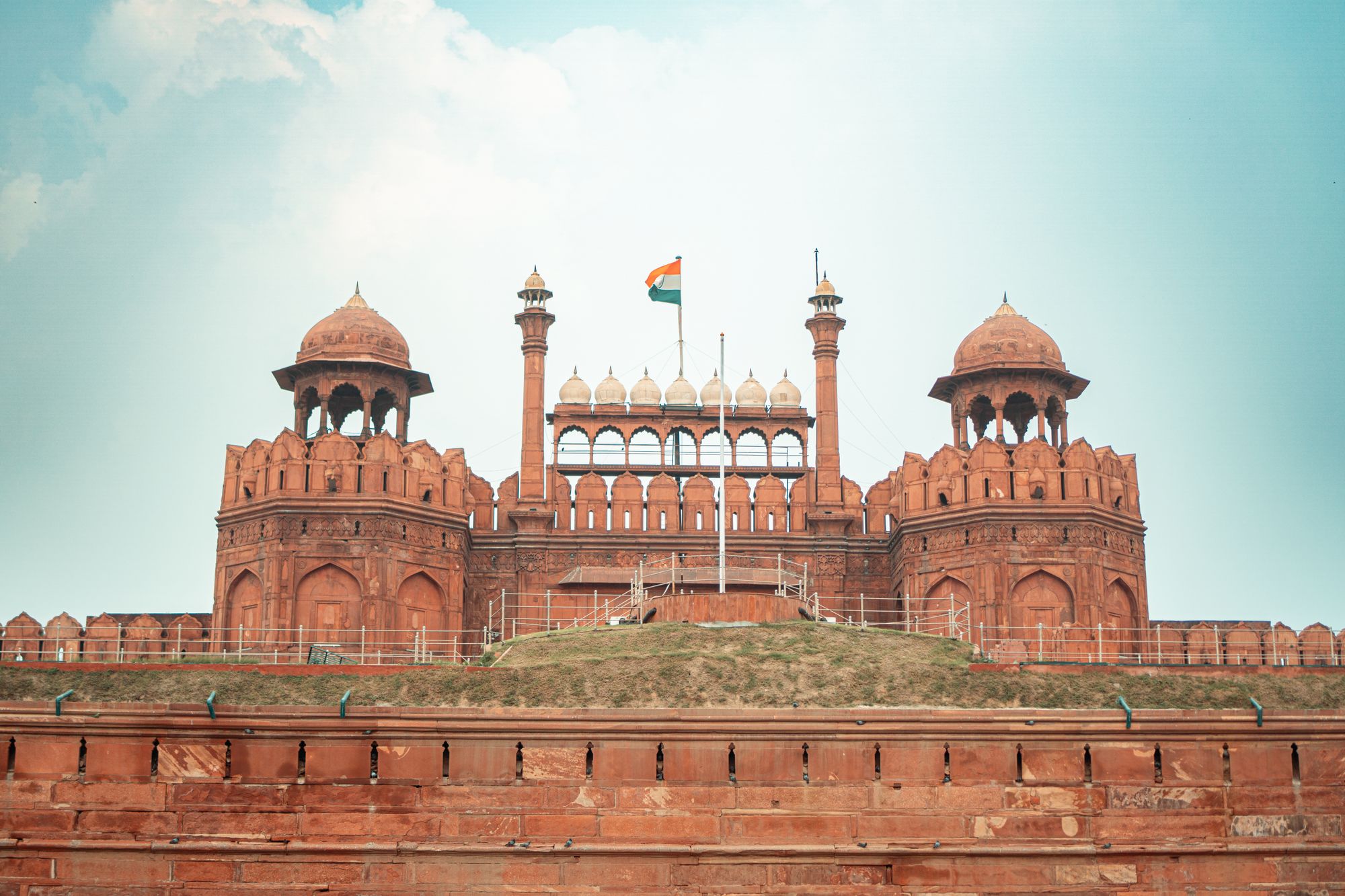
As the capital of India, Delhi is anchored by the Red Fort (Lal Qila), its most iconic landmark — a UNESCO World Heritage Site whose massive red sandstone walls once enclosed the Mughal emperor's palace complex. Built by Mughal emperor Shah Jahan in 1638, the fort remains the venue for India's Independence Day celebrations each August, and its grounds still showcase architectural wonders. Just south of the old city, the Qutub Minar complex contains the world's tallest brick minaret, built in 1193, surrounded by ruins that include an early mosque within the complex. Humayun's Tomb, another UNESCO site, is a red sandstone tomb; the tomb was built as the resting place of the second Mughal emperor, Humayun, and it directly inspired the Taj Mahal. In New Delhi, India Gate stands as a solemn war memorial at the heart of Rajpath (now Kartavya Path), framed by grand imperial avenues. And Chandni Chowk, the main street of the ancient city of Old Delhi, is one of Asia's most atmospheric bazaars, where busy streets weave past spice markets, silversmiths, sweet shops, and street food vendors dating back to the 17th century.
Cultural Experiences: Lotus Temple
Delhi's cultural calendar is relentless. Attend the evening aarti ceremony at the Bangla Sahib Gurudwara, one of the most prominent Sikh temples in India, where langar (community kitchen) feeds thousands daily, though Delhi also has major sites for visitors interested in religious architecture beyond the gurudwara. Akshardham Temple is another standout, with a ridiculous amount of intricate craftsmanship in its carvings, exhibitions, and monumental design. The Lotus Temple, a Bahá'í House of Worship inspired by a lotus flower, reflects the ideals of the Bahá'í Faith and is often paired with other temples in South Delhi. Take a street food walking tour through Parathe Wali Gali and sample paratha stuffed with everything from potato to paneer. Visit the Craft Museum (Bhulabhai Desai Marg) to see artisans demonstrating traditional textile and pottery techniques from across India. For performing arts, the India Habitat Centre and the Kamani Auditorium host classical music, kathak dance, and theatre throughout the year. Evening heritage walks around Mehrauli or Nizamuddin bring Delhi's Sufi musical traditions to life, while South Delhi also offers lush gardens and calmer areas for a walk, with Lodhi Gardens as a favorite example.
Day Trips to UNESCO World Heritage Sites
Delhi's most popular day trip is to Agra (approximately 3 hours by express train), home to the Taj Mahal — quite possibly the world's most beautiful building. The same journey can include Agra Fort and, if time allows, the ghost city of Fatehpur Sikri. Jaipur, the Pink City of Rajasthan, is 4–5 hours away and forms the third point of India's Golden Triangle tourist circuit. Closer to Delhi, Vrindavan and Mathura (2 hours) are sacred Hindu pilgrimage towns linked to the god Krishna, while Sultanpur Bird Sanctuary (50 km) makes an easy half-day escape into nature. For history enthusiasts, the Mughal-era town of Sardhana and the battlefield of Panipat (90 km) offer fascinating glimpses into India's medieval past.
Food Culture and Street Food
Delhi's food scene is arguably one of the city's biggest attractions. In Old Delhi, hunt down the legendary nihari (slow-cooked meat stew) at Karim's near the jama masjid mosque, beneath its towering minarets — a restaurant that has been serving the same recipe since 1913. Dal makhani (creamy black lentils) and butter chicken, both invented in Delhi, are essential orders at any Punjabi restaurant. Chaat — the tangy, sweet-and-spicy snack category — reaches its greatest expression in Delhi, with golgappa (pani puri), papdi chaat, and aloo tikki sold from roadside carts across the city. In Chandni Chowk, breakfast also means chole bhature and other fried bread specialties, showing how indian food here runs from quick snacks to a vegetarian thali. Connaught Place hosts upscale modern-Indian restaurants, while Hauz Khas Village combines medieval ruins with a thriving café and bar scene. Don't leave without trying a glass of lassi from a Chandni Chowk dairy or a kulfi from Roshan di Kulfi in Karol Bagh for a broader taste of the city's culinary range.
Practical Tips for Visiting New Delhi
The best way to navigate Delhi is the Delhi Metro — clean, air-conditioned, and covering most major tourist sites, with easy access to places via stops such as Akshardham station and, in some neighborhoods, a short walk from the metro. Delhi station, especially Old Delhi Station, is also a useful arrival point for exploring Chandni Chowk and nearby landmarks. Pre-paid autorickshaw and taxi counters outside metro stations offer fixed-rate rides to avoid haggling; in many markets, bartering is the one word to remember. Dress modestly when visiting religious sites — cover your head at gurudwaras and remove shoes at temples, mosques, and shrines. A local sim card also makes navigation and ride-booking apps much easier. The Qutub Minar and Humayun's Tomb have different ticket prices for Indian and foreign nationals; keep small denomination rupees handy. Carry bottled water at all times and stick to freshly cooked street food rather than pre-prepared items in summer. Touts around major monuments can be persistent — a polite but firm "no thank you" is usually sufficient. The currency is the Indian Rupee (INR); ATMs are widely available. Avoid travelling during peak summer (May–June) when temperatures can exceed 45°C. Some major sights are also more comfortable to visit in the evening or at night when the heat eases. Near the center, Khan Market and raj ghat are useful location references when moving around New Delhi.