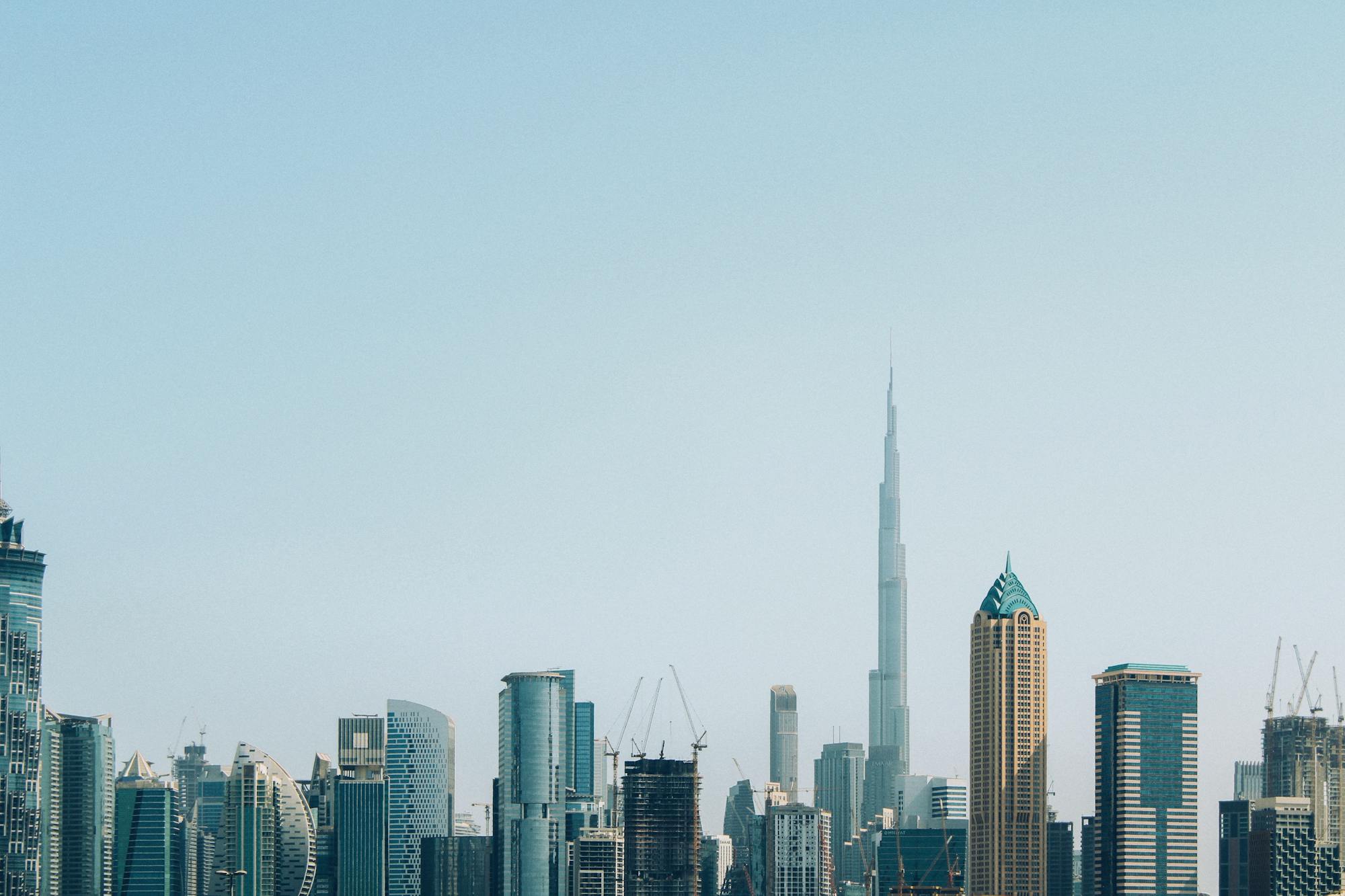
Dubai is one of the 21st century's most audacious urban experiments — a city that has grown from a small pearl-diving settlement to a global metropolis of 3.5 million people in less than 60 years, driven by oil wealth and an extraordinary ambition to be the best at everything. The result is a city of superlatives: the world's tallest building, the world's largest mall, the world's most expensive hotel per night, and man-made archipelagos visible from space. Yet beneath the gleaming towers lies a genuine sense of discovery — a historic Creek lined with traditional dhows, a gold souq that would look at home in medieval Arabia, and a desert that begins where the city ends.
Top Attractions: Things to Do in Dubai
The Burj Khalifa, at 828m the world's tallest building, dominates the Downtown Dubai skyline among the city's most iconic landmarks. The observation deck experiences on floors 124 and 148 (At the Top Sky) offer epic views; the sunset time slot is the most popular and should be booked weeks ahead. The Dubai Frame is an inspired piece of architectural wit — a 150m-high, 95m-wide picture frame straddling old and new Dubai, with views of both the historic city and the modern skyline from a glass-floored sky bridge. The Palm Jumeirah, the world's largest artificial island shaped like a palm tree, is home to the Atlantis Hotel, and its distinctive palm fronds are especially striking from above. Al Fahidi Historical Neighbourhood (Bastakiya) is Dubai's most atmospheric district — a maze of wind-tower houses from the early 20th century now containing galleries, cafes and the excellent Dubai Museum. The Dubai Mall, the world's largest mall by total area, welcomed 105 million visitors in 2023 and houses not just 1,200 shops but also an Olympic-size ice rink, a giant aquarium and the Dubai Fountain show outside. Those dancing fountains are the largest of their kind in the world.
Unique Experiences: Desert Safari
A desert safari — driving across the red-gold sand dunes of the Dubai Desert Conservation Reserve at dusk for dune bashing, a camel ride, sandboarding and a Bedouin-style camp dinner with belly dancing under the stars — is Dubai's most memorable experience outside the city. Many desert camps also run quad-bike sessions across the dunes before the barbecue starts, for an extra dose of speed ahead of the Bedouin-style dinner. Taking an Abra (water taxi) across the Dubai Creek between Deira and Bur Dubai for less than a dirham is the most authentic and atmospheric way to experience the old city. The Dubai Fountain Show, choreographed to music on the lake below the Burj Khalifa every evening from 6pm, is genuinely spectacular and completely free to watch. Dubai Marina is also worth visiting for a yacht tour and waterfront dining. For more adrenaline, the marina zipline reaches speeds of up to 80 km/h. A sunrise hot-air balloon flight over the desert from the outskirts of the city offers extraordinary views of the dunes at first light. Ain Dubai is the world's largest observation wheel at 250 meters, with sweeping views toward the Arabian Gulf. Atlantis Aquaventure is one of the world's largest waterparks, so booking tickets ahead makes sense if you want to try rides like Shark Attack.
Day Trips to Abu Dhabi
Abu Dhabi (1.5 hours south on the E11) is the UAE's capital and home to the Sheikh Zayed Grand Mosque and Louvre Abu Dhabi — ideal for a full-day day trip if you visit Dubai and want an easy trip beyond the city. Al Ain (2 hours) offers oasis gardens, camel markets and ancient forts. Hatta in the Hajar Mountains (1.5 hours) has kayaking on the turquoise Hatta Dam reservoir, mountain biking trails and the historic Hatta Heritage Village. Fujairah on the East Coast (1.5 hours) offers snorkelling and diving in the Gulf of Oman. Self-driving is straightforward on Dubai's well-signed highway network — the E11 runs to Abu Dhabi, the E44 to Hatta — or each route can be booked as a guided day tour with hotel pickup.
Food and Culture: From the Souks to the Shore
Dubai's dining scene spans everything from the Michelin-starred fine dining that arrived with the 2022 Michelin Guide Dubai to century-old family-run cafés in the souks, at every price point. In Old Dubai, the old town around Dubai Creek is home to the Deira Spice Souk, its stalls piled high with saffron, frankincense and dried limes, and the neighbouring Gold Souk, famous for the elaborate gold jewellery filling its shopfront windows. Spend an hour or two wandering the abra docks and narrow lanes, snacking on shawarma and karak tea, before the creekside atmosphere shifts into evening. The La Mer beach district, City Walk, and The Beach are each a lively location for outdoor dining, with The Beach also offering a range of restaurants and entertainment. Al Fanar Restaurant and Arabian Tea House in Al Fahidi serve traditional Emirati dishes — try machboos (spiced rice with meat or fish), harees (a slow-cooked wheat and meat porridge) and balaleet (sweet vermicelli with egg) for a proper introduction to the cuisine. Friday brunch — an institution in Dubai's hotel and restaurant scene — is an extraordinary multi-hour feast spread across dozens of venues and price points. The Dubai Mall's Fashion Avenue wing and the boutiques of City Walk cater to serious luxury shoppers, and the citywide Dubai Shopping Festival each winter adds sales, raffles and nightly fireworks over the Creek.
Practical Tips
Best months: October–April (22–30°C); summers are brutally hot (38–48°C) but heavily air-conditioned. Getting around: The Dubai Metro efficiently connects major attractions, runs along Sheikh Zayed Road, and reaches Dubai Airport; taxis and Uber cover the rest. Public transport also includes buses and water taxis, and hop-on hop-off buses are available for 24, 48 or 72 hours. The Museum of the Future is an iconic landmark along Sheikh Zayed Road, and Mall of the Emirates—with 630 stores and Ski Dubai, a 3000 square meter indoor ski park—is an easy indoor stop to plan for. Dress code: Modest dress in souqs and traditional areas; beachwear for beaches only. Currency: AED; credit cards universally accepted. Alcohol: Visitors can buy alcohol in licensed hotels and some restaurants, but rules are stricter outside those venues. Ramadan: Eating, drinking and smoking in public are prohibited during daylight hours — restaurants screen their windows; the evenings come alive with special Iftar and Suhoor experiences.
Insider tip: Book Burj Khalifa and Museum of the Future tickets online in advance for a lower price than at the door, and choose an early-morning or late-evening slot — sunset bookings carry the steepest premiums and the longest queues.