France's scale is deceptive: a three-hour drive can take you from Alpine glaciers to Mediterranean beaches, from the vineyards of Burgundy to the chalk cliffs of Normandy. It is the world's most visited country for good reason: no other nation packs such a concentration of art, architecture, gastronomy, natural beauty, and cultural richness into a single territory.
Things to Do in France: Top Attractions
Things to do in France range from seeing headline landmarks — the Eiffel Tower, Louvre Museum, Versailles, Pont du Gard, Mont Saint-Michel, and the Loire Valley châteaux — to wine tasting in Bordeaux or Burgundy, cycling through the Loire, and exploring regions as varied as the French Riviera, the Alps, and Corsica. This guide moves from Paris's headline monuments to the vineyard lanes of Burgundy, the lavender plateaus of Provence, and the tidal drama of Mont Saint-Michel — with the practical detail, from train times to market days, to help you plan around them.
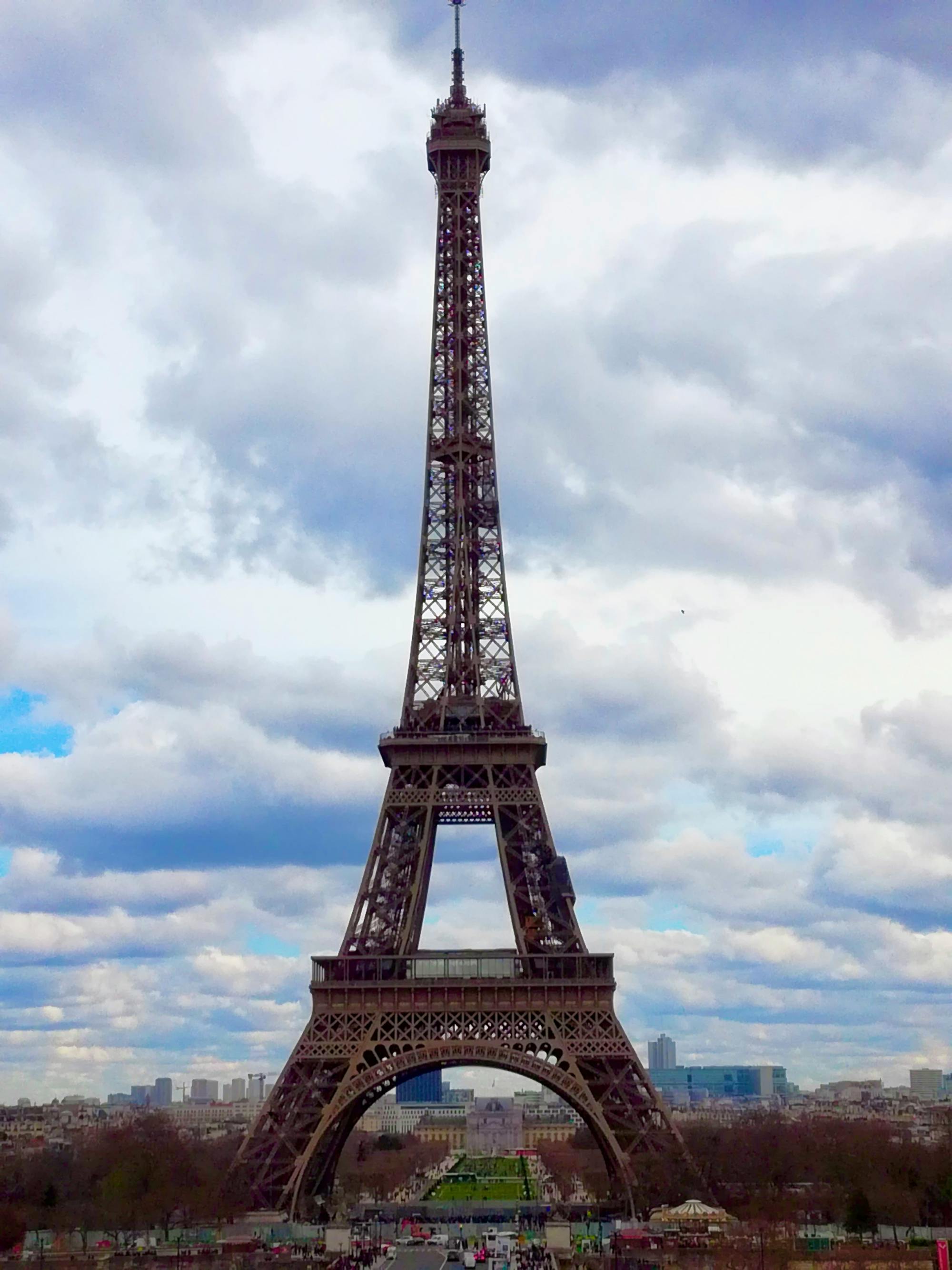
The Eiffel Tower in Paris needs no introduction — but experiencing it at dusk, when the iron lattice glows gold before bursting into its nightly light show, remains genuinely magical. The Louvre Museum, the world's largest art museum, houses over 380,000 objects including the Mona Lisa, Venus de Milo, and Winged Victory — allow at least half a day. Versailles, a 45-minute train ride from Paris, stuns with its Hall of Mirrors, royal apartments, and vast formal gardens; it also housed three French kings, making it one of the country’s defining royal sites — book tickets well ahead. In the south, the Pont du Gard near Nîmes is a perfectly preserved three-tiered Roman aqueduct that stands 49 metres high. Mont Saint-Michel in Normandy — a tidal island monastery rising dramatically from the sea — is one of France's most visually arresting sights. The Loire Valley châteaux stretch for 280 kilometres along the river, with dozens of Renaissance palaces including Chambord, Chenonceau, and Amboise, earning the region its UNESCO World Heritage status.
Signature Experiences Beyond the Landmarks
A wine tour in Bordeaux or Burgundy is among France's finest pleasures. Bordeaux is known as the wine capital of France, with about 60 wine appellations to explore. Visit classified châteaux in the Médoc, attend a harvest (vendanges) in September, or join a Burgundy cellar tour to taste Premier and Grand Cru Pinot Noirs at their source. In Périgord (the Dordogne), known for medieval villages and countryside, take a truffle market tour in winter (November–February) and a foie gras farm visit — controversial but culturally embedded in this region. For an outdoor adventure, cycle the Loire Valley on the Loire à Vélo network: 900 kilometres of signposted riverside routes through vineyards and châteaux at your own pace. In Southern France, a trip along the Canal du Midi is also worth considering; this UNESCO World Heritage site is ideal if you want to explore the countryside at a slower pace. In Southern France, time a visit to the Camargue — Europe's largest river delta — to see wild white horses, flamingos, and vast salt marshes in a landscape unlike anywhere else in France. The French Riviera includes glamorous coastal cities like Nice and Cannes. Near the Mediterranean, Les Calanques National Park is a great place to explore hiking trails and kayaking spots.
Regional Highlights Across France
Paris and its Île-de-France region set the tone for any French itinerary, from the world-class collections of the Louvre and Musée d'Orsay to the covered stalls of the Marché des Enfants Rouges in the Marais and the café terraces of Saint-Germain-des-Prés. Provence and the Côte d'Azur offer lavender fields, Roman ruins, Cézanne's Aix-en-Provence, scenic hilltop villages, the glamour of Nice with the Promenade des Anglais, and Cannes with the Cannes Film Festival, plus the Provençal market tradition at its best in Aix-en-Provence, where stalls fill Place Richelme and Cours Mirabeau on market mornings with cheese, olives, lavender honey and cut flowers. In southern France, the Gorges du Verdon is a dramatic limestone canyon, 25 km long and 700 m deep. Menton also stands out for its Lemon Festival, celebrated since 1934. Brittany delivers rugged Atlantic coastlines, Celtic culture, outstanding seafood (oysters, langoustines, crêpes), and mysterious megalithic monuments at Carnac, and the GR34 hiking trail runs for over 2,000 kilometers along the coast. Alsace along the German border is a fairytale world of half-timbered towns, Christmas markets, and Riesling wine routes, and the Alsace Wine Route is 170 kilometers long. Lyon is known as the gastronomic capital of France, and bouchons serve traditional Lyonnais food. The French Alps around Chamonix and Annecy offer world-class skiing in winter and mountain hiking in summer, with Mont Blanc marking the highest mountain in Europe. Corsica, the "Island of Beauty," rewards those who make the crossing with dramatic granite mountains, turquoise coves, and a fiercely proud culture, and the GR20 hiking trail runs 112 miles across the island.
Practical Road Trip Travel Tips
France uses the Euro (€). French people genuinely appreciate when visitors make an effort to speak French — even a "Bonjour" and "Merci" opens doors. Tipping is not mandatory (service is included by law), but rounding up or leaving €1–€2 is customary for good service. France has 18 regions and 101 departments, which helps when mapping out longer routes between major cities and local areas. The SNCF TGV high-speed rail network is outstanding — Paris to Lyon takes 2 hours, Paris to Marseille under 3 hours. Book train tickets weeks ahead on the SNCF or Trainline apps for the best fares. During peak season — July and August — expect higher prices and bigger crowds, particularly around the Riviera and the Loire châteaux; travelling in May, June or September brings milder weather and noticeably shorter queues at sights like Versailles and Mont Saint-Michel. Public buses can help connect bigger towns and smaller places, but service may be limited outside those busiest months. Many museums offer free entry on the first Sunday of the month. Paris's Vélib' bike-share system is excellent for getting around the city cheaply. Most shops close on Sundays — plan grocery shopping accordingly. The Paris Museum Pass offers excellent value if you plan to visit multiple museums and monuments over 2–6 days, including the Arc de Triomphe on many Paris sightseeing itineraries. The Louvre now requires a timed-entry ticket booked online in advance, even for Paris Museum Pass holders, so reserve your slot before you travel. For a road trip or exploring off the beaten path areas, small towns, and rural sights, having your own car pays off once you leave the rail network behind — the toll autoroutes (péage) are fast but pricey, while the free route nationale and route départementale roads are slower and often prettier. In town centres marked “zone bleue,” parking is free for a limited time if you display a disque de stationnement (parking disc) on your dashboard — worth keeping one in the glovebox.