Greece is one of the world's great travel destinations — a country where 4,000 years of recorded history unfold against a backdrop of shimmering Aegean seas, olive-silver hillsides, and island villages so photogenic they seem almost imagined. Greece's extraordinary diversity — from the cosmopolitan buzz of Athens to the volcanic drama of Santorini, the gorge hikes of Crete, and the unspoiled Ionian island beaches — means it rewards every type of traveller and rewards repeated visits.
Things to Do in Greece: Athens, The Ancient City
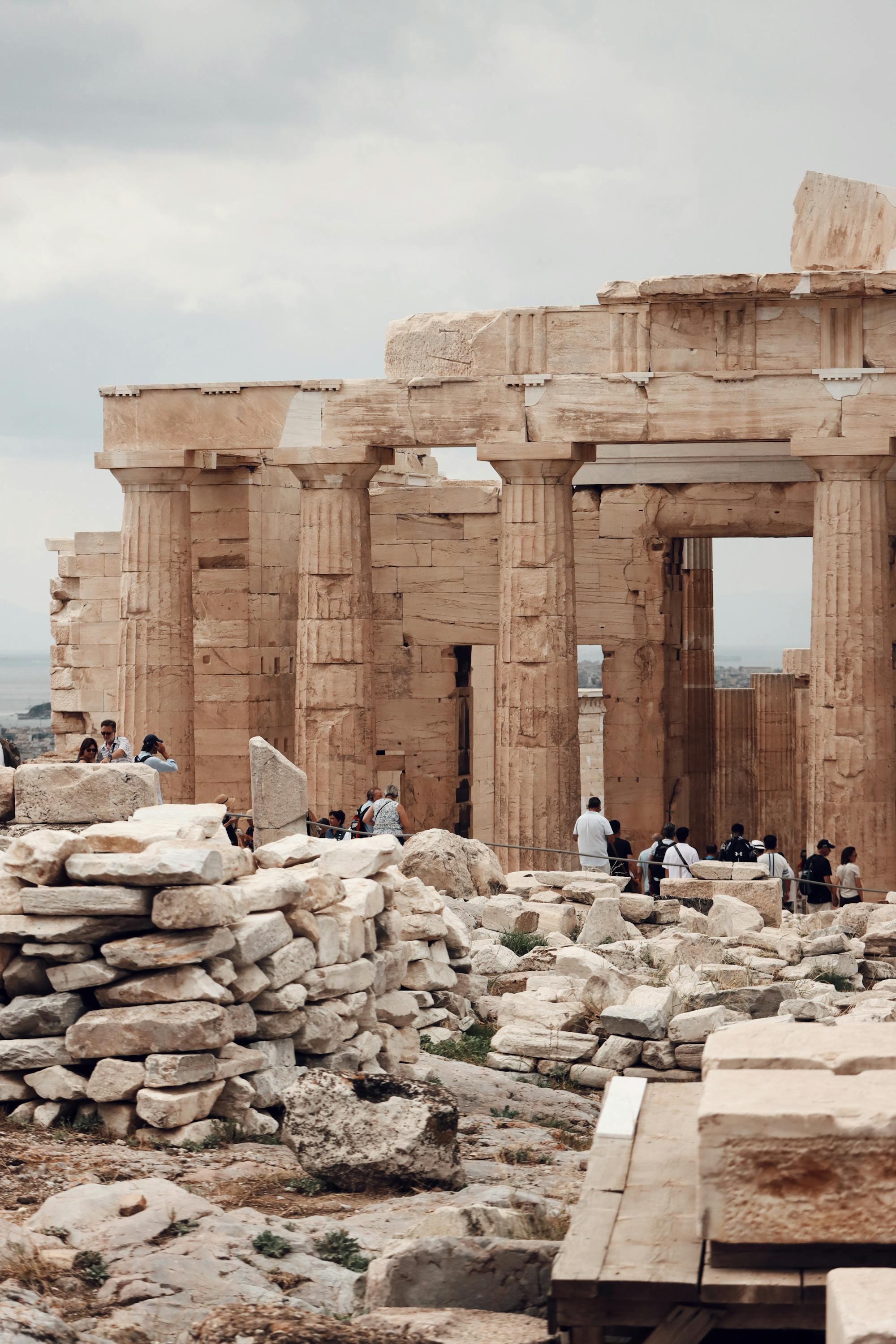
Athens is the obligatory starting point for most visits to Greece, and rightly so. The Acropolis — the sacred hill crowned by the Parthenon, the Erechtheion, and the Temple of Athena Nike — is one of the defining monuments of Western civilisation and is extraordinary at any time of day or season. The Acropolis Museum at its base is world-class, housing the sculptures and friezes stripped from the hill's temples over centuries. Beyond the ancient hill, Athens rewards exploration: the Ancient Agora, the Roman Forum, Hadrian's Arch, and the colossal Temple of Olympian Zeus anchor the historic core, while the neighbourhoods of Monastiraki, Plaka, Psyrri, and Koukaki offer excellent restaurants, rooftop bars with Acropolis views, and a vibrant contemporary city life that many first-time visitors are surprised to find.
Top Destinations: The Greek Islands
Greece has over 6,000 islands, of which around 230 are inhabited — and choosing between them, or planning how to explore them, is one of the great pleasures of planning a Greek holiday. Santorini's volcanic caldera and clifftop villages are globally iconic, and watching the sunset in Oia is a world-renowned experience. Mykonos offers glamorous beach clubs, a famed nightlife scene, and whitewashed villages beyond its party reputation. Crete — by far the largest island — is almost a country unto itself, with Minoan ruins at Knossos, the spectacular Samaria Gorge hike, one of the longest gorges in Europe, beautiful beaches from Elafonisi to Vai along the sea, and a food culture that is arguably the finest in Greece. The Ionian Islands (Corfu, Zakynthos, Kefalonia) are lushly green, with a Venetian architectural heritage and some of the Mediterranean's most beautiful beaches, making them especially appealing if you want more time in nature; Corfu’s Old Town adds extra beauty with its 14th-century Venetian fortress and honey-hued homes. The Dodecanese (Rhodes, Kos, Patmos) offer a compelling mix of medieval history and excellent beaches. The Cyclades beyond Santorini — Naxos, Paros, Milos, Sifnos — provide a more relaxed and authentic island experience, and ferries make island-hopping between them practical. You can also visit Hydra, where no cars or bikes preserve its charm and the harbor setting is especially photogenic for photos.
The Peloponnese and Mainland Greece
The Peloponnese, the large peninsula hanging south from mainland Greece in the Hellenic Republic, contains some of the country's most rewarding historical sites away from the Attica tourist circuit. Nafplio is another highlight, with pastel-coloured neoclassical mansions and a medieval castle. Mycenae, the Bronze Age citadel where Agamemnon reputedly ruled, and the Treasury of Atreus are extraordinary. Olympia, another of the region’s great ancient cities, hosted the Olympic Games, including the first Olympic Games in 776 BCE. Epidaurus has the best-preserved ancient theatre in the world — still used for performances in summer. The medieval walled city of Mystras, the Byzantine ghost town near Sparta known for its Byzantine churches, fortress walls, and rich history, and the dramatic Mani Peninsula with its tower villages and remote beaches round out one of Greece's most undervisited regions.
Northern Greece and Meteora
Northern Greece — Thessaloniki, the Macedonian heartland, and the region of Epirus, where Vikos Gorge lies in the Northern Pindos National Park — offers a rich but less-visited alternative to the island circuit. Thessaloniki is Greece's second city and arguably its finest for food, with a spectacular Byzantine heritage and a vibrant modern cultural scene. Meteora, the extraordinary complex of six monasteries built in the 14th century and perched atop towering rock pillars amid the mountains in central Greece, is one of the country's most jaw-dropping sights and a UNESCO World Heritage Site — best seen early in the morning before the coach groups arrive, though many visitors take a guided tour to understand the monasteries' history and reach the best viewpoints. Nearby Kalabaka is home to six Eastern Orthodox monasteries from the 14th century. Delphi Theatre is also a worthwhile stop in central Greece, with sweeping views of the Gulf of Corinth and a strong connection to ancient Greek oracles.
Practical Travel: Best Things to Know
Island-hopping remains the quintessential Greek holiday experience, facilitated by an extensive ferry network connecting Athens' Piraeus port to virtually every inhabited island. Flying between islands or from Athens is faster and often surprisingly affordable. Peak tourist season runs from June to August, but shoulder seasons offer kinder prices and easier travel. If you want to visit Greece beyond the busiest months, late spring brings wildflowers in bloom, April and May are ideal for hiking, and September brings warm seas, tranquil weather, and fewer tourists along the coast. A car is essential for exploring Crete, the Peloponnese, and mainland regions fully. The Athens Metro is excellent and connects the airport to the city centre and Piraeus in under 45 minutes. Greece uses the Euro and is generally a mid-range destination, with costs varying significantly between islands — Mykonos and Santorini are expensive by any standard, while lesser-known islands offer excellent value. Greece offers fresh-pressed olive oil and seafood as staples of everyday dining. In Corfu, sofrito is a classic, Cretan bougatsa is a favorite pastry, and baklava is a famous dessert made with honey.