Hiroshima carries the weight of history with extraordinary grace. The Peace Memorial Museum and the skeletal Atomic Bomb Dome are among the most important — and moving — historical sites in the world. But Hiroshima is also a vibrant, forward-looking city with excellent food, a walkable riverfront, and one of Japan's greatest natural and cultural icons just a ferry ride away: Miyajima Island. This guide covers everything worth doing in Hiroshima, from the essential to the overlooked.
Things to Do in Hiroshima: The Essential Experiences
Hiroshima Peace Memorial Museum
The single most important thing to do in Hiroshima — and one of the most powerful museum experiences anywhere in the world. The museum documents the events of August 6, 1945 and their aftermath through personal objects, survivor testimonies, photographs, and scientific documentation. Allow 2–3 hours. Go with an open mind and leave your phone in your pocket — this is a space for reflection, not content creation.
The museum was comprehensively renovated in 2019; the rebuilt East Building houses new exhibits with exceptional clarity and emotional honesty. Admission is ¥200 — one of the most underpriced entry fees in Japan.
Atomic Bomb Dome (Genbaku Domu)
The only building left standing near the hypocenter of the August 6 bomb — preserved exactly as it was in the immediate aftermath, its iron dome skeleton exposed against the sky. The Atomic Bomb Dome, also known as the A-Bomb Dome, sits on the Ota River directly opposite the Peace Memorial Park, visible from the Aioi Bridge. It is a UNESCO World Heritage Site and the most recognizable image of Hiroshima. Visit at dusk when the light is soft and the crowds thin.
Peace Memorial Park
The park surrounding the museum and dome contains several important memorials worth time. Hiroshima Peace Memorial Park was founded in 1954:
Children's Peace Monument: Dedicated to Sadako Sasaki, a 12-year-old survivor who died of leukemia and folded 1,000 paper cranes hoping to recover. Surrounding the statue are thousands of colourful origami cranes sent from around the world each year.
Cenotaph for the A-bomb Victims: An arch framing the Atomic Bomb Dome in the distance — a deliberate alignment designed so that the dead may look through to the Dome and find peace.
Flame of Peace: A flame that has burned continuously since 1964, pledged to burn until all nuclear weapons on earth are eliminated.
Miyajima Island — The Floating Torii Gate
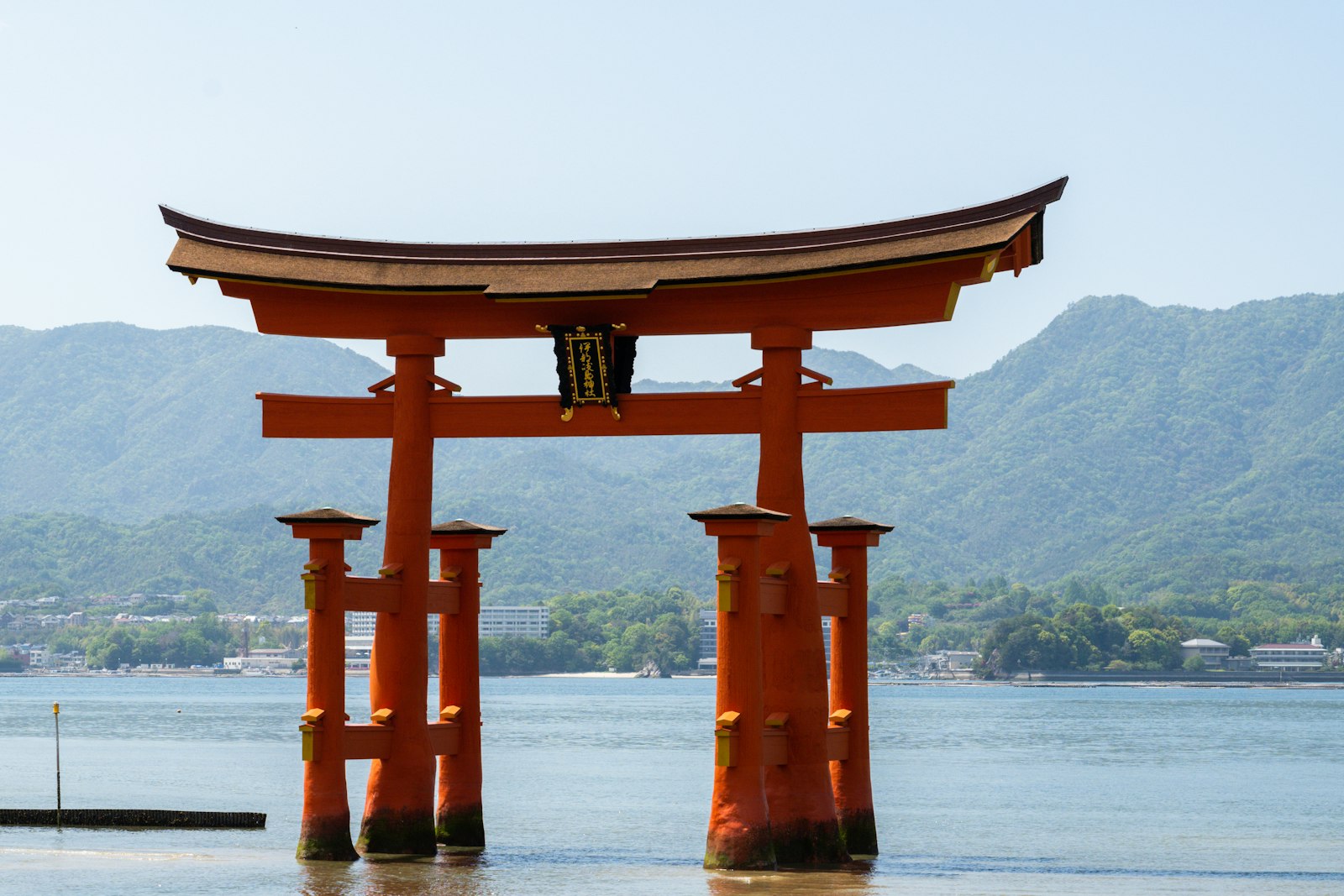
Miyajima is one of Japan's three most scenic views — and its floating torii gate (the vermillion O-torii of Itsukushima Shrine) is one of the most recognizable images in the country. At high tide, the gate appears to float on the sea; at low tide you can walk to its base. From the ferry port, the fast ferry from Hiroshima takes about 10 minutes, and services run frequently throughout the day.
What to do on Miyajima:
Itsukushima Shrine: The entire shrine complex is built over the water — walkways, stages, and pagodas all supported on stilts above the tidal bay. One of Japan's most extraordinary architectural achievements on shrine island. It dates to the 6th century, with the traditional founding date of 593 AD. Visit at high tide for the full effect.
Momijidani Park: A valley of maple trees behind the shrine that turns intensely red in mid-November — among Japan's finest autumn foliage spots. The name literally means "maple valley."
Mt. Misen: Hike or take the cable car to Miyajima's highest peak for sweeping views over the Seto Inland Sea and the islands of western Japan. The summit rewards you with a stunning view among the island's best sights. Allow 3–4 hours for the full hike via the Daisho-in Temple route.
Wild deer: Sacred deer roam freely across the island — they're bold, photogenic, and will eat your map if you're not paying attention.
Momiji manju: Miyajima's signature sweet — maple-leaf-shaped cakes filled with red bean paste, custard, or chocolate. Traditional momiji manju is the classic version, and in a small corner stall you might also grab ice cream. Buy them hot from the griddle at one of the island's many shops.
Miyajima is a popular day trip and one of the area's most iconic sights, especially for a first visit.
Timing advice: Arrive on Miyajima by 8am to beat the day-tripper crowds from Hiroshima. Stay overnight for the extraordinary experience of the island after all tour groups have left — the deer wander the empty streets and the shrine is lit at night.
Best Things to Do in Hiroshima: Food & Local Culture
Hiroshima-Style Okonomiyaki
This is not a side note — it's a reason to come to Hiroshima. Hiroshima-style okonomiyaki, which roughly translates to “cooked as you like,” is fundamentally different from the Osaka version: layers are built separately (cabbage, noodles, pork, egg) on a flat iron griddle, not mixed together. The result is crispier, more textured, and most Hiroshima locals believe, far superior. Okonomimura — a lively complex spread across four floors near the Peace Park, with more than 25 spots serving hiroshima okonomiyaki — is the best place to try it. The Hiroshima Wood Egg Museum also deserves a stop, and its second floor focuses on okonomiyaki history. Each restaurant on each floor is tiny, cash-only, and run by the same family for decades.
Hiroshima Oysters
Hiroshima Prefecture produces over 60% of Japan's oysters. They're available everywhere in the city from October to March: grilled on the half-shell, baked with cheese, fried as kaki-furai (breaded and deep-fried), and in oyster rice (kakimeshi). Kanawa — a restaurant on a boat moored in the river — is Hiroshima's most famous oyster destination, pairing fresh oysters with river views.
Shukkei-en Garden
A Japanese garden built in 1620 by Nagaakira Asano, with a central pond meant to evoke the scenic Xiling Gorge of China in miniature — islands, bridges, and tea houses arranged around the water. Largely destroyed by the 1945 bomb and beautifully rebuilt, it's one of Hiroshima's most tranquil spots and a short walk from the Peace Park. It's worth spending a few hours here if you want a quieter break from the city centre.
Hiroshima Castle
Originally built in 1589 and destroyed in 1945, Hiroshima Castle was rebuilt in 1958 and now houses a museum covering the feudal history of the Chugoku region. The castle grounds and moat are pleasant for walking; the view from the top floor covers central Hiroshima. Less impressive than Himeji or Matsuyama, but still worth visiting for an hour alongside the Peace Park as one of the more accessible Japanese castles in the city centre. Nearby, Orizuru Tower offers sweeping 360-degree views of Hiroshima if you want another lookout.
Day Trips from Hiroshima
Hiroshima also rewards a longer hiroshima itinerary thanks to its beautiful gardens, distinct culinary traditions, and easy public transport.
From Tokyo, the bullet train offers a direct Shinkansen ride of about 5 hours, and Hiroshima Station is the main hub for getting around.
The city’s tram system has 8 lines, is ideal for sightseeing around the city, and accepts Suica cards.
Onomichi: A hillside port town 1 hour east by train, famous for its temple walk (temple road connecting 25 temples on the hillside), its cat alley, and its ramen — Onomichi-style ramen with a rich chicken and pork broth. It’s also the starting point of the Shimanami Kaido, which runs from Onomichi to Imabari and is a scenic route for cyclists across the Seto Inland Sea.
Himeji (1.5 hours by Shinkansen): Japan's most perfectly preserved feudal castle — "White Heron Castle" — is one of the country's most rewarding UNESCO sites. Can be combined with Hiroshima in a day with an early start, though downtown Hiroshima and Hondori Street are better for evening strolling after a day trip, with Google Maps handy if you're planning multiple stops.
Iwakuni: A small town 40 minutes west of Hiroshima with the extraordinary Kintaikyo Bridge — a five-arch wooden bridge reconstructed to its 1673 design, spanning the Nishiki River beneath Iwakuni Castle.
Okunoshima: Better known as Rabbit Island, this small island is home to over 1,000 rabbits, but it also has a darker World War II past tied to chemical weapons research.
Tomonoura: A charming old port with lovely views over Hiroshima Bay, known for its scenic spots and as the real-life inspiration for Studio Ghibli’s Ponyo.
Mitaki-Dera Temple: A peaceful temple complex dating back to 809 AD, tucked into the hills and ideal when you want a quieter break from the city.
Transport note: If you're arriving via Hiroshima Airport, be aware that direct flights are limited from some regions, so rail can be simpler; a JR Pass is especially useful for train-plus-ferry travel around the area.