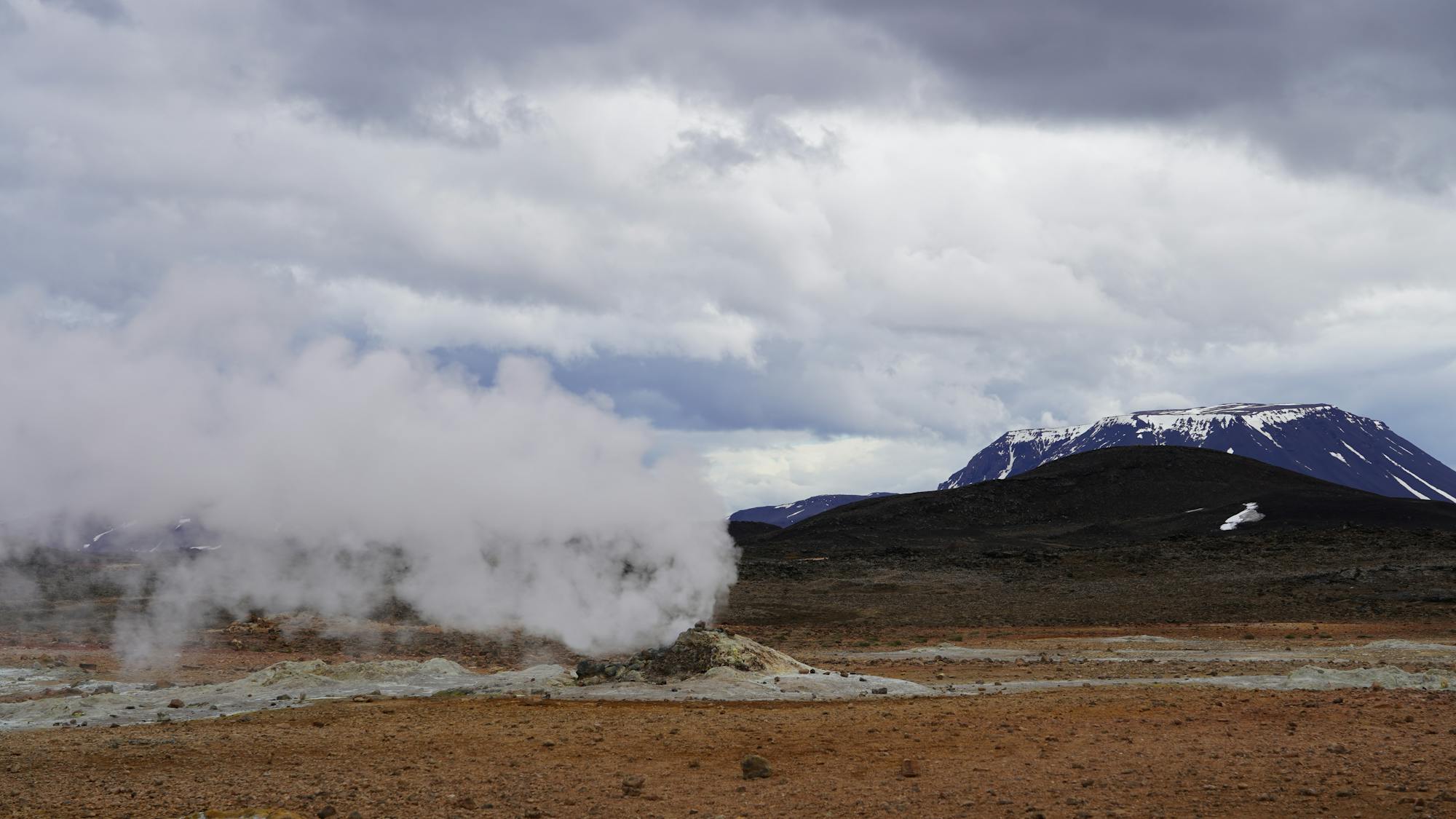
Iceland is one of the most geologically dramatic and scenically otherworldly destinations on Earth — a volcanic island straddling the Mid-Atlantic Ridge where fire meets ice, geysers erupt from steaming fields, glaciers calve into black-sand lagoons, and the Northern Lights dance across winter skies. Travel here to feel small in the best possible way.
Things to Do in Iceland
Best Things to Do in Iceland
Iceland is a country known for volcanic landscapes, glaciers, waterfalls, and dramatic coastlines, which is why choosing the right experiences can make such a big difference on any trip. This guide ranks the best things to do in Iceland by focusing on options with strong market relevance, high visibility, real user demand, clear distinctiveness, and a good fit for both first-time visitors and repeat travelers looking for memorable highlights and lesser-known stops.
How We Chose the Best Things to Do in Iceland
This is a broad travel category with strong informational intent, so a list of 7 makes more sense than forcing a longer ranking with weaker picks. We prioritized experiences that consistently stand out for accessibility, scenery, cultural value, activity range, and overall appeal.
The main factors in this comparison were:
Variety of landscapes and natural wonders
Practicality for a day trip or longer itinerary
Popularity with many travelers
Range of tours and self-guided options
Seasonal value, from summer outdoor adventures to winter northern lights trips
Distinctive appeal, including geology, wildlife, hot water bathing, and iconic landmarks
Best 7 Things to Do in Iceland
1. Explore the Golden Circle
The Golden Circle is still the easiest all-around introduction to Iceland because it combines geology, history, waterfalls, and geothermal sights in one efficient route. For most travelers, it delivers the best first look at the country without requiring a long detour.
Why It Stands Out
A classic golden circle tour covers Þingvellir National Park, the Geysir area, and Gullfoss waterfall, making it one of the most balanced sightseeing routes in Iceland. It works equally well as a self-drive plan or one of the most popular day tours from Reykjavik.
Best For
First-time visitors, short-stay travelers, and anyone who wants a high-value day with several headline attractions.
Key Strengths
Thingvellir National Park is a unesco world heritage site with major historical significance
The park is a geological wonder where tectonic plates and the north american tectonic plates divide can be seen in the rift landscape
Strokkur Geyser and the powerful Gullfoss waterfall make this route visually rewarding
Possible Limitations
It is one of the busiest routes in Iceland
Some stops can feel quick if you book a tight group itinerary
2. Drive the South Coast
The south coast is one of the most popular parts of Iceland for good reason. It packs waterfalls, glaciers, volcanic beaches, and photogenic villages into a route that feels dramatic almost the entire way.
Why It Stands Out
This is the route that gives many visitors the Iceland they imagined: famous waterfalls, glacier views, and a black sand beach near Vik. It is ideal for a self-drive road trip, but guided tours are also widely available if you prefer not to drive.
Best For
Travelers who want a dense concentration of classic sights and easy logistics from Reykjavik.
Key Strengths
Reynisfjara Black Sand Beach is known for black sand, basalt columns, strong waves, and easy access from the vik area
Stops along the route include more than one beautiful waterfall, plus larger scenic stretches framed by lava fields and lava rocks
The region is excellent for photography and offers stunning views throughout the drive
Possible Limitations
Weather can change quickly along the coast
Popular stops may be crowded in peak season
3. Visit Jökulsárlón and Vatnajökull
If you have more time, this is one of the most unforgettable parts of visiting Iceland. The area around Jokulsarlon Glacier Lagoon offers floating icebergs, glacier scenery, and some of the most photogenic landscapes in the island.
Why It Stands Out
Jokulsarlon Glacier Lagoon sits near Vatnajökull Glacier, the largest glacier in Iceland, and the surrounding scenery feels truly world-class. Nearby Diamond Beach adds another dramatic stop where ice washes up along the shore.
Best For
Travelers seeking big scenery, glacier access, and some of the most magical experiences in Iceland.
Key Strengths
The area combines Jokulsarlon Glacier Lagoon, Diamond Beach, and access to Vatnajökull Glacier
You can book a boat tour on the lagoon or seasonal trips into a natural ice cave
It is one of the best regions for glacier hiking and other guided ice-based experiences
Possible Limitations
It is far from Reykjavik for a single day
Winter conditions can affect timing and road plans
4. Relax in Geothermal Baths and Springs
Soaking is not just a tourist activity here; it is part of Icelandic culture and a major reason people return. From famous spas to remote pools, this category offers one of the most relaxing ways to experience the landscape.
Why It Stands Out
Iceland has everything from the Blue Lagoon to simpler natural hot springs, so you can choose between full-service comfort and quieter local settings. These places also connect wellness with geology in a way few destinations do.
Best For
Travelers who want recovery time, scenic bathing, and a softer counterpoint to hiking and driving.
Key Strengths
The Blue Lagoon remains the best-known spa near Keflavik Airport
You will find geothermal hot springs, hot springs, and larger thermal pools across different regions
Mineral-rich water is often associated with healing properties and a deep sense of relaxation
Possible Limitations
The most famous lagoons require advance booking
Prices vary a lot between luxury spas and simpler pools
5. Discover Reykjavík and Nearby Highlights
Reykjavik is more than a base. The capital city gives you museums, food, design, harbor walks, and easy links to nearby excursions, making it a strong part of almost any Iceland itinerary.
Why It Stands Out
The city is compact and walkable, but still offers enough culture and atmosphere to balance out nature-heavy days. It is also the easiest place to organize day trip departures, airport transfers, and evening activities.
Best For
Travelers who want urban convenience, dining, culture, and short excursions without constant repacking.
Key Strengths
The capital city is the main hub for transport, hotels, and planning
Landmarks include the Sun Voyager, a sculpture often compared to a viking ship
Reykjavik works well before or after a longer trip around the country
Possible Limitations
It is not the main draw for travelers focused only on wilderness
Accommodation can be expensive in peak periods
6. Explore Snæfellsnes Peninsula
The Snaefellsnes Peninsula earns its reputation as "Iceland in Miniature" because it compresses many of the landscapes people want to see into one region. It is a smart choice if you want variety without committing to a full loop.
Why It Stands Out
This region combines coast, cliffs, lava, mountains, fishing villages, and famous waterfalls within a manageable distance from Reykjavik. It feels broad enough for a short adventure but still focused enough for a single outing.
Best For
Repeat visitors, photographers, and travelers who want to get beyond the most crowded routes without going too far off the beaten path.
Key Strengths
The Snaefellsnes Peninsula has a strong mix of volcanoes, coastline, and lava fields
It includes several scenic stops and a famous waterfall often paired with mountain views
It works as a flexible day trip or overnight extension
Possible Limitations
Some travelers may prefer to stay longer to see the area properly
Public transport is more limited than on Reykjavik-based routes
7. Choose Seasonal Adventure Experiences
Some of the best memories in Iceland come from choosing the right activity for the season. Winter and summer create very different possibilities, and both can reshape your Iceland list in the best way.
Why It Stands Out
Winter is the time to see the northern lights or aurora borealis, while summer brings long daylight for hiking, wildlife watching, and extended outdoor adventures. Depending on the season, you can also meet Icelandic horses through horseback riding excursions across rural landscapes.
Best For
Travelers building a bucket list, planning a next trip, or looking for special activities beyond the standard sightseeing loop.
Key Strengths
Winter gives you the chance to see the Northern Lights and other unforgettable experiences
Summer offers more flexibility for hiking, scenic driving, and broad exploration
Icelandic horses are a major draw thanks to their temperament, cultural role, and unique features
Possible Limitations
Some activities are strongly seasonal
Weather always affects visibility and scheduling
Quick Comparison of the Best Things to Do in Iceland
Golden Circle – Best for first-time visitors who want classic highlights
South Coast – Best for iconic coastal scenery and major photo stops
Jökulsárlón and Vatnajökull – Best for glacier landscapes and ice-focused adventures
Geothermal baths and springs – Best for relaxation and wellness
Reykjavík – Best for culture, dining, and easy logistics
Snæfellsnes Peninsula – Best for varied landscapes in one region
Seasonal adventure experiences – Best for travelers chasing specialty activities
How to Choose the Right Things to Do in Iceland
The right choice depends on your time, season, and travel style. Iceland can reward a short city-based stay just as much as a longer ring road journey, but the best plan changes with your priorities.
Choose Based on Time
If you only have one or two full days, start with the Golden Circle or the South Coast. Each works well as a day trip from Reykjavik. If you have more time, a longer road trip on the ring road opens up glacier regions, remote coastlines, and wider accommodation options.
Choose Based on Season
Winter is best if your priority is the northern lights, ice cave access, and stark snowy landscapes. Summer offers easier driving, more daylight, and better conditions for hiking, wildlife watching, and broad scenic exploration.
Choose Based on Travel Style
If you like structure and convenience, organized tours remove the stress of driving and timing. If you prefer flexibility, rent a car and head straight toward the regions that match your interests. Travelers seeking nature with fewer crowds may want places beyond the standard beaten path, while others will be happiest staying close to Reykjavik and major sights.
Which Option Is Best for You?
Choose Golden Circle if you need the most efficient first introduction to Iceland.
Choose South Coast if you want waterfalls, coastline, and classic volcanic scenery.
Choose Jökulsárlón and Vatnajökull if your priority is glacier landscapes and high-impact nature.
Choose Geothermal baths and springs if you want downtime and scenic soaking.
Choose Reykjavík if you value convenience, food, and culture.
Choose Snæfellsnes Peninsula if you want variety without committing to a full loop.
Choose Seasonal adventure experiences if you want your trip built around special moments and activity timing.
Final Thoughts
The best things to do in Iceland depend on whether you want classic highlights, remote scenery, culture, relaxation, or active exploration. For most first-time visitors, the Golden Circle and South Coast are the strongest starting points, while glacier regions, seasonal adventures, and western peninsulas add depth for longer stays. If you want one all-around winner, start with the Golden Circle, then build out from there based on your time, budget, and interests.