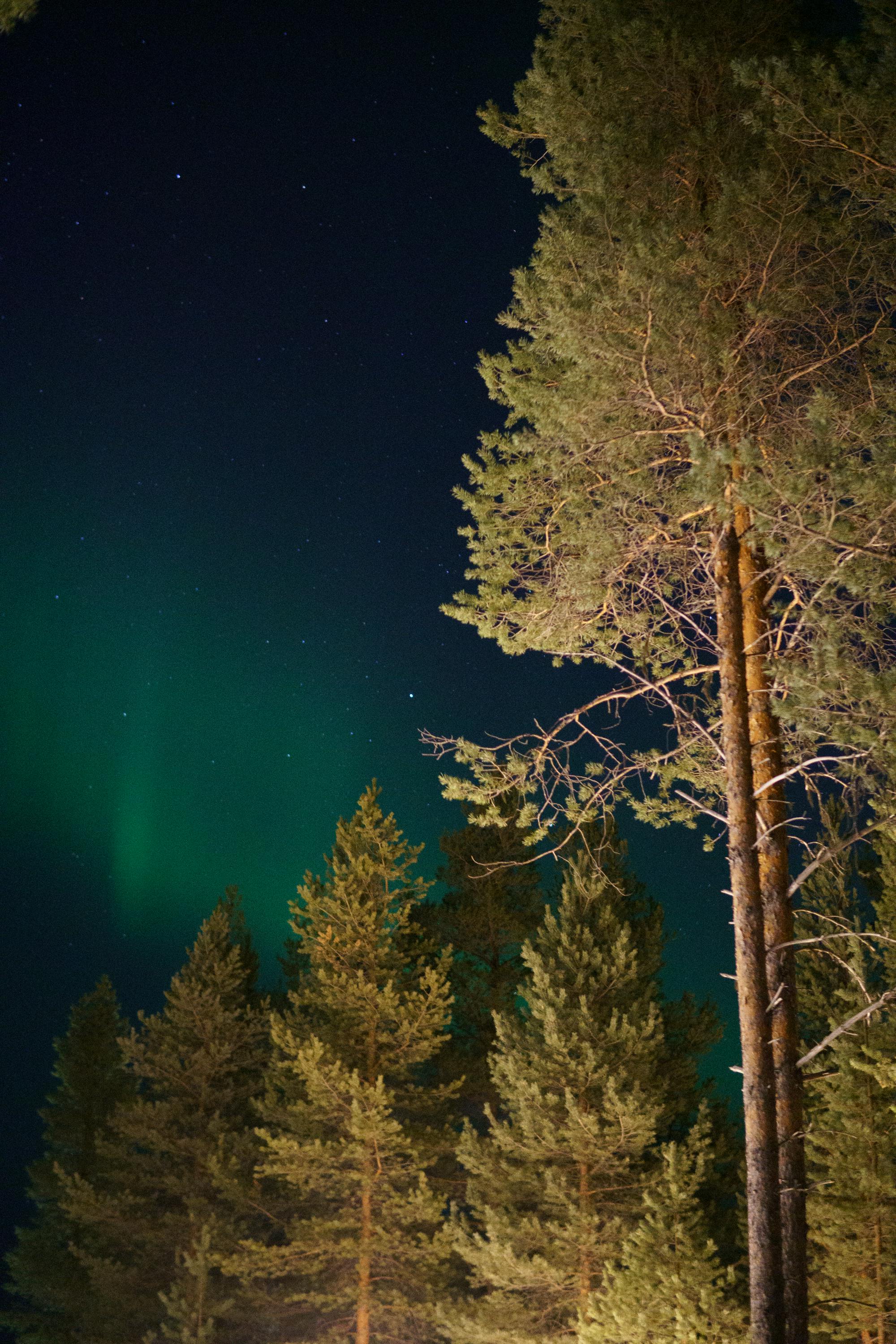
Lapland, the vast Arctic wilderness stretching across the northernmost reaches of Finland, Sweden, and Norway, is one of the world's most extraordinary travel destinations, where winter transforms the landscape into a silent snow kingdom and summer brings perpetual daylight under the midnight sun. It is simultaneously a wilderness destination, a cultural homeland of the indigenous Sámi people, and — for many visitors — the place where childhood magic feels briefly, wonderfully real.
Lapland, the vast Arctic wilderness stretching across the northernmost reaches of Finland, Sweden, and Norway, is one of the world's most extraordinary travel destinations. Here, winter transforms the landscape into a silent snow kingdom where the Northern Lights dance above frozen lakes and snow-laden spruce forests, reindeer roam freely across the fells, and temperatures regularly plunge to -25°C or below. In summer, the same land is bathed in perpetual daylight under the midnight sun, with wildflower meadows, rushing rivers, and hiking trails stretching to the horizon. Lapland defies easy categorisation: it is simultaneously a wilderness destination, a cultural homeland of the indigenous Sámi people, and — for many visitors — the place where childhood magic feels briefly, wonderfully real.
Top Experiences and Attractions
Aurora hunting is the activity that draws most winter visitors to Lapland. The aurora borealis appears when solar particles interact with Earth's magnetic field, and Lapland sits directly beneath the auroral oval — one of the best positions on Earth to witness the display. Dedicated aurora safaris by snowmobile, reindeer sled, or simply on foot lead guides who track solar forecasts and know the best dark-sky locations away from settlement lights. A reindeer farm visit is an unmissable cultural experience: you can feed reindeer, take a traditional pulkka (sleigh) ride through the forest guided by a Sámi herder, and learn about the 10,000-year relationship between the Sámi people and these animals. Husky safaris — ranging from one-hour introductory drives to multi-day wilderness expeditions — offer exhilarating travel through snow-covered landscapes with a team of enthusiastic Alaskan huskies. Snowmobile tours cover far greater distances and allow access to remote frozen lakes and fells unreachable on foot. Ice fishing on a frozen lake, drilling through half a metre of ice to catch perch or pike in the silence of the Arctic, is a quintessential Lapland experience that connects you with centuries of indigenous tradition.
Outdoor Adventures
In winter, cross-country skiing (langlauf) networks around major resort towns like Levi, Ylläs, and Saariselkä extend for hundreds of kilometres, catering to all abilities from gentle forest loops to demanding fell traverses. Downhill skiing and snowboarding are also popular, with Levi hosting World Cup slalom races on its north-facing slopes. Snowshoeing through ancient boreal forests — guided or independently — offers the most intimate experience of the winter landscape. In summer, Lapland's rivers become whitewater rafting and canoeing routes; the Ounasjoki and Muonionjoki rivers offer multi-day paddling trips camping on riverbanks. Long-distance trekking on the UKK Route and the Kungsleden draws serious hikers each summer and early autumn, while the cloudberry season in late July brings foragers out across the bogs and moors.
Cultural and Historical Highlights
The Sámi are the indigenous people of Lapland, with a culture spanning more than 10,000 years. Visiting an authentic Sámi cultural centre — such as Siida in Inari, Finland — provides essential context for understanding the land, the traditional lávvu (tent) dwelling, the joik (throat singing tradition), and the reindeer herding culture that still defines Sámi identity. Inari, on the shore of Finland's third-largest lake, is the cultural capital of Finnish Sámi. The Northern Lights were sacred to the Sámi, who called them the "fire fox" (revontulet in Finnish). Sampling Lapland cuisine — reindeer stew (poronkäristys), smoked fish, cloudberry desserts, and hot lingonberry juice — is a rich cultural experience best enjoyed in a traditional smoke sauna followed by a roll in the snow.
Practical Visitor Tips
Lapland is served by airports at Rovaniemi, Kittilä, Ivalo, and Enontekiö in Finland, as well as Kiruna in Swedish Lapland and Tromsø in Norway. Winter visits require serious cold-weather preparation: base layers, mid-layers, and an outer shell rated to -30°C are essential, though most tour operators provide full Arctic suits for outdoor activities. Book Northern Lights safaris and husky or reindeer experiences as soon as you book accommodation — the most popular operators sell out weeks or months in advance. The best aurora viewing runs from late September through late March, with peak activity in December and January. Polar night in December means total darkness for weeks around the solstice; optimal for Northern Lights but requires psychological adjustment. Summer visitors should pack mosquito repellent — the Arctic summer brings dense swarms, especially near bogs and standing water.