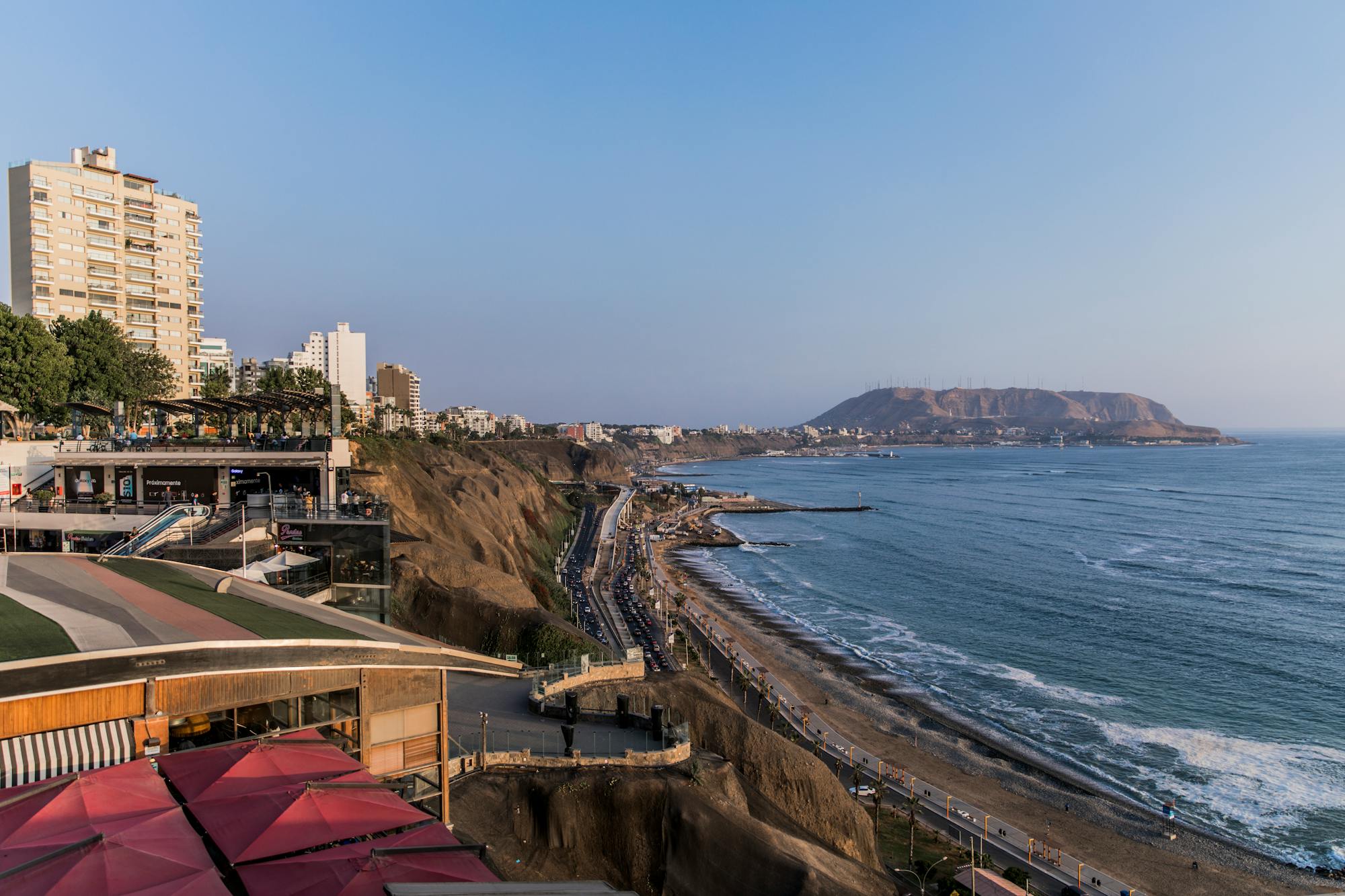
Lima is one of South America's most compelling capitals — a city where pre-Columbian ruins sit alongside colonial-era plazas, cutting-edge restaurants, and dramatic Pacific cliffs. Often used as a gateway to Machu Picchu and Cusco, Lima deserves far more than a quick layover. With a thriving food scene, fascinating history, and distinctly bohemian neighborhoods, Peru's capital rewards curious travelers who take time to explore its many layers.
Top Attractions in Lima
Lima's Historic Centre (Centro Histórico) is a UNESCO World Heritage Site and one of the finest colonial ensembles in the Americas. The Plaza Mayor is flanked by the imposing Government Palace, the Archbishop's Palace with its ornate wooden balconies, and the Cathedral of Lima — whose crypt holds the remains of conquistador Francisco Pizarro. The nearby Monastery of San Francisco houses an extraordinary baroque library and miles of underground catacombs containing the bones of tens of thousands of colonial-era inhabitants.
The Larco Museum in the Pueblo Libre district is arguably Lima's finest cultural institution. Housed in an 18th-century viceroy mansion set within bougainvillea-filled gardens, it holds an unparalleled private collection of pre-Columbian ceramics, textiles, gold, and silver. The controversial erotic pottery gallery offers fascinating insight into ancient Peruvian cultures. Allow two to three hours — and don't miss the fully accessible storage rooms where over 45,000 artifacts are displayed.
Miraflores is Lima's most visited neighborhood, perched dramatically atop cliffs above the Pacific. Parque del Amor and the Larcomar shopping center both offer sweeping ocean views. Paragliders launch from clifftop parks daily, riding the thermals above the sea. The Huaca Pucllana, an ancient adobe pyramid rising incongruously from the middle of a residential block, dates back to 400 AD and can be visited on guided night tours lit by torches.
Unique Experiences
Lima is the undisputed capital of Peruvian cuisine and a genuine contender for the world's best food city. The Barranco district, just south of Miraflores, is a bohemian enclave of pastel houses, art galleries, craft cocktail bars, and excellent restaurants. Try ceviche at La Mar or Central, taste anticuchos (grilled beef heart skewers) from street vendors along Av. Grau, and sample a Pisco Sour — Peru's national cocktail made from pisco, lime juice, egg white, and bitters.
The MALI (Museo de Arte de Lima) houses an impressive collection spanning 3,000 years of Peruvian art from pre-Hispanic through contemporary work. The adjoining Parque de la Exposición, a beautiful 19th-century park with fountains and pavilions, makes a pleasant stroll. For a deeper dive into Lima's artistic scene, the Galería Lucía de la Puente in Barranco regularly shows cutting-edge Peruvian and Latin American art.
Visit the Callao Monumental neighborhood for one of Lima's most creative urban transformations — a historically rough port district now covered in world-class murals, galleries, and rooftop bars. The La Punta peninsula at Callao's tip offers fresh seafood and views of the offshore Palomino Islands, home to barking sea lions visible by boat.
Day Trips from Lima
Pachacamac, located 31 km south of Lima, is one of the most significant archaeological sites on the Pacific coast. This massive pre-Inca and Inca ceremonial complex, dedicated to the earth deity Pachacamac, features multiple pyramids, temples, and plazas set dramatically against the desert hillsides. Easy to reach by taxi or guided tour in under an hour, it makes an excellent half-day excursion.
The Ballestas Islands near the town of Paracas (250 km south) are Peru's answer to the Galápagos — accessible boat tours bring you close to sea lions, Humboldt penguins, flamingos, and enormous bird colonies. Combined with a visit to the Paracas National Reserve and its rust-red desert cliffs meeting the cold Pacific, this makes for a memorable full-day trip from Lima.
Lunahuaná, in the Cañete Valley about 165 km south of Lima, is a popular weekend destination for white-water rafting on the Cañete River, zip-lining, and wine and pisco tasting at local bodegas. The lush valley oasis surrounded by dry mountains is a striking contrast to Lima's grey coastal desert.
Food and Culture
Lima's gastronomic revolution began decades ago and shows no sign of slowing. Ceviche — raw fish cured in lime juice, seasoned with chili and red onion — is the city's signature dish, typically eaten at lunch. Lima's markets are also worth exploring: the Surquillo Market near Miraflores is where Lima's top chefs shop for ingredients and offers an authentic immersion into daily Peruvian culinary life.
The Barranco Bridge of Sighs (Puente de los Suspiros) is a charming romantic landmark, and the pedestrian walkway that leads to it is lined with bars and cafés. The neighborhood comes alive on weekends when live music spills out of peñas — traditional music venues where you can hear Afro-Peruvian music, marinera dancing, and creole music.
Practical Tips
- Getting around: Miraflores, Barranco, and San Isidro are easily walkable between each other. Use Uber or InDriver (cheaper) to get to the Historic Centre — walking from Miraflores is not recommended due to the distance and traffic.
- Safety: Lima is generally safe in tourist areas but petty theft exists. Keep bags secure, avoid displaying expensive jewellery, and use official taxis or rideshare apps.
- Weather: Lima's coast is overcast and humid from May to November (garúa season) with temperatures of 14–18°C. December to April brings sun and warmer temperatures of 24–28°C.
- Currency: The Peruvian Sol (PEN) is the local currency. ATMs are widely available in Miraflores and San Isidro.
- Language: Spanish. English is spoken in tourist-facing businesses in Miraflores and Barranco.