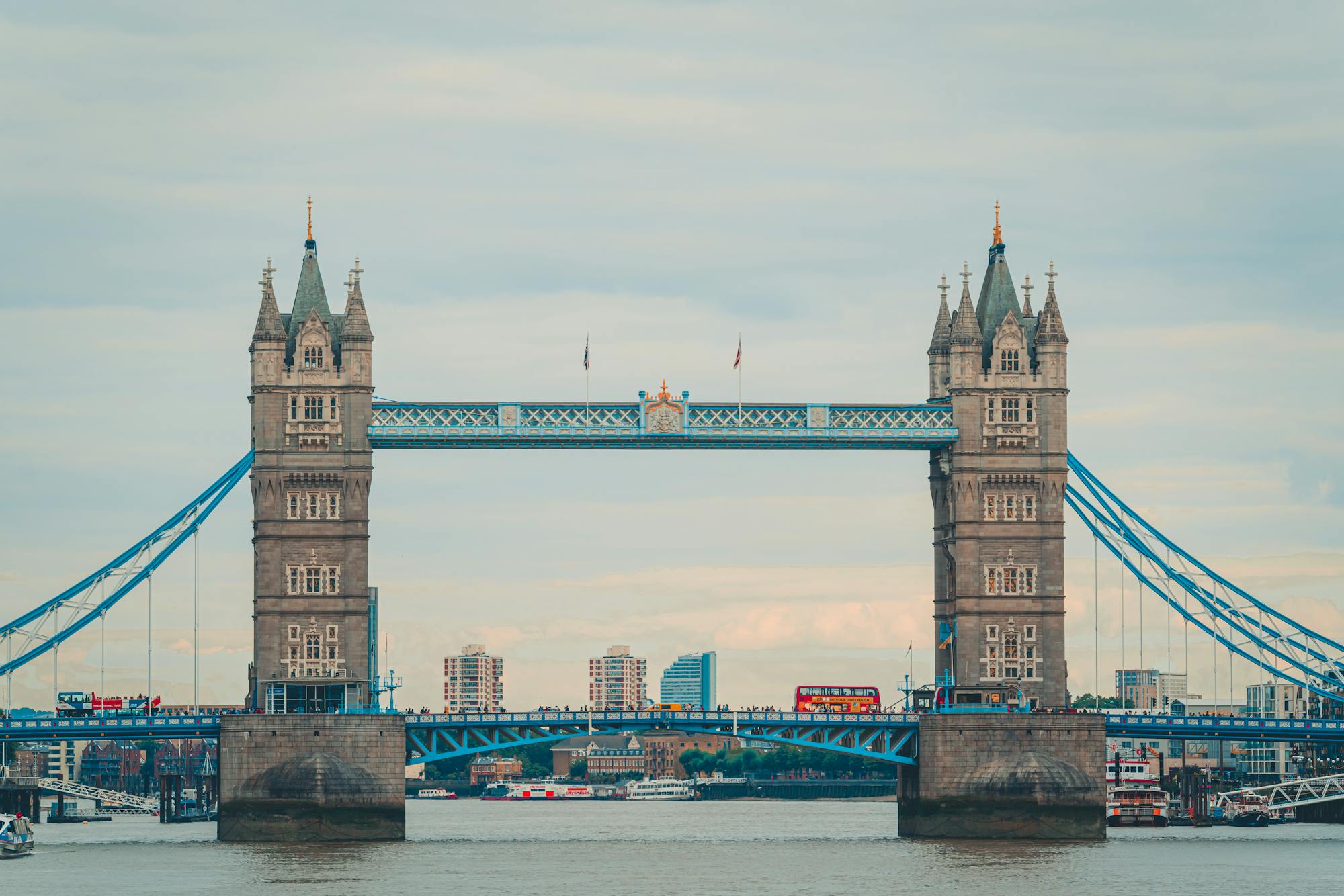
London is one of the world's truly great cities — a sprawling, endlessly layered metropolis of over nine million people where Tudor palaces sit beside Norman towers, the world's finest museums offer free admission, and every neighbourhood tells a different story of the city's extraordinary history. Despite its reputation for rain and reserve, London is one of the most energetic and culturally diverse cities on Earth.
Things to Do in London
Best Things to Do in London
London is one of those rare destinations that can fit almost any trip style, from royal landmarks and deep history to markets, parks, nightlife, and cutting-edge art. Some attractions are free, while others sell out fast, so it helps to check opening hours, compare tickets, and book tickets in advance before you visit London. For this list, I focused on places that stand out for culture, atmosphere, and ease of planning, whether you want famous sights, better-value stops, or more unusual moments around the city.
How We Chose the Best Things to Do in London
The search intent here is broad: most people want a mix of iconic sightseeing, local flavor, and memorable experiences they can actually fit into a trip. Because the market is wide and clearly segmented, a top 10 makes sense here.
I prioritized options that are genuinely distinct, well known, and worth the time, then balanced them across central London, east London, and north London. The final list covers history, museum time, food, art, green space, and unique experiences, with a mix of headline landmarks and the occasional hidden gem. I also considered practical factors like crowd levels, location, whether a stop is better as a self-guided walk or a guided tour, and how easy it is to combine with other fun things nearby.
Best 10 Things to Do in London
1. Tower of London
The Tower of London is still one of the most essential sights in the capital, combining royal history, fortress architecture, and one of the most famous collections in Britain. If you want a first-stop landmark that feels unmistakably London, this is it.
Why It Stands Out
It has been a royal palace since 1066 and remains one of the capital's defining historic sites. Inside, you can see the Crown Jewels, learn about centuries of monarchy and imprisonment, and then head nearby to Tower Bridge, where the glass walkway, the lifting bascule display, and the Engine Rooms add another layer to the experience.
Best For
First-time visitors, history lovers, and anyone who wants an iconic tourist attraction with strong sightseeing value.
Key Strengths
Major fortress with layered royal and political history
Easy to pair with riverside views and the nearby tower
Excellent choice if you want to explore a landmark in depth
Possible Limitations
Very busy in peak periods
Top tip: book tickets in advance if you want your preferred time slot
2. Westminster Abbey and the Westminster Sights
If your ideal London day includes monarchy, ceremony, and instantly recognizable landmarks, start in Westminster. This area delivers the classic postcard version of the capital without feeling one-note.
Why It Stands Out
Westminster Abbey is a major historic site closely tied to coronations and royal ceremonies, and it remains one of the top places to visit in the capital. As a leading tourist attraction in the Westminster area, it works especially well as part of a classic route past Parliament, Whitehall, and Buckingham Palace, the King's official residence in London.
Best For
Travelers who want royal landmarks, first-time city sightseeing, and the most iconic core of London in one area.
Key Strengths
Dense concentration of major sights in one part of town
Strong sense of ceremony, architecture, and national story
Easy to combine with the London Eye and afternoon tea
Possible Limitations
Crowded and often expensive
Best enjoyed with a clear route rather than trying to see everything at once
3. British Museum and London's Big Culture Stops
For visitors who want world-class collections without sacrificing half the day to logistics, this is one of the smartest choices in London. It is a cornerstone cultural stop and easy to build around.
Why It Stands Out
The British Museum houses the Rosetta Stone and Egyptian mummies, which alone make it a major draw. If you want to broaden the day, Tate Modern is a major museum for international modern and contemporary art, with names like Andy Warhol represented in its orbit of must-see culture, while the Wellcome Collection and the British Library's Treasures Gallery, home to a Gutenberg Bible, offer more interesting alternatives.
Best For
Museum-focused travelers, rainy-day planners, and anyone who likes to mix famous collections with flexible itineraries.
Key Strengths
Globally important collections spanning the ancient world
Strong value, especially compared with paid attractions
Plenty of nearby options if you want a full cultural day
Possible Limitations
Vast scale can feel overwhelming
You may want to choose one wing or one neighboring institution rather than doing too much at once
4. Borough Market
For food lovers, few places are more reliable than Borough Market. It is one of the easiest ways to get a concentrated taste of London's dining scene without committing to a formal sit-down meal.
Why It Stands Out
Borough Market is London's largest food market, and its diverse street-food options run daily. Whether you want snacks, produce, bakery stops, or a proper restaurant nearby, it is a great place to sample what the capital does best.
Best For
Casual eaters, market fans, and travelers building a flexible day around London Bridge and the river.
Key Strengths
Excellent range of traders, produce, and prepared dishes
Lots of food stalls in a compact, lively setting
Easy stop if food is a major part of your trip
Possible Limitations
Can be packed at lunch and on weekends
Some prices are firmly in tourist territory
5. Camden Market and North London Canal Walks
Camden remains one of the most energetic parts of the capital, with a style that feels very different from Westminster or the museum districts. It works best when you lean into the atmosphere rather than trying to rush it.
Why It Stands Out
Camden Market offers unique souvenirs and diverse food stalls, making it a reliable pick if you want shopping, snacks, and people-watching in one stop. From here, you can also head toward Little Venice for a scenic canal walk, which changes the pace nicely after the market crowds.
Best For
Travelers looking for alternative neighborhoods, younger crowds, and a more laid-back day with shopping and canals.
Key Strengths
Strong mix of market energy and canal-side scenery
Good place to shop for gifts that feel less generic
One of the better areas for casual browsing with friends
Possible Limitations
Not ideal if you dislike crowds
Some parts can feel more commercial than quirky now
6. Hyde Park and the Royal Parks
If you need breathing room between museums and landmarks, London's parks are one of its biggest strengths. They add variety to a trip and often cost nothing but time.
Why It Stands Out
Hyde Park is one of London's largest parks, and it is easy to pair with nearby Marble Arch and neighboring green space. You can also branch out to Green Park beside St James's Park and Hyde Park, or go farther for Kew Gardens, a world-renowned botanical garden, Richmond Park with wild deer, the Barbican Conservatory with around 1,500 plant species, and Hill Garden and Pergola, which are free to visit.
Best For
Visitors who want downtime, scenic routes, and a break from indoor attractions.
Key Strengths
Big landscapes right in the middle of the capital
Great for a reset, picnic, or low-cost sightseeing block
Works well for couples, solo travelers, and families
Possible Limitations
Weather matters more here than with indoor stops
Best if you are happy to slow down rather than tick off major interiors
7. South Bank, Leake Street Tunnel, and Modern Entertainment
This part of the river combines headline views with a more creative, urban edge. It is one of the best areas for visitors who want their sightseeing mixed with live atmosphere.
Why It Stands Out
The South Bank is packed with riverside activity, and a few minutes away you will find Leake Street Tunnel near Waterloo Station, where street artists keep the walls changing constantly. The adjoining Leake Street Arches area is London's longest legal graffiti wall, making it a strong pick for fans of urban art and a more alternative side of the capital.
Best For
People who enjoy riverside energy, contemporary culture, and a sightseeing route with a little edge.
Key Strengths
Easy to combine with the London Eye and river views
One of the better self-guided routes for visual culture
Good area for daytime exploring that can turn into an evening out
Possible Limitations
Some sections get very crowded
The graffiti focus will appeal more to some travelers than others
8. St Dunstan in the East and Nearby Hidden Corners
Not every memorable London stop needs to be huge. Some of the best breaks in a busy itinerary come from smaller spaces that feel quietly unexpected.
Why It Stands Out
St Dunstan in the East is a public park set inside church ruins, rebuilt by Sir Christopher Wren after the Great Fire and later damaged during the Second World War. It is one of those places that feels like a genuine hidden gem, especially if you like architecture, silence, and the contrast between old stone and modern offices.
Best For
Travelers who enjoy quieter stops, photography, and historical spaces that feel slightly off the main tourist path.
Key Strengths
Distinctive atmosphere in the middle of the financial district
Easy add-on near major river and City sights
A short walk can turn a busy day into a calmer moment
Possible Limitations
It is a brief stop rather than a half-day attraction
Better as part of a wider route than a destination on its own
9. Highgate Cemetery
For something more atmospheric and less expected, this Victorian cemetery offers one of the most distinctive historical outings in London. It has real depth, character, and a strong sense of place.
Why It Stands Out
Highgate Cemetery opened in 1839, sits in north London, and is best known for guided tours, grand Victorian design, and notable graves including Karl Marx. It is ideal if you want a slower, more reflective stop with stories that go beyond the standard royal and parliamentary circuit.
Best For
History fans, repeat visitors, and anyone looking for spooky or literary London with substance.
Key Strengths
Rich atmosphere and layered social history
Strong guided option if you prefer context from a tour guide
A memorable contrast to the city's better-known landmarks
Possible Limitations
Not the obvious choice for every first-time visitor
Best appreciated if you enjoy cemeteries, symbolism, and historical narrative
10. Frameless, Outernet, and Oxford Street's Interactive Stops
London also does modern spectacle extremely well, and this category has grown quickly. If your trip needs something playful, digital, or hands-on, this is where to look.
Why It Stands Out
Frameless offers multi-sensory immersive experiences built around large-scale projection and visual storytelling, while the Outernet hosts free immersive arts events on giant LED screens, often from the ground floor up, just off Tottenham Court Road. On Oxford Street, Twist Museum delivers interactive illusion zones that are a fun experience for kids and adults alike, and if Harry Potter interests you, London also has themed walks and design-heavy stops like the House of MinaLima.
Best For
Families, groups, and visitors who want contemporary entertainment between shopping and classic sightseeing.
Key Strengths
Strong option for modern visual culture and shareable spaces
Good rainy-day fallback with plenty of energy
Easy to fold into shopping-heavy routes
Possible Limitations
More experience-led than historically grounded
Some travelers may prefer traditional galleries or landmarks
Quick Comparison of the Best Things to Do in London
Tower of London – Best for iconic royal history and first-time visitors
Westminster Abbey and the Westminster Sights – Best for classic central landmarks and ceremonial history
British Museum and London's Big Culture Stops – Best for museum lovers and major collections
Borough Market – Best for eating your way through the city
Camden Market and North London Canal Walks – Best for alternative shopping and canal scenery
Hyde Park and the Royal Parks – Best for green space and slower sightseeing
South Bank, Leake Street Tunnel, and Modern Entertainment – Best for riverside energy and street culture
St Dunstan in the East and Nearby Hidden Corners – Best for a peaceful historic pause
Highgate Cemetery – Best for atmospheric history and guided discovery
Frameless, Outernet, and Oxford Street's Interactive Stops – Best for immersive fun and modern attractions
How to Choose the Right London Experience
The best plan depends on what kind of trip you want. London is broad enough that trying to do everything in one visit usually means enjoying less of it.
Choose Based on History
If royal and national heritage matter most, start with the Tower of London and Westminster. They give you the clearest sense of monarchy, ceremony, and long-form British history.
Choose Based on Museum Time
If you prefer collection-based days, the British Museum is the strongest anchor. It also pairs well with Tate Modern or other cultural stops if you want to build your own course through the city.
Choose Based on Food and Neighborhood Energy
For market atmosphere, Borough is the stronger all-around pick, while Camden feels more alternative and social. If you want to extend that side of town, Brick Lane in East London and Spitalfields Market also work well for browsing and eating.
Choose Based on Green Space
Hyde Park is the easiest major park to fit into a central itinerary. If you have more time, Kew or Richmond Park offer more space and a stronger sense of escape.
Choose Based on Quirky Stops
If you are after quirky things or unusual places, mix one major landmark with smaller finds. Word on the Water in King's Cross is a floating bookshop with cozy seating areas, the Mail Rail at the Postal Museum is a clever underground ride, Attendant is a café in a former Victorian toilet, and Cahoots is a themed bar styled like a 1940s Tube station. For a splashier night, a James Bond-leaning cocktail stop can be just that extra bit theatrical.
Which Option Is Best for You?
Choose Tower of London if you need a famous landmark with strong royal backstory and easy add-ons nearby.
Choose Westminster Abbey and the Westminster Sights if you want the classic postcard version of London.
Choose British Museum and London's Big Culture Stops if your priority is major collections and flexible indoor time.
Choose Borough Market if your day revolves around eating well without overplanning.
Choose Camden Market and North London Canal Walks if you want lively local character and a scenic waterside route.
Choose Hyde Park and the Royal Parks if you want open space and a slower pace.
Choose South Bank, Leake Street Tunnel, and Modern Entertainment if you want creative, visual, and energetic sightseeing.
Choose St Dunstan in the East and Nearby Hidden Corners if you prefer a quieter stop with atmosphere.
Choose Highgate Cemetery if you want a guided historical outing beyond the obvious sights.
Choose Frameless, Outernet, and Oxford Street's Interactive Stops if you want modern, playful attractions with plenty of fun.
Final Thoughts
London rewards both first-time visitors and repeat travelers because its best experiences come in very different forms. You can spend the morning with royal ceremony, the afternoon in markets or parks, and the evening with immersive shows, canal views, or a memorable meal. If you want the strongest all-around first choice, the Tower of London is still hard to beat, but the right answer really depends on whether your trip leans toward landmarks, museums, green space, or more pretty cool local discoveries.