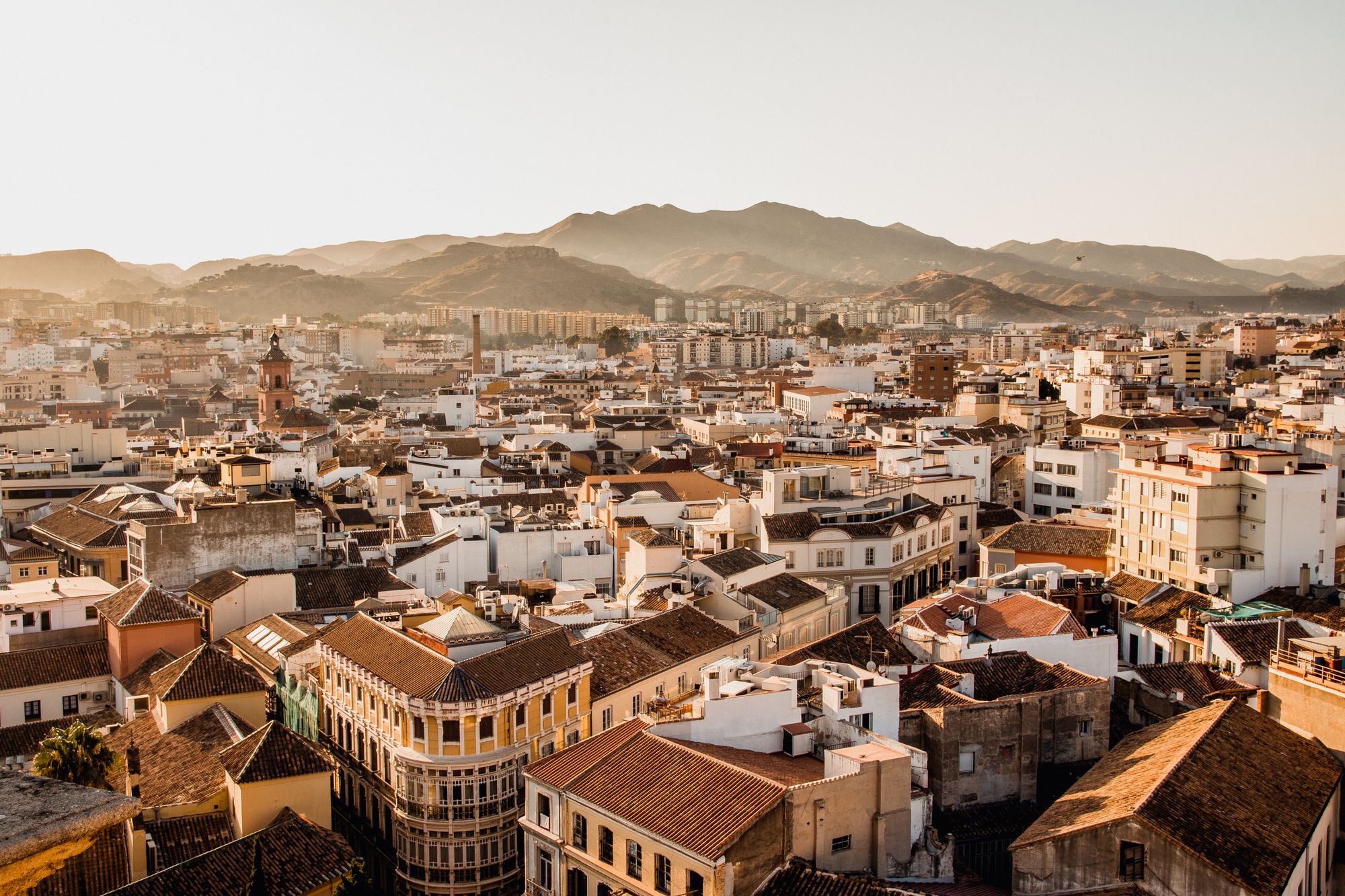
Málaga is the jewel of the Costa del Sol — a sun-drenched Andalusian port city that has transformed itself from a transit hub into one of Spain's most exciting cultural and culinary destinations, birthplace of Pablo Picasso. With 300 days of sunshine per year, outdoor living here is a genuine way of life rather than a tourist promise.
Málaga is the jewel of the Costa del Sol — a sun-drenched Andalusian port city that has transformed itself over the past two decades from a transit hub for package holiday travellers into one of Spain's most exciting cultural and culinary destinations. The birthplace of Pablo Picasso, Málaga has leveraged its artistic heritage to build a museum quarter that rivals Bilbao's in ambition; the Picasso Museum and the Centre Pompidou Málaga anchor a cultural district within the beautifully restored historic centre, while Moorish fortresses and a Roman theatre testify to the city's 3,000-year history. Yet Málaga has not forgotten its role as a Mediterranean beach city — the Malagueta beach is a short walk from the cathedral, the chiringuitos (beach bars) serve excellent fried anchovies and cold Cruzcampo beer from breakfast until midnight, and the climate — 300 days of sunshine per year — makes outdoor living here a genuine way of life rather than a tourist promise.
Top Experiences and Attractions
The Picasso Museum Málaga (Museo Picasso Málaga), housed in the Buenavista Palace, holds over 200 works donated by the artist's family and traces his development from early Realist works through Cubism and beyond — seeing Picasso in his birthplace gives his work a particular resonance. The Alcazaba, an 11th-century Moorish fortified palace built under the Hammudid dynasty, rises directly above the Roman theatre (Teatro Romano) and its tiered ramparts, gardens, and horseshoe arches provide extraordinary views across the port. The Castillo de Gibralfaro, connected to the Alcazaba by a walled passageway, offers the highest viewpoint in the city and panoramic views of the bullring, port, beaches, and mountain backdrop. The Málaga Cathedral — known locally as "La Manquita" (the one-armed lady) because one of its two towers was never completed — is a rich blend of Gothic, Renaissance, and Baroque architecture. The Mercado de Atarazanas, a 19th-century iron market hall incorporating a 14th-century Moorish arch, is one of Spain's finest food markets and the best place to sample local olive oil, fresh anchovies, jamón, and tropical fruits.
Outdoor Adventures
The Caminito del Rey is one of Spain's most spectacular hiking experiences, accessible as a day trip from Málaga (about 60km inland): a restored clifftop walkway pinned to the gorge walls of the Guadalhorce canyon, requiring advance booking but delivering genuinely dramatic scenery. Closer to the city, the Montes de Málaga Natural Park offers forest trails and picnic areas in the hills immediately north of the city. Beach activities on the Malagueta and Pedregalejo beaches include paddleboard rental, kayaking, beach volleyball, and boat trips along the Costa del Sol. The Málaga coastline offers excellent scuba diving around artificial reefs and underwater wrecks at sites accessible from several dive centres in the city.
Cultural and Historical Highlights
Beyond the Picasso Museum, Málaga's growing museum quarter includes the Centre Pompidou Málaga (in the Muelle Uno port development, the only Pompidou Centre outside France), the Carmen Thyssen Museum (Flemish and Spanish art in an 18th-century palace), and the Glass and Crystal Museum in the Palacio del Robledo. Málaga's evening paseo culture — the daily ritual of strolling the Alameda Principal, the Larios street pedestrian zone, and the Muelle Uno waterfront — is one of the most enjoyable and authentic expressions of Andalusian urban life available to visitors. The tapas bar scene in El Palo, Pedregalejo, and the historic centre is exceptional: Málaga's free tapas tradition (a small dish accompanies every drink in traditional bars) makes exploratory bar-hopping both culturally enriching and remarkably affordable. Semana Santa (Holy Week, March/April) brings some of Spain's most elaborate and emotionally intense religious processions through the old town streets.
Practical Visitor Tips
Málaga Airport is one of Spain's busiest, with direct connections from across Europe. The city centre is 8km from the airport and reachable by train (12 minutes, €1.80), bus, or taxi. The historic centre is compact and best explored on foot; the port, cathedral, Picasso Museum, Alcazaba, and Muelle Uno are all within 15 minutes' walk of each other. Book the Caminito del Rey well in advance — entry is timed and slots sell out weeks ahead in spring. The Alcazaba and Gibralfaro are free on Sundays. Eating at market stalls and standing-room tapas bars is dramatically cheaper than restaurant dining; Calle Granada and El Palo neighbourhood are excellent areas for authentic local eating. Spanish is the working language; English is widely spoken in tourist areas.