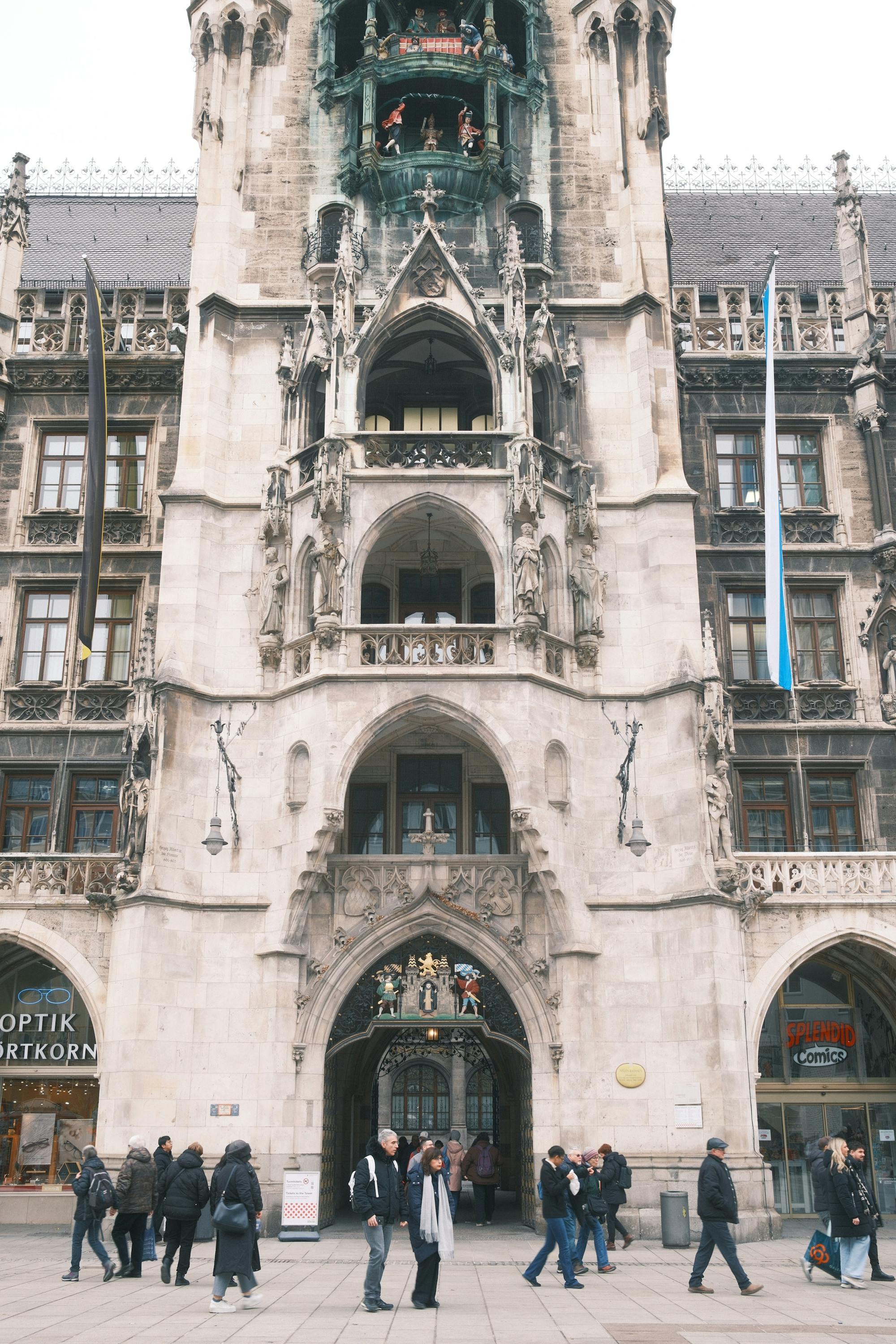
Munich is Bavaria's proud capital and Germany's most visited city after Berlin — a place where baroque architecture, world-class museums, and a deep-rooted beer culture coexist with a cosmopolitan confidence. The city's heart beats around the medieval Marienplatz, its main square presided over by the neo-Gothic Neues Rathaus and its famous Glockenspiel carillon.
Things to Do in Munich
Best Things to Do in Munich
Munich is the Bavarian capital, and it offers far more than Oktoberfest. If you plan to visit Munich, the best experiences combine landmark sights, palace history, major museums, market food, parks, and classic local drinking culture. This guide focuses on fun things that are actually worth your time, with picks based on historical importance, atmosphere, accessibility, seasonal appeal, and overall value for Munich sightseeing. It also helps with timing, since the best time to visit Munich depends on whether you want beer festivals, outdoor parks, Christmas markets, or museum-heavy days.
How We Chose the Best Attractions
We treated this as a broad local-attractions roundup, so 10 entries made the most sense. Munich has enough depth across history, green spaces, royal sites, food, cars, and museums to support a longer list without padding it with weak options.
Our criteria were simple and practical:
Historical significance – places that explain Munich's past and identity
Cultural value – attractions tied to local customs, food, art, and architecture
Ease of access – sites that are straightforward to reach from the main visitor areas
Seasonal appeal – options that work well in summer, winter, or year-round
Visitor experience – places that are memorable, distinct, and genuinely useful for first-time and repeat visitors
Best 10 Things to Do in Munich
1. Explore Marienplatz and the Old Town
If you want the classic starting point for a first trip, begin in the old town around Marienplatz. This central square puts many of the city's best-known landmarks within a short walk and gives you the clearest introduction to Munich's history.
Why It Stands Out
This part of the city brings together architecture, civic history, churches, shopping streets, and the city's most famous public facades. The area centers on the neo-Gothic new town hall, whose richly detailed exterior dominates the square, while the older town hall nearby adds another layer to the historic core. Marienplatz also evolved from a medieval grain market into the symbolic heart of the city.
The Glockenspiel at the Neues Rathaus is still one of the signature sights here and typically performs daily at 11 a.m. and 12 p.m., with an additional 5 p.m. show in warmer months. Look for the Marian Column in the square, then continue outward into lanes that reveal both headline landmarks and a few hidden gems. In December, the annual Christmas market makes this area even busier and more atmospheric.
Best For
First-time visitors who want a high-impact introduction to Munich's landmarks, layout, and civic history.
Key Strengths
Dense concentration of major sights in a walkable area
Excellent base for understanding the city's past and architecture
Strong atmosphere in every season, especially during the holidays
Possible Limitations
Often crowded during peak travel months
Better for walking and sightseeing than for a quiet break
2. Spend Time in the English Garden
The english garden is one of the city's defining outdoor spaces and an easy pick for any shortlist. Known locally as the englischer garten, it covers about 3.7 square kilometers, making it larger than new york's central park and one of Europe's great urban parks.
Why It Stands Out
Established in 1789 by Elector Carl Theodor, the park offers some of Munich's best green spaces for relaxing without leaving the urban core. You can watch Eisbach surfers, stretch out on the lawns, or take a long bike ride through meadows and wooded paths. It is also one of the best places in town for casual people watching, especially on sunny afternoons.
The Monopteros hill temple, commissioned by King Ludwig I, gives you a broad view over the surrounding parkland and city roofs. Several beer gardens sit within the park, including the famous Chinesischer Turm, so it is easy to combine nature with food and drink. There are also paths and corners that feel like hidden gems even though the park itself is a major attraction.
Best For
Visitors who want a flexible outdoor stop that can be active, scenic, or purely relaxing.
Key Strengths
Huge park with room for walking, cycling, and lounging
Distinctive local scenes like the Eisbach wave and Monopteros
Easy to pair with food, drinks, and slow sightseeing
Possible Limitations
Best enjoyed in decent weather
Its size makes quick visits feel a bit rushed
3. Visit Nymphenburg Palace
Schloss Nymphenburg is one of Munich's grandest royal landmarks. It began in the 1600s after Elector Ferdinand Maria gave the land in 1662, and it later developed into the summer residence of the Bavarian court.
Why It Stands Out
The palace is closely tied to the bavarian kings and earlier bavarian rulers who used it as a seasonal retreat outside the denser core of the city. The scale of the complex, the formal French-style gardens, and the long central canal give it a stately feel without the heavier crowds of Marienplatz. Inside and around the grounds, you get a strong sense of court life and dynastic ambition.
One of the most memorable extras here is the Marstallmuseum, where ornate fairy-tale coaches help bring the royal setting to life. The setting is also absolutely stunning when the gardens are green or lightly snow-covered.
Best For
Travelers interested in royal history, palace grounds, and slower half-day sightseeing.
Key Strengths
Major palace with strong royal and architectural significance
Large landscaped grounds ideal for wandering
Excellent museum additions beyond the main state rooms
Possible Limitations
Less central than some first-stop attractions
Best appreciated with enough time to explore the grounds properly
4. Tour the Munich Residenz
The munich residenz is the former royal residence and government seat of the Bavarian monarchy. It is also the largest city palace in Germany, which alone makes it one of the most important historic attractions in Munich.
Why It Stands Out
This is the place to go if you want opulent interiors, ceremonial rooms, and a deep look at court life in central Munich. The complex is vast, with halls, apartments, chapels, and treasury displays that show just how powerful the Wittelsbach dynasty once was. Few places explain the political and ceremonial side of the city so clearly.
Its location also makes it easy to combine with nearby opera, shopping streets, and central squares. The scale can feel overwhelming, but that same depth is what makes it essential.
Best For
Visitors who want a major palace experience without leaving the historic center.
Key Strengths
Exceptionally important royal and political landmark
Rich interiors and collections with real depth
Convenient location near other top central attractions
Possible Limitations
Can feel museum-heavy if you are short on time
Large complex rewards focused planning rather than a rushed pass through
5. Eat and Browse at Viktualienmarkt
Viktualienmarkt is the city centre food market that best captures everyday local flavor. In munich's city centre, just a short walk from Marienplatz, this open-air food market combines shopping, snacking, and atmosphere in a way that works for nearly every itinerary.
Why It Stands Out
The market was moved here in 1807 and now includes over 140 stalls and shops selling produce, flowers, cheeses, meats, breads, spices, and all kinds of cool stuff worth tasting or taking home. It is open daily except Sundays and holidays, which makes it a reliable stop for many visitors. The central beer garden adds a relaxed pause in the middle of the market.
This is one of the easiest places to try german food, sample traditional bavarian food, and sit down with local beer without committing to a formal meal. The area also has several restaurants nearby, so you can keep exploring once you have finished browsing delicacies and seasonal specialties.
Best For
Food-focused visitors, casual grazers, and anyone who wants a lively break between major sights.
Key Strengths
Strong variety of local produce and prepared foods
Very central and easy to fit into any walking route
Great atmosphere without needing a full restaurant booking
Possible Limitations
Best for informal eating rather than a grand sit-down experience
Can get crowded around lunch and in peak tourist periods
6. Experience Munich's Beer Culture
Munich's beer culture is not just about drinking; it is part of the city's identity, rituals, food scene, and social life. A classic beer hall visit feels different from an afternoon in a shaded beer garden, and both belong on the list.
Why It Stands Out
The city's most famous example is Hofbräuhaus, a world-famous beer hall where visitors come for communal tables, music, and hearty plates in a strongly traditional bavarian setting. It is one of the easiest places to pair giant beers with sausages, roast dishes, and other local staples. You will also notice how often traditional bavarian clothes appear in these settings, especially during festival periods and warm-weather weekends.
Beer gardens matter just as much. They are a major part of Bavarian culture, and Munich has numerous historic examples spread across the city. Chinesischer Turm remains one of the most popular, while Hirschgarten is widely known as Bavaria's largest beer garden. In many of these places, bringing your own food is still part of the custom, as long as you buy drinks on site.
Munich is also home to Oktoberfest, the world's largest beer festival, but the scene goes well beyond that one event. In some venues you may catch live music, and across the calendar there is always another beer festival, local celebration, or seasonal taproom experience not far away.
Best For
Visitors who want a direct experience of local customs, food, and social atmosphere.
Key Strengths
Deeply tied to local identity rather than just nightlife
Easy way to combine food, drink, and culture
Plenty of formats, from famous halls to leafy outdoor venues
Possible Limitations
Big-name venues can feel touristy at peak hours
Better if you enjoy communal seating and busy atmospheres
7. Visit Olympiapark
Olympiapark is one of the city's strongest all-round attractions because it combines architecture, scenery, sports history, and broad views. Built for the 1972 Olympics, the olympic park still feels modern thanks to its sweeping landscape design, lake, and futuristic structures.
Why It Stands Out
The olympic stadium remains the visual centerpiece, with its famous tensile roof and regular event schedule. Nearby, the olympic tower serves as the main observation tower for panoramic views across the whole city and beyond. Even without going inside every venue, the grounds are enjoyable to walk because the design still feels ambitious and distinct.
This area also hosts major cultural events throughout the year, so what you do here can vary a lot by season. If available, a guided tour adds useful context and may include behind-the-scenes access linked to sporting spaces and training grounds.
Best For
Travelers who want open space, landmark architecture, and one of the city's best viewpoint areas.
Key Strengths
Strong mix of sightseeing, recreation, and event programming
Major Olympic legacy site with memorable design
Great place for views and photos
Possible Limitations
Some experiences depend on opening hours or event schedules
The site is broad, so quick visits can miss its best features
8. See BMW Welt and the BMW Museum
For visitors interested in design, engineering, or family-friendly exhibits, bmw world and the BMW Museum make an easy and distinctive pair. Located near Olympic Park, they are among the city's most polished modern attractions.
Why It Stands Out
BMW Welt is free to enter and instantly recognizable for its glass-and-steel architecture, including a dramatic form often compared to a double helix. Inside, the displays are sleek and highly visual, with production stories, technology showcases, and current vehicles presented in a way that feels more like an experience center than a static exhibition.
The museum complements that with deeper brand history, including classic BMWs, motorcycles, race machines, and concept cars. Together, the two sites offer a strong contrast to Munich's palaces and churches while still feeling very tied to the city's identity.
Best For
Car enthusiasts, families, and visitors looking for a modern counterpoint to historic sightseeing.
Key Strengths
Distinctive architecture and polished visitor experience
Good mix of history, design, and future-focused displays
Easy to pair with Olympiapark in the same outing
Possible Limitations
Less appealing if you have no interest in cars or industrial design
Museum and exhibition styles can feel brand-forward
9. Explore the Museums and Art District
Munich has over 80 museums, so anyone interested in culture has plenty of choice. The city's amazing museums range from science and technology to old masters, modern art, and decorative design.
Why It Stands Out
The main art district is the Kunstareal, where the Pinakotheken are the core draw. The Alte Pinakothek focuses on 14th- to 18th-century works, while the Pinakothek der Moderne is the better stop for modern art from 1900 onward as well as contemporary art and design. That split makes the area especially useful because visitors can choose based on taste rather than committing to one huge all-purpose museum.
The Deutsches Museum is a different highlight altogether. The deutsches museum is widely known as the world's largest science museum, and it is one of the strongest family-friendly options in the city. Elsewhere, details of art nouveau architecture and collections add another layer for visitors who want style as well as substance.
Best For
Art lovers, curious families, and travelers who want depth beyond the headline landmarks.
Key Strengths
Exceptional range, from science to old masters to cutting-edge design
Kunstareal makes museum-hopping relatively easy
Strong rainy-day option with serious cultural payoff
Possible Limitations
Too much choice can make planning harder
Full museum days may not suit visitors focused on outdoor activities
10. Take a Day Trip to Dachau Memorial Site
A day trip to Dachau is one of the most important excursions from Munich, even if it is not an easy one emotionally. The site was the first nazi concentration camp opened in 1933 and later served as a model for subsequent camps.
Why It Stands Out
Today, Dachau functions as a memorial and museum that provides essential context for the history of Nazi Germany. It is reachable by S-Bahn in about 30 minutes, so it is very manageable from Munich. Many visitors choose a guided tour because the site is heavy, complex, and best understood with informed explanation.
This is a sobering visit, not a casual attraction, but it adds crucial historical perspective to any broader understanding of Bavaria and Germany.
Best For
Visitors who want meaningful historical context and are prepared for a serious memorial experience.
Key Strengths
Historically essential and educational
Easy to reach from Munich by public transport
More impactful with expert interpretation
Possible Limitations
Emotionally difficult and not suitable for every itinerary
Requires a respectful, unhurried visit
Quick Comparison of the Best Attractions
Marienplatz and the Old Town – Best for first-time landmark-focused walking
English Garden – Best for outdoor relaxation, surfing views, and long strolls
Nymphenburg Palace – Best for royal grounds and a calmer half-day visit
Munich Residenz – Best for palace interiors and dynastic history
Viktualienmarkt – Best for local produce, snacks, and market atmosphere
Munich beer culture – Best for classic food, social dining, and local customs
Olympiapark – Best for views, architecture, and event spaces
BMW Welt and the BMW Museum – Best for cars, design, and family-friendly exhibits
Museums and Kunstareal – Best for art, science, and rainy-day culture
Dachau Memorial Site – Best for historical reflection and context
How to Choose the Right Attractions
Choose Based on Your Interests
If you care most about landmark-heavy walking, start with Marienplatz, the Residenz, and Viktualienmarkt. If you prefer outdoor breaks, prioritize the English Garden and Olympiapark. If you want museums, build around Kunstareal and the science collections.
Choose Based on Season
Summer is best for parks, market lunches, terrace stops, and even open air cinema events around the city. Winter is stronger for palace interiors, museums, and festive squares, especially when the old center fills with seasonal lights and market stalls. If you are coming in early March, Starkbierfest can be a good alternative festival period to Oktoberfest.
Choose Based on Time and Energy
With one day, focus on the center: Marienplatz, Viktualienmarkt, a palace or museum, and a classic beer stop. With two or three days, add Olympiapark, Nymphenburg, and a museum district day. If you want an excursion, Dachau is the most historically important, while Neuschwanstein Castle linked to King Ludwig II is the more famous scenic option, though it usually takes more planning and often includes a train or bus ride.
Which Option Is Best for You?
Choose Marienplatz and the Old Town if you need the clearest first look at all the sights.
Choose the English Garden if you want fresh air, local atmosphere, and flexible outdoor time.
Choose Nymphenburg Palace if your priority is royal grounds and a slower palace visit.
Choose the Munich Residenz if you want the city's most substantial palace interiors.
Choose Viktualienmarkt if you want easy food stops in the middle of sightseeing.
Choose Munich beer culture if you want social dining and a direct feel for local customs.
Choose Olympiapark if you want landmark views and striking 20th-century architecture.
Choose BMW Welt and the BMW Museum if you want a polished modern attraction.
Choose the museums and art district if your focus is culture and depth.
Choose Dachau Memorial Site if you want serious historical context from a nearby excursion.
Final Thoughts
Munich works well because its best attractions are varied rather than repetitive. You get royal complexes, strong museum infrastructure, major parks, memorable food stops, and a city center that is easy to explore on foot. That variety is what makes the city good for both short breaks and longer stays.
If you want the strongest all-around plan, start with Marienplatz, Viktualienmarkt, the English Garden, a beer stop, and either the Residenz or a top museum. If your interests are more specific, Munich is broad enough to support them, whether that means palaces, cars, park time, or darker historical context.
For a brief practical note, visitors who want to stay close to the market and major sights often look at Louis Hotel for its design-forward style, comfy rooms, and quick access to the center. If convenience matters more than style, staying near the central station can make airport transfers and day excursions simpler.