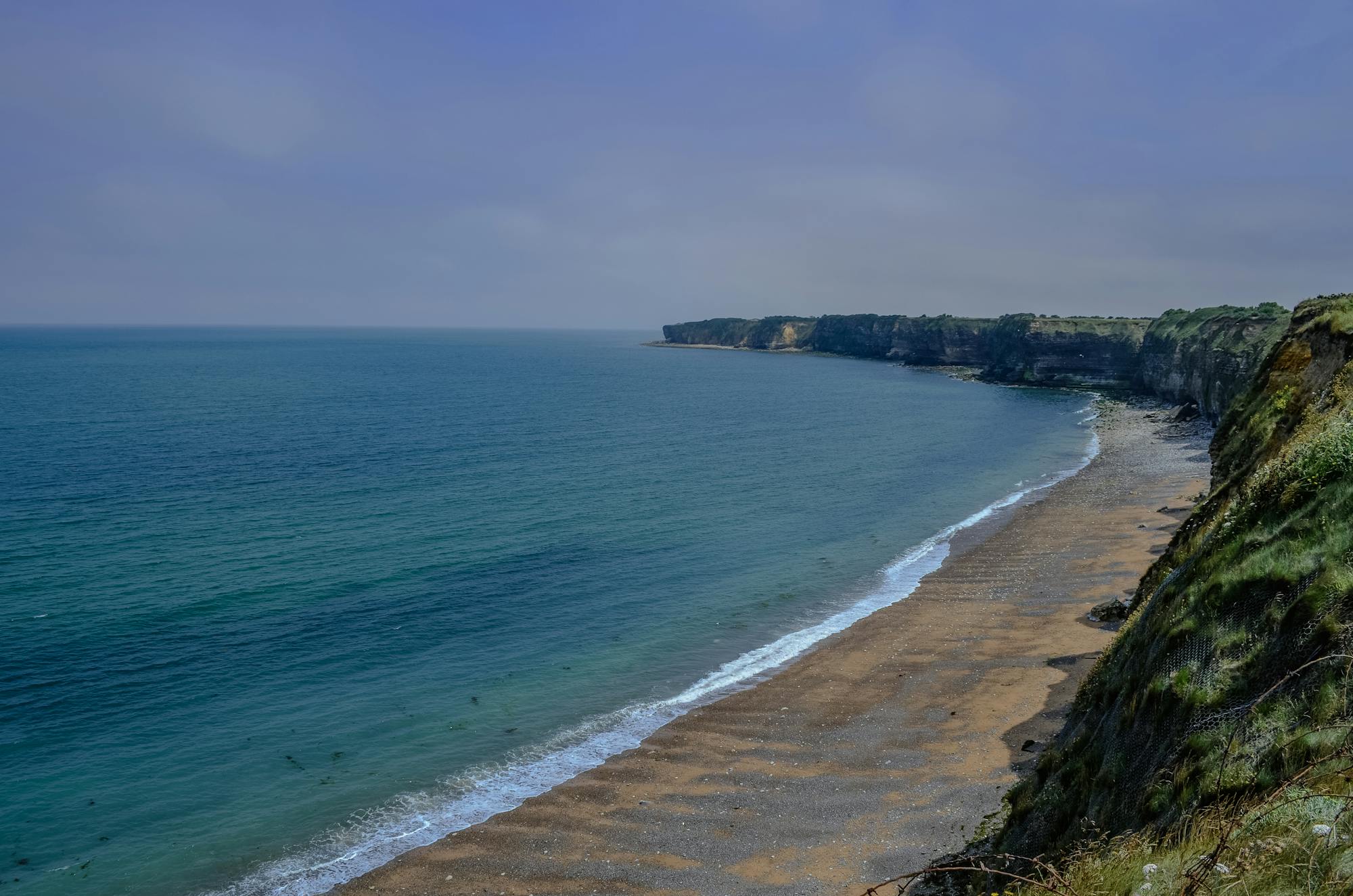
Normandy is one of France's most historically layered and scenically dramatic regions — a place where WWII history, medieval architecture, and spectacular chalk coastlines converge, where William the Conqueror launched the invasion of England in 1066 and Allied forces stormed the beaches on D-Day in June 1944. Normandy rewards travellers who take time to go slowly.
Normandy is one of France's most historically layered and scenically dramatic regions — a place where WWII history, medieval architecture, and spectacular chalk coastlines converge. This is where William the Conqueror launched the invasion of England in 1066, where Allied forces stormed the beaches on D-Day in June 1944, and where Claude Monet found the light to paint his most celebrated canvases. The region offers an extraordinary range of experiences: solemn war cemeteries at dawn, fresh oysters at a harbourside café in Honfleur, the gothic drama of Mont-Saint-Michel rising from the tidal flats, and the white chalk cliffs of Étretat at sunset. Normandy rewards travellers who take time to go slowly.
Top Attractions
The D-Day beaches are the most significant historical sites in France for many visitors. Omaha Beach, Utah Beach, Gold, Juno, and Sword beaches stretch along the Calvados and Manche coast, each with moving memorials, cemeteries, and museums. The Mémorial de Caen provides the best contextual introduction to the Normandy campaign, while the American Cemetery at Colleville-sur-Mer above Omaha Beach — 9,387 white marble crosses overlooking the sea — is profoundly affecting. Mont-Saint-Michel is Normandy's most iconic image: a medieval abbey rising from a tidal island connected to the mainland by a causeway, with winding medieval streets and extraordinary views. The Étretat cliffs on the Alabaster Coast are among Europe's most dramatic coastal scenery — the natural arches and needle rock formations inspired Monet, Maupassant, and generations of artists. Bayeux is a beautifully preserved medieval town home to the extraordinary 70-metre Bayeux Tapestry, which tells the story of the Norman Conquest with remarkable detail and vivacity, and is one of the world's most remarkable medieval artefacts.
Local Culture and Food
Normandy's cuisine is rich, dairy-led, and deeply satisfying. The region produces some of France's most celebrated cheeses: Camembert, Livarot, and Pont-l'Évêque are all Norman, and sampling them at a local fromagerie is essential. Calvados — apple brandy — is the emblematic Norman spirit; distilleries throughout the Pays d'Auge offer tastings. Normandy's apple orchards also produce excellent dry and sparkling cidre, the local alternative to wine. Seafood is outstanding: Normandy oysters (particularly from Isigny and Utah Beach bay), scallops (coquilles Saint-Jacques from the Bay of Brest), and sole normande are specialities. The port towns of Honfleur and Cherbourg have excellent seafood restaurants. Monet's house and garden at Giverny — the inspiration for the Water Lilies series — is one of France's most visited sites and a visual delight in spring and summer.
Day Trips and Excursions
From Bayeux (the ideal base for D-Day beaches), it is 30–45 minutes by car to most of the major landing beaches, memorials, and museums. Rouen, the Norman capital, is a magnificent medieval city with a stunning Gothic cathedral, timber-framed streets, and the site of Joan of Arc's martyrdom — easily reached from the Seine valley. The Alabaster Coast from Étretat to Fécamp to Dieppe offers a spectacular clifftop driving and walking route with fishing villages, dramatic scenery, and excellent local fish restaurants. For Monet enthusiasts, Giverny near Vernon is an easy day trip from either Bayeux or Rouen, with the famous water lily garden at its most beautiful in May and June.
Practical Tips
A car is essential for exploring Normandy properly — public transport between attractions is very limited. The region is about 2–3 hours by road from Paris (take the A13 motorway). Trains run Paris–Caen and Paris–Rouen frequently. The D-Day beaches stretch over 80 km of coastline, so plan which sites matter most to you and don't try to see everything in a day. The best months to visit are May–September for the warmest weather; spring (May–June) is particularly lovely with lush green countryside and blooming apple orchards. Entrance to many war memorials is free, though museums charge €8–15. Normandy cidre is sold in every supermarket and makes an excellent gift — look for artisan producers in the Pays d'Auge.