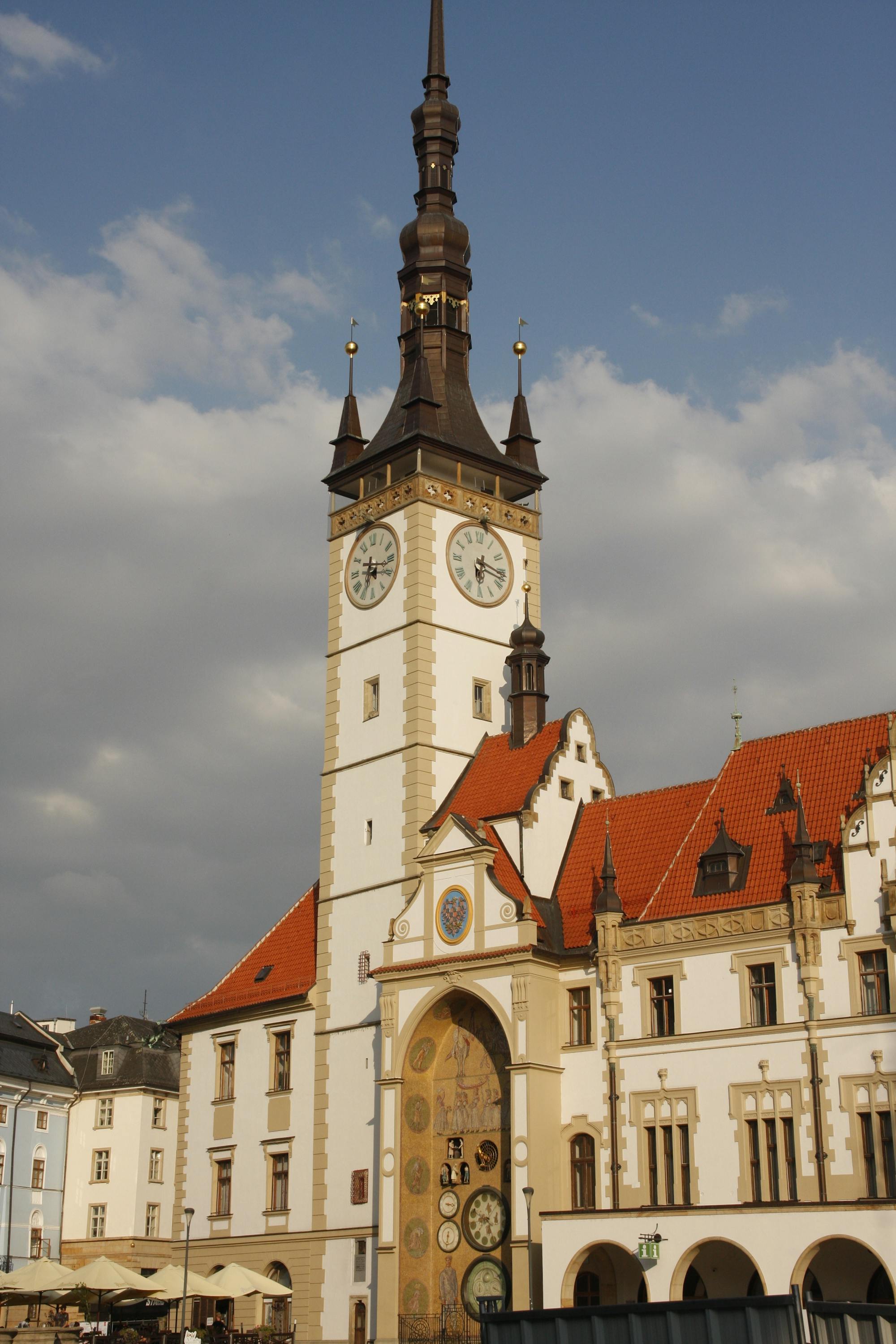
Ostrava, the Czech Republic's third-largest city, is one of Central Europe's most compelling industrial heritage destinations and an increasingly popular choice for travellers seeking authentic, off-the-beaten-path experiences. For over a century the city was dominated by coal mining and steel production, and its transformation of that legacy into world-class culture, architecture, and nightlife is genuinely impressive.
Industrial Heritage: Dolní Vítkovice and Landek Park
Ostrava's most famous attraction is the Dolní Vítkovice industrial complex — a vast 19th-century ironworks and coking plant that has been transformed into one of Europe's most impressive industrial heritage sites. Guided tours take visitors through the blast furnaces, gas holders, and underground tunnels, while the Bolt Tower offers panoramic views across the city and to the distant Beskydy mountains. The neighbouring Landek Park focuses on the coal-mining heritage, with an open-air museum, underground mine tours, and a collection of mining equipment. Together, these two sites alone justify a dedicated half-day, and both are listed as National Cultural Monuments.
Culture and the Arts
Ostrava punches well above its weight culturally. The Janáček Theatre stages opera and ballet of a quality that rivals Prague, and the city is rightly proud of its connection to composer Leoš Janáček, who was born here. The Ostrava Museum covers the city's history from medieval times through the industrial era. The Gallery of Fine Arts holds an impressive collection of 20th-century Czech and Slovak art. Each year the city hosts Colours of Ostrava, one of Central Europe's largest music festivals, drawing international headliners to the atmospheric Dolní Vítkovice backdrop — a genuinely unforgettable setting for live music.
The City Centre and Architecture
Ostrava's city centre (Centrum) rewards exploration on foot. Masarykovo náměstí and the surrounding streets contain a rich mix of Art Nouveau, Baroque, and Functionalist architecture. The New City Hall observation tower offers the best free views in Ostrava. The nearby Stodolní Street is the heart of the city's nightlife, lined with bars, clubs, and restaurants that fill up from Thursday through Saturday. The Black Meadow (Černá louka) exhibition area along the Ostravice river hosts regular events, markets, and open-air concerts.
Day Trips from Ostrava
Ostrava's location makes it an excellent base for day trips. The Beskydy mountains are just 40 minutes by car or bus, offering hiking, cycling, and skiing (in winter) in a beautifully unspoiled landscape. The historic town of Opava, with its intact Baroque and Renaissance architecture, is a 30-minute drive west. Across the border in Poland, the city of Katowice — another post-industrial city undergoing a remarkable cultural renaissance — is under an hour away and worth an afternoon. The UNESCO-listed historic centre of Olomouc is reachable in under 90 minutes by train.
Food and Drink
Ostrava's food scene is evolving rapidly. The city has a strong tradition of hearty Moravian and Silesian cooking — expect svíčková (beef sirloin in cream sauce), goulash, and roast duck alongside excellent Moravian wines. A growing number of modern Czech restaurants and international dining options have opened in the centre and in repurposed industrial spaces. The local craft beer scene is thriving, with several excellent brewpubs. Food markets at Černá louka offer a lively weekend atmosphere with local produce, street food, and artisan goods.