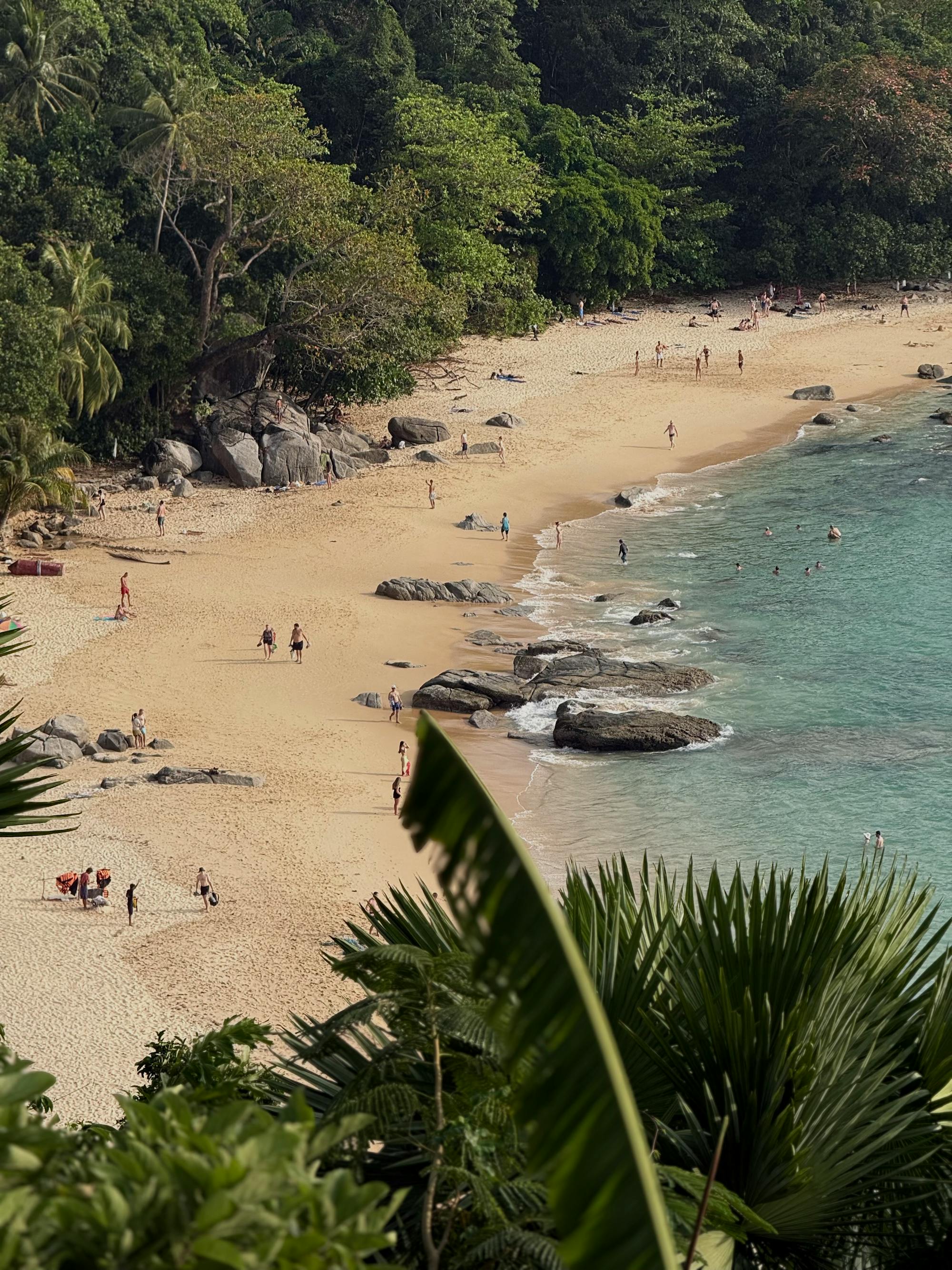
Phuket is Thailand's largest island and most internationally famous beach destination — extraordinary natural beauty where the Andaman Sea meets limestone cliffs, hidden coves, and pale sand beaches, combined with a historic old town, world-class diving, and Phang Nga Bay's dramatic karst landscape.
Phuket is Thailand's largest island and its most internationally famous beach destination — a place of extraordinary natural beauty where the Andaman Sea meets sheer limestone cliffs, hidden coves, and long arcs of pale sand fringed by coconut palms. The island has been welcoming international visitors since the 1980s and has developed a tourism infrastructure that ranges from ultra-luxury resort compounds to backpacker guesthouses, world-class diving schools to rooftop cocktail bars with views over the jungle canopy. Yet Phuket is more than its beaches: the island's historic Sino-Portuguese old town offers colourful shophouses and excellent street food; Phang Nga Bay to the north is one of Southeast Asia's most dramatic natural landscapes; and the surrounding Andaman Sea contains some of the world's finest dive sites. Phuket rewards visitors who look beyond the Patong strip.
Top Attractions
Patong Beach is Phuket's most famous and most developed beach — a long sweep of sand fronted by a dense strip of hotels, restaurants, bars, and water-sports operators. It is lively and convenient but crowded; those seeking quieter beaches should head to Kata and Karon (family-friendly, less hectic), Surin and Kamala (upscale, beautiful, popular with long-stay visitors), or the dramatically secluded Nai Harn in the south. Phang Nga Bay, accessible by speedboat or longtail from the north of the island, is one of Southeast Asia's great natural wonders: hundreds of limestone karst islands rising from jade-green water, including James Bond Island (Ko Tapu, from The Man with the Golden Gun). Phuket Old Town (Phuket Town) is a UNESCO-recognised historic district of Sino-Portuguese shophouses, Chinese shrines, and excellent restaurants — a refreshing contrast to the beach resort areas. The Big Buddha on Nakkerd Hill, a 45-metre white marble Maravija Buddha visible from much of the island, offers panoramic views and a peaceful atmosphere.
Local Experiences and Activities
Scuba diving and snorkelling are the island's premier activities. The Similan Islands Marine National Park (3 hours north by speedboat) is consistently rated among the world's top ten dive destinations — visibility can reach 30 metres and the sea life includes whale sharks, manta rays, and pristine coral gardens. Day trips and liveaboard dive safaris depart from Phuket's marinas. Koh Phi Phi (1.5 hours by ferry) is the island group immortalised in the film The Beach — spectacular limestone cliffs, turquoise bays, and snorkelling with blacktip reef sharks at Shark Point. A Thai cooking class at one of Phuket's home kitchens covers southern Thai cuisine, which is distinctly different from the north — fiery, coconut-rich, and seafood-heavy. Sea kayaking through the caves and mangroves of Phang Nga Bay is an outstanding experience, accessible through guided tours from Phuket Town or Ao Por pier.
Day Trips and Nearby Destinations
Koh Phi Phi is the most popular day trip from Phuket — speedboats depart hourly from Rassada Pier and reach Phi Phi Don in around 90 minutes. A full-day trip typically includes snorkelling at Koh Phi Phi Leh (where Maya Bay from The Beach is located), swimming in Pileh Lagoon, and lunch on Phi Phi Don. Phang Nga Bay tours include visits to the bay's sea caves, floating Muslim fishing villages on stilts, and James Bond Island. Koh Yao Noi and Koh Yao Yai, twin islands in Phang Nga Bay, offer an authentic Thai island atmosphere with basic guesthouses and excellent cycling — a world away from Phuket's resort development. Krabi (1.5–2 hours by ferry) provides access to the spectacular Railay Beach Peninsula, reachable only by longtail boat.
Food and Drink Culture
Southern Thai cuisine is fiery, aromatic, and seafood-driven — distinct from the milder dishes of central Thailand. Gaeng tai pla (salted fish innards curry, intensely flavoured) is a regional specialty for adventurous eaters. Pad sataw (stink beans stir-fried with shrimp paste and seafood) and fresh grilled seafood sold by weight at beachside restaurants are other highlights. Phuket Town has the island's best non-resort food scene: the night market on Thalang Road, the morning market on Ranong Road, and the cluster of Michelin-recommended street food stalls along Dibuk and Thalang Roads. The Phuket-style dim sum, a legacy of the island's Hokkien Chinese community, is outstanding and found at coffee shops that open at 5am. Fresh seafood restaurants on Rawai Beach, at the southern tip, offer fish, prawns, crab, and lobster at prices well below resort restaurants.
Practical Tips
Phuket is large — 48 km long — and there is no efficient public transport between beaches. Renting a scooter (200–300 baht/day) or hiring a car gives the most freedom; taxis and Grab operate island-wide but can be expensive over longer distances. The Andaman coast's monsoon runs from May to October — seas can be rough, some beaches close, and boat trips to outlying islands may be cancelled; the best weather is November to April. Jellyfish are occasionally a problem on Andaman beaches, particularly in May–June; purple warning flags at beaches indicate their presence. Nightlife in Patong centres on Bangla Road — a strip of open-air bars and clubs that is lively but can feel overwhelming; for a more relaxed evening, Kamala and Surin have excellent beachfront restaurants and bars.