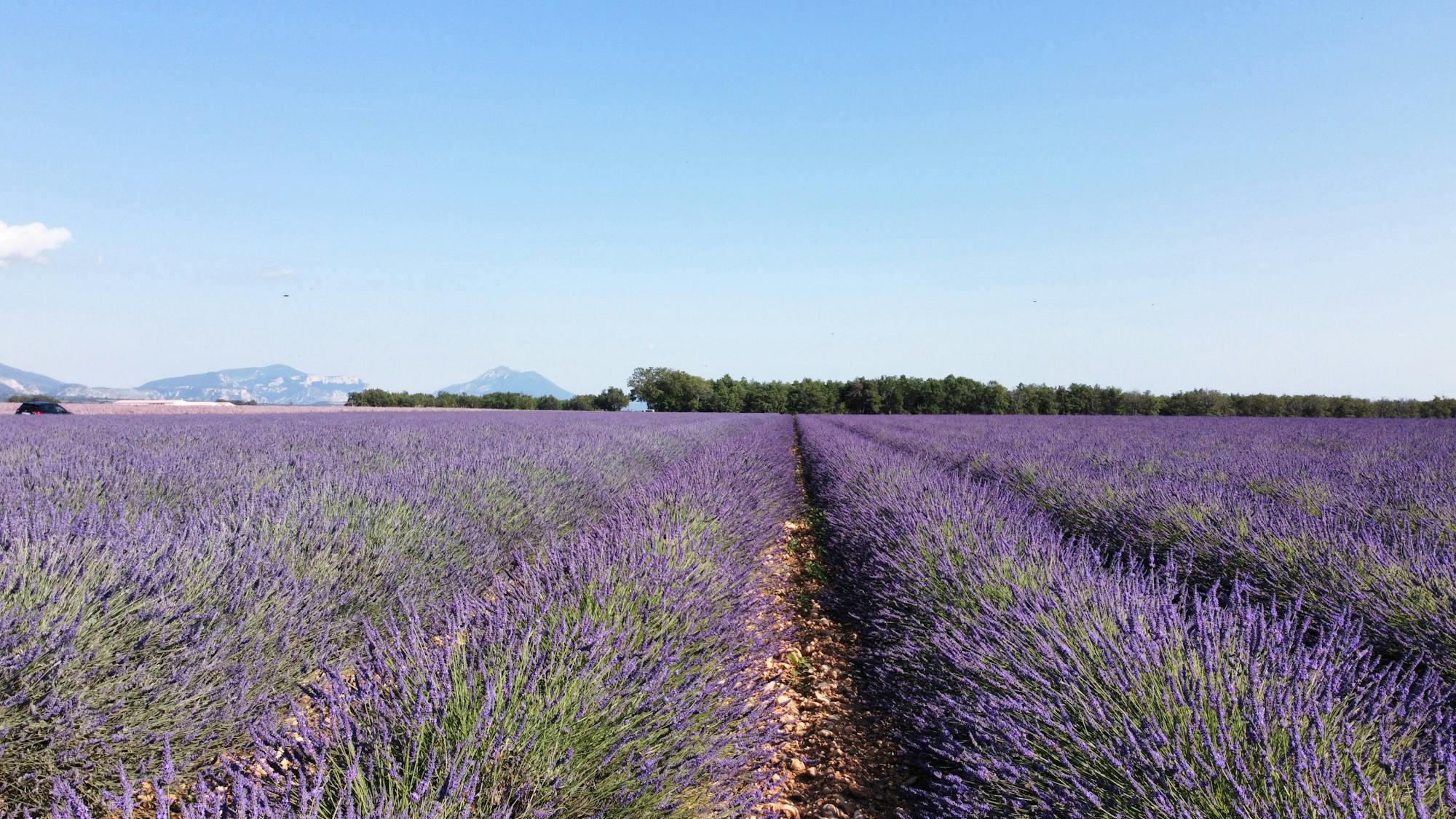
Provence is the France of the imagination — a sun-drenched landscape of purple lavender fields, ancient Roman monuments, weekly village markets fragrant with herbs and olives, and perched hilltop villages gazing out over the Mediterranean hinterland. It is a place of intense sensory pleasure: the scent of thyme and rosemary in the garrigue, the sound of cicadas in August, rosé wine at a café terrace in Aix-en-Provence, and the extraordinary light that made Cézanne and Van Gogh reach for their brushes.
Provence is the France of the imagination — a sun-drenched landscape of purple lavender fields, ancient Roman monuments, weekly village markets fragrant with herbs and olives, and perched hilltop villages gazing out over the Mediterranean hinterland. This vast region of south-eastern France stretches from the Rhône Valley east to the Italian border, from the lavender plateaux of the Luberon north to the wild Camargue marshes in the south. It is a place of intense sensory pleasure: the scent of thyme and rosemary in the garrigue, the sound of cicadas in August, rosé wine at a café terrace in Aix-en-Provence, and the extraordinary light that made Cézanne and Van Gogh reach for their brushes.
Top Attractions
The lavender fields of the Luberon and Plateau de Valensole are Provence's most iconic image, reaching their purple peak in late June and July. The village of Gordes, perched dramatically on a limestone cliff above the Luberon valley, is one of France's most beautiful. Avignon is a magnificent walled medieval city dominated by the enormous Palais des Papes, where the Catholic papacy was based for 67 years in the 14th century. The Pont du Gard near Nîmes is a spectacular Roman aqueduct of three tiers dating from the 1st century AD. Aix-en-Provence is a graceful university city with the Cézanne trail leading to his studio and the landscapes that inspired him. The Calanques — dramatic limestone fjords between Marseille and Cassis — offer some of the most spectacular coastal scenery in Europe.
Local Culture and Food
Provençal cuisine is sun-soaked, vegetable-rich, and deeply aromatic. Key dishes include bouillabaisse (the great Marseille fish stew), tapenade (olive paste), ratatouille, and soupe au pistou. Markets are central to Provençal life: the Saturday market in Aix-en-Provence, and the famous Sunday antiques market in L'Isle-sur-la-Sorgue are outstanding. Local wines — Côtes de Provence rosé, Bandol rouge, and Châteauneuf-du-Pape — are among France's most celebrated. Van Gogh spent 15 months in Arles, producing over 300 works inspired by the extraordinary Provençal light.
Day Trips and Excursions
From Avignon, the Châteauneuf-du-Pape wine village is just 20 km north, with numerous cellars open for tasting. The Gorges du Verdon — Europe's grandest canyon with turquoise-green waters 700 metres below its limestone rim — is spectacular. From Marseille, boat trips to the Calanques National Park take 30–60 minutes. The beautifully preserved Roman city of Arles can be combined with a visit to the wild Camargue wetlands — home to white horses, black bulls, and pink flamingos — in a single day.
Practical Tips
A car is almost essential for exploring Provence outside the main cities. The TGV reaches Avignon, Aix-en-Provence, and Marseille from Paris in 2.5–3 hours. The best time to visit is June (for lavender) or September (when the heat eases and tourist numbers drop). July and August are extremely hot (35–40°C) and very crowded. Book accommodation and restaurants at least two months ahead for peak summer. Carry water everywhere and wear sun protection — the Provençal sun is intense.