Reykjavik is unlike any other capital city on Earth — a compact, colourful, fiercely creative metropolis of just 130,000 people perched on the edge of the Arctic, where steaming geothermal pools, volcanic landscapes, and the Aurora Borealis are as much a part of daily life as world-class museums and legendary nightlife. As the world's northernmost capital, Reykjavik offers experiences that exist nowhere else: swimming in geothermal waters under the Northern Lights, whale watching from the harbour, and watching the sun set at midnight in summer.
Things to Do in Reykjavik
Best Things to Do in Reykjavik
Reykjavik Iceland is the country's capital city and the easiest place to start an Iceland trip, with a compact layout, strong food scene, and quick access to major sights. Visiting Reykjavík works well whether you want museums, harbor views, thermal bathing, or easy access to bigger adventures beyond town. Exploring Reykjavík is especially rewarding because this small city blends cosmopolitan life with stunning natural wonders, and with a population of about 133,000, it feels manageable without feeling dull.
This guide focuses on the attractions and experiences that stand out most in the Icelandic capital, from major landmarks and museums to food, waterfront activities, and spa stops. We prioritized places that are genuinely worth your time in downtown Reykjavík and beyond, while also including experiences that connect the city to a broader Icelandic adventure.
Before ranking the options, it's worth noting that 10 is a realistic list size here. The attraction landscape is broad and clearly segmented between museums and other cultural attractions, food experiences, geothermal bathing, wildlife, iconic landmarks, quirky indoor stops, and day trips, so a shorter list would leave out categories travelers actually care about.
How We Chose the Best Things to Do in Reykjavik
We chose these picks based on how useful they are to first-time and repeat visitors, how well they represent Icelandic culture, and how distinct they feel from one another. We also looked at whether an experience helps you understand the city itself, whether it opens the door to Iceland's bigger landscapes, and whether it is practical to fit into a short stay.
That means we included central landmarks, meaningful museum stops, local food, geothermal experiences, and a few options that work especially well as gateways to day trips outside the city. We also favored attractions that help visitors connect city life with the landscapes, history, and natural wonders that make Iceland memorable.
Best 10 Things to Do in Reykjavik
1. Hallgrímskirkja
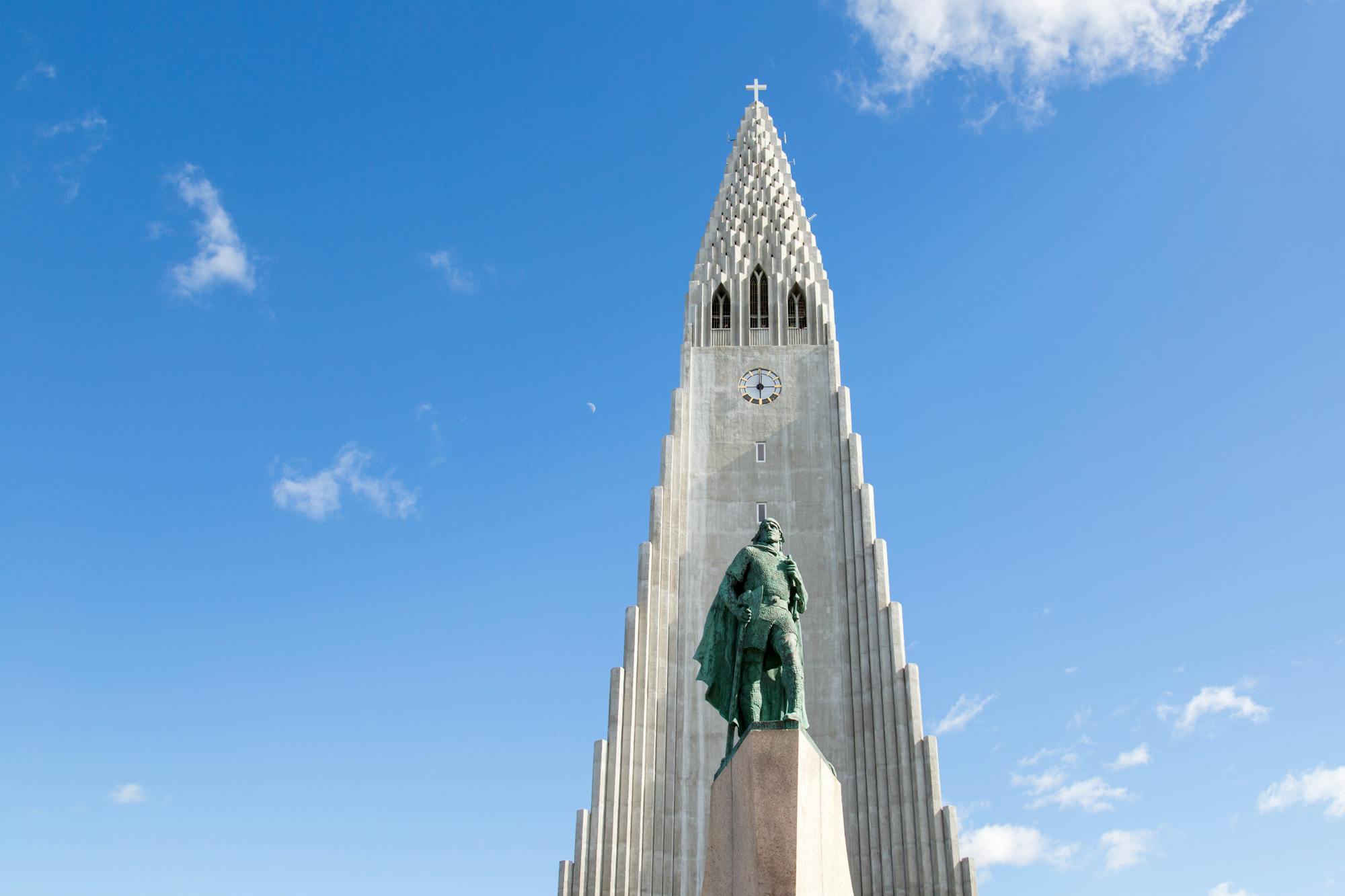
Hallgrímskirkja is one of the city's defining landmarks and an easy first stop if you want to get your bearings. The church is an impressive building that took nearly 40 years to build, stands 244 feet tall, and rewards the elevator ride with panoramic views over the city center and surrounding mountains.
Why It Stands Out
Few places give you a better overview of the layout of the city, from colorful rooftops to the waterfront and distant peaks. It also helps you understand how compact Reykjavík is before you dive into the neighborhoods below.
Best For
First-time visitors, photographers, and anyone who wants a high-level view before walking through town.
Key Strengths
One of the most recognizable landmarks in the city
Excellent observation deck for orientation
Easy to pair with nearby streets, cafés, and shops
Possible Limitations
The tower can attract lines at peak times
It is more about views and architecture than exhibits
2. Harpa Concert Hall
Harpa Concert Hall is Reykjavík's best modern landmark, known for its striking glass façade and waterfront setting. Completed in 2011, it hosts various performances and serves as the home of the Iceland Symphony Orchestra and the Icelandic Opera.
Why It Stands Out
It combines architecture, performance, and location in one place. Even if you do not attend a show, the building itself is worth seeing for its design and harbor views.
Best For
Travelers interested in architecture, live performance, and contemporary urban culture.
Key Strengths
Major cultural venue with a strong event calendar
Distinctive architecture and photo appeal
Easy to combine with a waterfront walk
Possible Limitations
The full experience depends on what is on during your visit
Performance tickets may need advance booking
3. Old Harbour Whale Experience
The Old Harbour is one of the best places to spend part of a day if you want a mix of waterfront atmosphere and marine excursions. It is the main departure point for whale watching in the city, and whale watching tours operate year-round from Reykjavík's harbor.
Why It Stands Out
This is where the city connects directly to the bay and the open water beyond it. Many watching tours are educational as well as scenic, and in Faxa Bay, minke whales and humpback whales are among the species commonly spotted.
Best For
Wildlife lovers, families, and travelers who want an active harbor experience rather than another museum stop.
Key Strengths
Easy access from central areas
Strong chance of seeing marine life in season
Lively waterfront setting with shops and cafés nearby
Possible Limitations
Conditions and sightings depend on weather and season
Boat trips may not suit travelers prone to seasickness
4. Sun Voyager
The Sun Voyager is one of Reykjavík's most photographed waterfront landmarks, and the Sun Voyager statue remains a favorite at sunrise and sunset. The sculpture was created to celebrate Reykjavík's 200th anniversary and symbolizes exploration, hope, and forward movement rather than a literal Viking ship.
Why It Stands Out
It is simple, elegant, and perfectly placed for dramatic coastal views. It also works well as a stop between the harbor area and the eastern waterfront.
Best For
Photographers, short-stay visitors, and anyone building a scenic walking route.
Key Strengths
Iconic public artwork in a memorable setting
Quick and easy stop on foot
Excellent for coastal photos in changing light
Possible Limitations
It is a brief stop rather than a long activity
Best experienced in clear weather or good light
5. Tjörnin and Nearby Landmarks
Tjörnin Lake, known locally as "the pond," is one of the calmest and prettiest areas in the city. It is a pleasant place to walk, watch birds including arctic terns in summer, and see nearby civic landmarks such as Reykjavík City Hall.
Why It Stands Out
This area shows a quieter side of the city while keeping you close to major churches, squares, and historic streets. It feels local, central, and easy to fit into any itinerary.
Best For
Travelers who enjoy walking, birdlife, and low-key scenic stops between bigger attractions.
Key Strengths
Relaxed atmosphere in a highly accessible part of town
Good mix of nature and urban views
Near several historic and civic landmarks
Possible Limitations
More of a walk-and-see area than a major attraction
Bird activity varies with season
6. National Museum of Iceland
The National Museum of Iceland is one of the best places to understand the country beyond surface-level sightseeing. This national museum features over 2,000 artifacts and gives strong context for Icelandic history, settlement, religion, daily life, and identity.
Why It Stands Out
If you want a grounded introduction to the country, this museum delivers it clearly. The exhibits tie the story of the island directly to Icelandic culture in ways that make later sightseeing more meaningful.
Best For
History-minded travelers, first-time visitors, and anyone who wants cultural context early in the trip.
Key Strengths
Deep, well-organized historical overview
Strong artifact collection
Excellent rainy-day option
Possible Limitations
Less appealing if you prefer only outdoor activities
Best appreciated when you allow enough time to read exhibits
7. Settlement Exhibition
The Settlement Exhibition is built around the remains of a Viking longhouse and offers a glimpse into early Icelandic life. It is one of the most focused museum experiences in town, making the settlement era feel tangible rather than abstract.
Why It Stands Out
Instead of covering everything, it concentrates on the earliest layers of urban and domestic life in Iceland. That narrower focus makes it memorable and easy to fit into a walking day.
Best For
Travelers interested in archaeology, early settlement, and compact museum visits.
Key Strengths
Unique longhouse-centered exhibit
Strong historical storytelling
Convenient stop in the older part of town
Possible Limitations
Smaller scope than broader history museums
Better as a complement than your only museum visit
8. Geothermal Bathing in the City
Reykjavík's geothermal culture is not limited to luxury resorts. Local hot springs traditions live on in neighborhood pools, and many city facilities feature geothermally heated outdoor pools that locals use year-round.
Why It Stands Out
Geothermal pools are central to Icelandic culture, so this is one of the most authentic everyday experiences you can have. Nauthólsvík Geothermal Beach is especially notable for its lagoon with hot geothermal water, offering something different from the standard pool visit.
Best For
Travelers who want a local experience, budget-conscious visitors, and anyone curious about everyday life in Iceland.
Key Strengths
More local and affordable than luxury spa visits
Relaxing in all seasons
Great way to experience everyday Reykjavík life
Possible Limitations
Facilities vary by location
Less luxurious than destination spa properties
9. Blue Lagoon or Sky Lagoon
The Blue Lagoon remains the best-known premium spa option near the city, with milky mineral-rich water and a polished visitor experience. Sky Lagoon offers a more intimate feel closer to town and is known for its seven-step spa-like ritual experience. Each geothermal spa appeals to travelers who want a more elevated wellness stop than the city's public pools.
Why It Stands Out
These are the high-end bathing experiences most visitors picture when they plan a trip to Iceland. The Blue Lagoon is a popular geothermal spa near Reykjavík, while Sky Lagoon has become a favorite for modern design and ocean views.
Best For
Couples, luxury travelers, and visitors who want a signature spa experience.
Key Strengths
Memorable, polished spa environments
Strong facilities and scenic settings
Easy to fit before or after flights with planning
Possible Limitations
More expensive than city pools
Advance booking is often essential
10. Downtown Food and Shopping
The most flexible way to spend a few hours is simply walking through downtown Reykjavik, where the city center is compact and easily walkable. Central Reykjavik is where you will find boutiques, bars, bakeries, and Laugavegur, the main shopping street and the core of downtown reykjavík life.
Why It Stands Out
This is the best area for combining people-watching, shopping, snacks, and casual sightseeing without overplanning. It is also where many travelers try the city's signature street food at Bæjarins Beztu Pylsur, famous for hot dogs that have been served since 1937.
Best For
Food-focused visitors, short stays, and anyone who enjoys walking between shops, cafés, and landmarks.
Key Strengths
Easy, flexible area to explore on foot
Strong mix of retail, food, and nightlife
Good place to sample local specialties
Possible Limitations
Can feel busy during peak tourist periods
Prices in central areas can be high
Quick Comparison of the Best Things to Do in Reykjavik
Hallgrímskirkja – Best for panoramic city views
Harpa Concert Hall – Best for architecture and performances
Old Harbour Whale Experience – Best for wildlife and harbor activity
Sun Voyager – Best for iconic waterfront photos
Tjörnin and Nearby Landmarks – Best for a quiet scenic walk
National Museum of Iceland – Best for historical context
Settlement Exhibition – Best for Viking-era insight
Geothermal Bathing in the City – Best for local thermal culture
Blue Lagoon or Sky Lagoon – Best for premium relaxation
Downtown Food and Shopping – Best for casual exploring, eating, and shopping
How to Choose the Right Things to Do
Choose Based on Your Interests
If you care most about history and heritage, start with the museum stops. The National Museum and Settlement Exhibition are the clearest windows into the country's past, while areas around Tjörnin add civic and historic atmosphere.
Choose Based on Weather
In wet or windy conditions, Harpa, museums, and indoor tasting experiences are safer bets. On clear days, Hallgrímskirkja, the harbor, and the waterfront become much more rewarding.
Choose Based on Time
If you only have one day, focus on Hallgrímskirkja, the harbor, Tjörnin, and a walk through Laugavegur. If you have longer, add thermal bathing, a museum or two, and one excursion outside town.
Which Option Is Best for You?
Choose Hallgrímskirkja if you need the best overview of the city.
Choose Harpa Concert Hall if you want architecture and live culture in one stop.
Choose Old Harbour Whale Experience if your priority is wildlife on the water.
Choose National Museum of Iceland if you want the strongest historical foundation.
Choose Blue Lagoon or Sky Lagoon if relaxation is a key part of your itinerary.
Choose Downtown Food and Shopping if you prefer flexible sightseeing with easy meals and browsing.
More Great Experiences to Add
If you have more time, there are several worthwhile additions that do not need full ranking entries but can strongly improve a trip.
A stop at the Icelandic Phallological Museum is a genuinely unusual option, with over 280 specimens and a reputation for being one of the city's quirkiest attractions.
FlyOver Iceland is a smart rainy-day or family choice because it offers an immersive overview of Iceland's nature and the wider Icelandic landscape without repeating standard museum content.
For food-focused travelers, food tours are a practical way to sample Icelandic cuisine early in the trip. Reykjavik's guided tastings often include traditional and modern dishes, hot dogs-adjacent street food culture, lamb soup, and sweets; Icelandic lamb soup is one of the most common traditional dishes, and Omnom Chocolate won best milk chocolate in 2018.
If you want the city's iconic stand specifically, Bæjarins Beztu Pylsur is known for its famous hot dogs, and many visitors call it the best hot dog stop in town. Icelandic hot dogs are typically made from lamb, pork, and beef, which gives them a different character from standard versions elsewhere.
Best Excursions from Reykjavík
The city is also the easiest launch point for classic excursions. The Golden Circle is the most popular route and includes Þingvellir National Park, Gullfoss, and Geysir, making it the simplest first choice for travelers who want major highlights in one outing.
The south coast is another favorite because it packs in waterfalls, glacier views, and black sand beaches. A standard South Coast outing lasts about 10 hours, so it works best if you are comfortable with a full day on the road.
For something more active, some travelers add Silfra, where you can snorkel between two tectonic plates in Iceland.
Practical Tips for Getting Around
The Reykjavík City Card can be worth it if you plan to visit multiple museums and pools in a short stay. It is especially useful across the Reykjavik capital area if you want to combine attractions with public transport.
Public buses cover the greater Reykjavik area efficiently, making them a solid option for many urban itineraries. From Keflavík Airport, the Flybus connects to town every 30–45 minutes, and taking an airport bus is often easier than arranging a transfer on arrival.
A rental car makes the most sense if you plan several excursions beyond the city. It adds flexibility, but parking in central areas can be challenging, while bicycles can be rented in good weather for shorter in-town trips.
Best Time to Visit
Summer runs from mid-May to mid-August and brings the warmest temperatures, longest days, and the midnight sun, which is ideal for extended sightseeing. Winter lasts from October to April and is the best season for the northern lights, with the aurora borealis most commonly sought from September to April.
May and September are often ideal if you want fewer crowds while still keeping decent daylight and easier logistics. If seeing the lights matters most, get outside the brightest parts of town and stay flexible with weather conditions.
Final Thoughts
There is no single perfect way to experience Reykjavík because the city works on several levels at once: landmark sightseeing, museums, food, thermal culture, and access to bigger landscapes. As a base for visit Iceland planning, it is hard to beat.
For most travelers, Hallgrímskirkja, Harpa, the harbor, one good museum, and either a local pool or premium spa make the strongest all-around mix. If your schedule allows, adding one classic excursion beyond town is what turns a good city break into a much fuller Iceland experience.