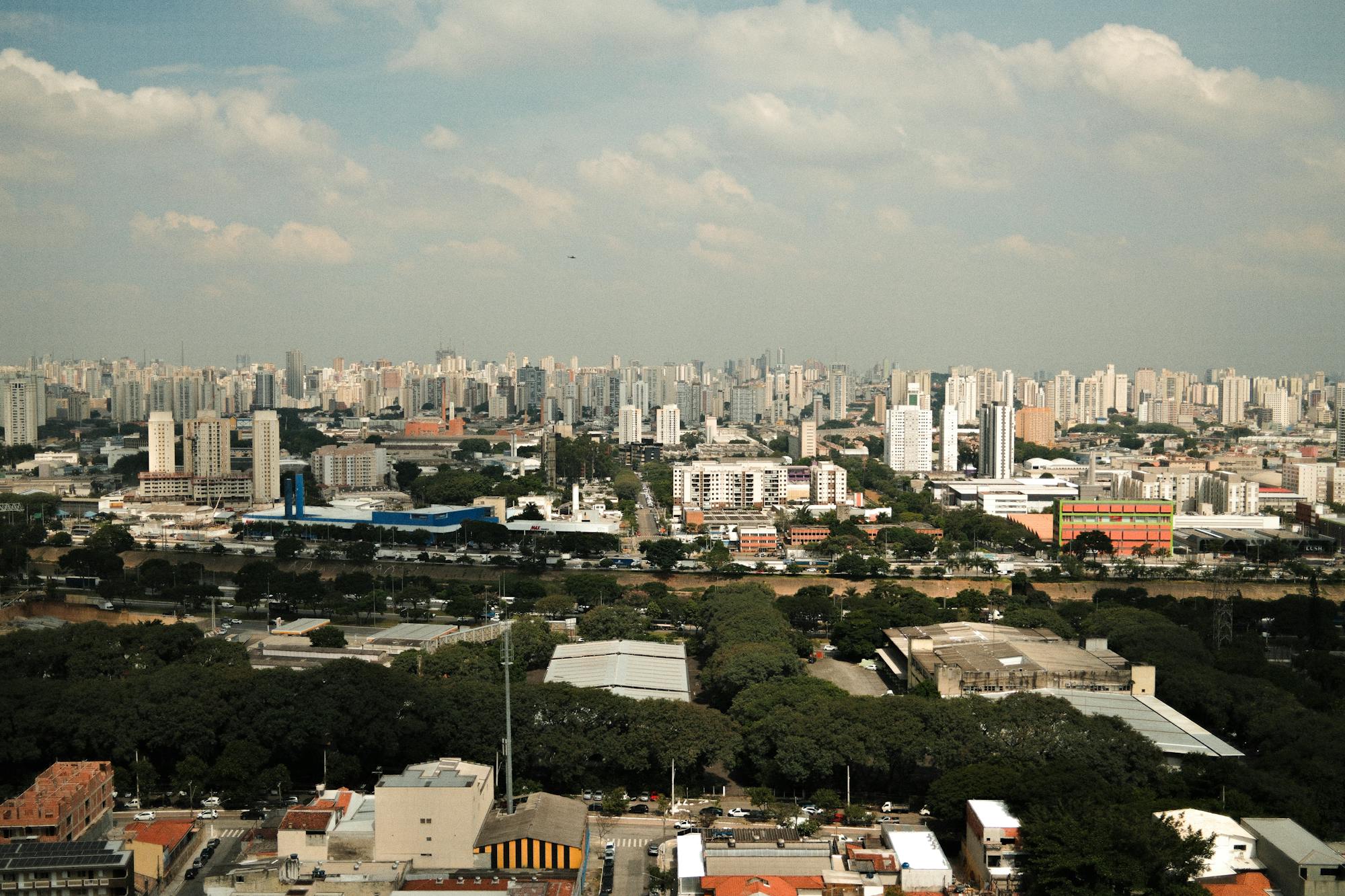
São Paulo is South America's largest city and one of the world's great megacities — a relentlessly energetic metropolis of over 22 million people that is Brazil's financial engine, cultural capital, and gastronomic heart. While Rio de Janeiro seduces with natural beauty, São Paulo wins visitors over with sheer intensity and sophistication: a museum scene that rivals many European capitals, the finest restaurant concentration in Latin America, a nightlife that runs until dawn, and an extraordinary diversity of immigrant communities.
Top Attractions
The Museu de Arte de São Paulo (MASP) on Avenida Paulista is one of Latin America's greatest art museums — housed in a stunning 1968 building suspended on red concrete pillars, its collection includes works by Raphael, Rembrandt, Renoir, and an exceptional Brazilian art section. Ibirapuera Park, designed by Oscar Niemeyer, is São Paulo's answer to Central Park — 158 hectares of greenery housing several excellent museums including the Museu Afro Brasil and the Museu de Arte Moderna (MAM). Avenida Paulista is São Paulo's grand boulevard — a 2.8km spine of skyscrapers, cultural institutions, restaurants, and on Sundays a pedestrian paradise. The Mercado Municipal (Mercadão) is an extraordinary neo-Gothic market building from 1933 packed with exotic produce, dry goods, and the famous mortadella sandwich that is a Paulistano institution. The Pinacoteca do Estado near the historic center is a beautifully restored 1905 building with an outstanding collection of Brazilian art.
Unique Experiences
São Paulo offers experiences unique to its specific character. The Liberdade neighborhood, home to South America's largest Japanese community, is a world unto itself — Japanese groceries, ramen shops, mochi sellers, and the Museu da Imigração Japonesa chart an extraordinary community history. The Vila Madalena and Pinheiros neighborhoods are the epicenter of São Paulo's arts and nightlife scene — the famous Batman Alley (Beco do Batman) is covered floor-to-ceiling in constantly changing street art. Attend a match of Corinthians, São Paulo FC, Palmeiras, or Santos — football is a religion in this city, and the passion at Brazilian stadium games is extraordinary. Visit the Instituto Inhotim in Brumadinho (4 hours by bus) — an extraordinary outdoor contemporary art park set in 5,000 acres of Atlantic Forest.
Day Trips from São Paulo
São Paulo's position in Brazil's most densely urbanized corridor makes it an excellent base for regional exploration. Campos do Jordão, 2.5 hours in the mountains, is a charming mountain resort town styled after a Bavarian village — excellent for hiking, cable cars, and cold-weather food at altitude. Ilhabela, 3 hours away with a short ferry, is a stunningly beautiful island with Atlantic Forest, waterfalls, and excellent beaches — one of Brazil's most under-rated destinations. Paraty, 5 hours south on the Green Coast, is a UNESCO World Heritage colonial town with perfectly preserved 18th-century architecture and beautiful boat trip access to secluded coves. Brotas, 3.5 hours from São Paulo, has become Brazil's adventure sports capital with white-water rafting, rappelling, and ziplining.
Food and Culture
São Paulo's food scene is arguably the best in Latin America — a direct reflection of the city's extraordinary immigrant heritage and economic dynamism. Japanese food in Liberdade rivals Tokyo — exceptional sushi, izakayas, and ramen from chefs trained in Japan. Italian cuisine in Bixiga (São Paulo's Little Italy) produces excellent homemade pasta and wood-fired pizza. The Consolação and Augusta bar and restaurant strip offers cutting-edge contemporary Brazilian cuisine alongside world-class cocktail bars. Balcão-style breakfast at traditional padarias (bakeries) — eating a buttered bread roll with strong coffee standing at the counter — is an authentic Paulistano ritual. The city has more Michelin-starred restaurants than any other South American city, and chefs like Alex Atala (D.O.M.) have placed Brazilian cuisine firmly on the world stage. Culturally, the Bienal de São Paulo is one of the world's premier contemporary art exhibitions, held biennially at Ibirapuera Park.
Practical Tips
São Paulo is vast — use the Metro and CPTM train network to navigate efficiently between neighborhoods, supplemented by Uber for areas not well-served by transit. Traffic is notoriously bad — avoid driving during peak hours (7–10am, 5–8pm). The city's best neighborhoods for visitors — Jardins, Pinheiros, Vila Madalena, Itaim Bibi — are relatively safe but standard urban precautions apply throughout. São Paulo Fashion Week and the Bienal de Arte are major events that affect hotel prices and availability. The city's size and lack of obvious tourist landmarks means it rewards travelers who invest time in understanding its neighborhoods — a local food tour or neighborhood walk with a guide is one of the best ways to unlock the city's complexity. Weather is subtropical — expect warm days year-round but pack a layer for cool evenings, particularly in winter (June–August).