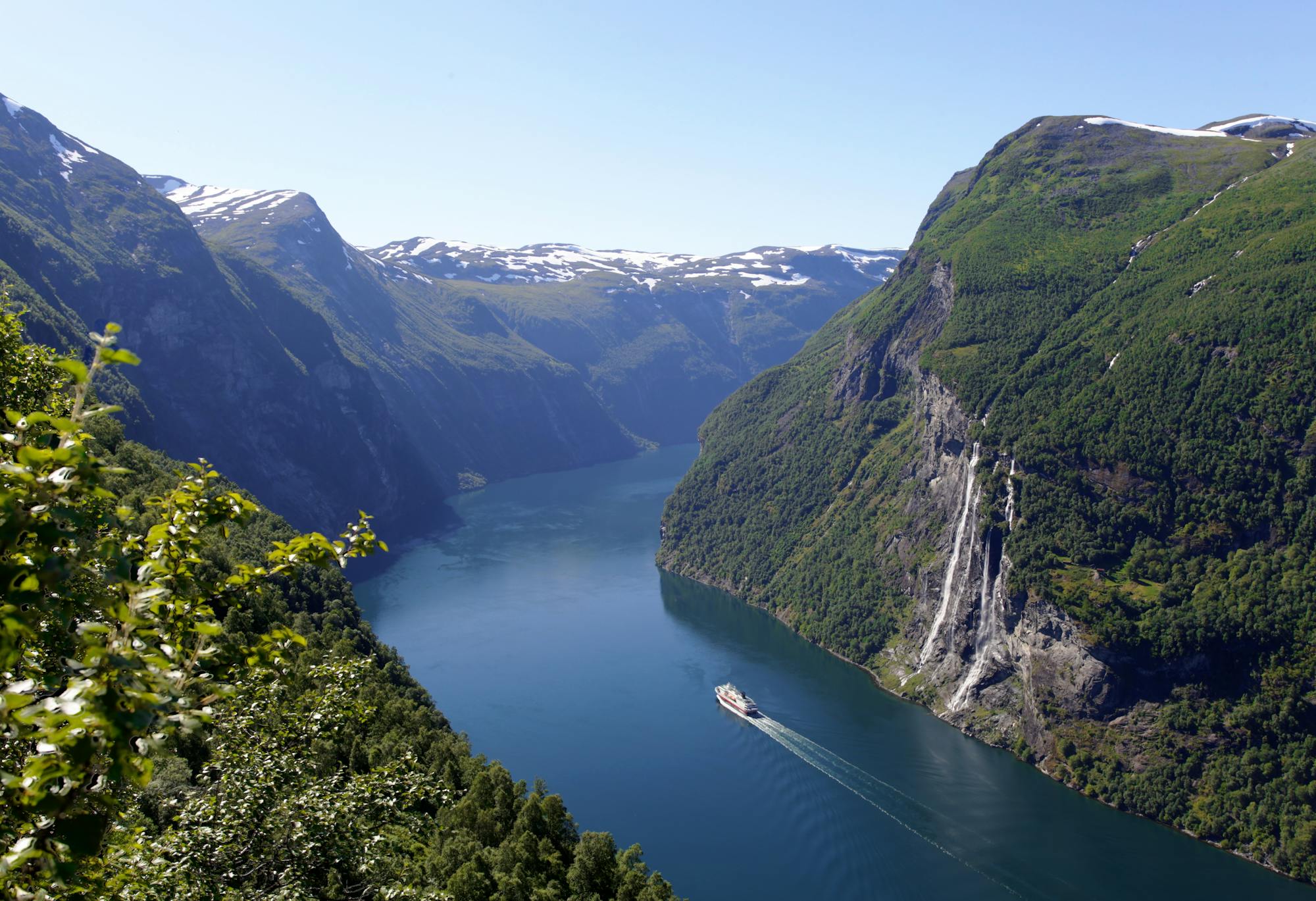
Scandinavia — encompassing Norway, Sweden, and Denmark — is a region of extraordinary contrasts, from the world's deepest fjords and Viking longship museums to hyper-modern design capitals with Michelin-starred restaurants and vast wilderness areas where the Northern Lights paint the winter sky. Its culture, shaped by centuries of seafaring and a profound relationship with nature, produces a unique form of understated, high-quality travel experience that few regions on Earth can match.
Things to Do in Scandinavia
Best Things to Do in Scandinavia
If you're searching for the best things to do in Scandinavia, the real intent is usually practical: which places and experiences are most worth your time across the Scandinavian countries, and which broader Nordic countries are also worth including in the plan. This list focuses on the most worthwhile places to visit, from vibrant cities and major cultural stops to Arctic adventures, island escapes, and natural wonders. Scandinavia stands out for its natural beauty, a diverse array of trip styles, and a rich cultural history that makes city breaks, scenic journeys, and seasonal travel all equally compelling.
How We Chose the Best Things to Do in Scandinavia
This is a broad travel category, so a top 10 list is justified. We selected options based on scenery, cultural value, ease of access, seasonality, and traveler fit. Some picks are among the best cities for museums and food, while others are better for fjords, hiking, wildlife, or winter experiences. The goal was to include distinct choices that help different travelers decide where to go first.
Best 10 Things to Do in Scandinavia
1. Explore the Norwegian fjords
The Norwegian fjords are one of the defining experiences in the region, especially if you want dramatic scenery and classic Norway highlights in one trip.
Why It Stands Out
This is where you'll see steep cliffs, crystal-clear waters, and waterfalls dropping down the rock faces. A fjord cruise is a signature experience here, and a guided boat tour or independent boat trip can reveal the scale of landscapes that are hard to appreciate from land alone.
Best For
Travelers who want iconic scenery, photographers, and anyone planning a scenic rail-and-water itinerary.
Key Strengths
Sognefjord is the country's longest and deepest fjord.
Geirangerfjord and Nærøyfjord are famous UNESCO World Heritage examples, with Nærøyfjord also recognized as a UNESCO World Heritage Site.
The Norway in a Nutshell journey combines ferries, trains, and roads for some of Norway's most stunning landscapes.
Possible Limitations
Popular routes can be busy in peak season.
Weather can change quickly even in summer.
The famous Flåm Railway adds another major draw, with views across deep valleys and villages framed by long fjords. If you are planning a road trip through western Norway, you will notice that many travelers follow the same route for good reason: the scenery is exceptional, and some of the most photogenic stretches connect directly to charming towns along the water.
2. Hike to Pulpit Rock near Stavanger
Pulpit Rock is one of Norway's best-known hikes and a major reason many visitors include the Stavanger area in their itinerary.
Why It Stands Out
The hike delivers a dramatic viewpoint over Lysefjord without requiring technical climbing, making it one of the most accessible big-view adventures in the region.
Best For
Nature lovers, active travelers, and visitors who want a rewarding day hike.
Key Strengths
One of Norway's most famous viewpoints.
Easy to pair with a fjord-focused trip.
Great choice for travelers who prefer landscapes over museums.
Possible Limitations
Trails can be crowded in summer.
Conditions vary a lot outside the warm season.
This part of Norway works especially well if you want to spend a few hours on a memorable hike without committing to a longer expedition.
3. Visit the Lofoten Islands in northern Norway
The Lofoten Islands are among the most visually striking destinations in northern Norway, with jagged peaks, fishing villages, and a strong seasonal appeal.
Why It Stands Out
This archipelago sits further north than most first-time visitors expect, which makes it ideal for Arctic-style experiences without losing comfort and infrastructure.
Best For
Travelers focused on hiking, photography, and seasonal adventure.
Key Strengths
Scandinavia offers hiking in Norway's Lofoten Islands.
Excellent for outdoor activities like kayaking, surfing, and scenic driving.
Great place to see the midnight sun in summer or the northern lights in colder months.
Possible Limitations
Distances and weather can complicate plans.
Car rental is often the easiest way to explore.
If you want classic Arctic contrasts, this is a place to head north for bright summer nights or return in darker months for aurora viewing.
4. Discover Stockholm's historic core and archipelago
Stockholm combines major museums with waterside scenery, making it one of the most complete urban trips in the region.
Why It Stands Out
Gamla Stan is Stockholm's medieval old town, and it remains the city's most atmospheric district. In the Old Town, you can wander a charming old town of narrow lanes, cobblestone streets, and landmark buildings including the Royal Palace, one of the largest in Europe, and the Nobel Museum.
Best For
Travelers who want a city break with history, museums, and islands in easy reach.
Key Strengths
The Vasa Museum houses a 17th-century warship and is one of the city's standout attractions.
Djurgården is home to several museums and parks.
A boat trip into the archipelago opens up access to roughly 30,000 islands, where kayaking is especially popular.
Possible Limitations
Peak summer prices can be high.
Museum-heavy itineraries may feel packed on a short visit.
You can spend hours walking between waterfront viewpoints, cafés, and the central market square before leaving the center for the islands.
5. See Helsinki and Suomenlinna
Helsinki offers a calmer capital-city experience, with strong architecture, coastal views, and easy access to a major island fortress.
Why It Stands Out
Set on the Baltic Sea, the city combines design, history, and maritime character in a way that feels distinct from the larger capitals.
Best For
Travelers looking for a compact city break or a good starting point for wider Finland travel.
Key Strengths
Helsinki is home to landmarks like the Helsinki Cathedral.
Suomenlinna is a UNESCO World Heritage Site and an easy excursion from the city.
The waterfront setting makes day trips and harbor time part of the appeal.
Possible Limitations
It has fewer headline sights than Stockholm or Copenhagen.
Weather can feel brisk outside summer.
If you only have a few hours, the center is easy to cover on foot, but staying longer makes it easier to appreciate the sea setting and slower pace.
6. Explore Viking history in Oslo and Roskilde
For travelers drawn to the region's past, Oslo and Roskilde are two of the strongest picks for understanding the Viking Age.
Why It Stands Out
This is one of the clearest ways to connect viking history with real artifacts, reconstructed vessels, and place-based context rather than broad summaries.
Best For
History enthusiasts, history buffs, and families who want museums with strong storytelling.
Key Strengths
The Viking Ship Museum in Oslo displays ships over a thousand years old.
Roskilde's Viking Ship Museum features fourteen Viking ships from the fjord.
These are among the most important viking museums for understanding maritime skills, trade, and viking heritage.
Possible Limitations
Best appreciated if you enjoy museum visits.
Some travelers may prefer pairing this with other city sightseeing.
If you want to go deeper, Denmark also has major sites tied to the period, including Jelling and Lindholm Høje, while Ribe Viking Center adds interactive context that makes the subject more vivid.
7. Experience Denmark through Copenhagen and Aarhus
Denmark is ideal if you want urban culture, manageable distances, and everyday livability built into the travel experience.
Why It Stands Out
Copenhagen is known for its royal palaces, strong design scene, and Tivoli Gardens, while cycling is a way of life in Denmark and shapes how both locals and visitors move through the city.
Best For
Travelers who enjoy city culture, walkable neighborhoods, and food-focused travel.
Key Strengths
Copenhagen connects history with modern urban design.
Aarhus, on the eastern shore of the Jutland Peninsula, offers a younger atmosphere and hosts a Carnival every May.
Odense adds literary appeal through Hans Christian Andersen and his legacy.
Possible Limitations
Denmark is less dramatic than Norway for mountain scenery.
Big-city stays can be expensive in summer.
Copenhagen is the country's largest city, while Aarhus is a strong second stop if you want a different pace and fewer crowds.
8. Go to Finnish Lapland and Swedish Lapland for Arctic travel
If your priority is winter adventure or light-filled Arctic summer, this is one of the strongest regional choices in the Nordics.
Why It Stands Out
Finnish Lapland and Swedish Lapland deliver the vast wilderness many travelers picture when they imagine the far north, with forested expanses, snowy landscapes, and long seasonal contrasts around the Arctic Circle.
Best For
Travelers chasing winter activities, aurora viewing, or unusual summer light.
Key Strengths
Rovaniemi is known for Santa Claus Village and for crossing the Arctic Circle.
Dog sledding is one of the classic ways to experience the region.
The best time to see the northern lights is from October to March, especially under a clear, dark sky.
Possible Limitations
Winter travel requires more planning and a higher budget.
Daylight hours can be very limited in midwinter.
The aurora borealis is visible in northern Norway, Sweden, Finland, and Iceland, but these areas are especially good if you want to combine it with snow-based experiences. For summer, the midnight sun runs from late May to late July, so this is the moment to head north if endless daylight is part of the appeal.
9. Stay at the Icehotel in Jukkasjarvi
A stay at the Icehotel is one of the most unusual overnight experiences in the region and deserves to stand on its own rather than being folded into a generic Lapland stop.
Why It Stands Out
Jukkasjarvi is home to the original Icehotel, built annually, and the property balances novelty with real design value.
Best For
Travelers who want a memorable winter stay or a standout stop on a Sweden itinerary.
Key Strengths
Icehotel features art suites made from ice.
Icehotel 365 offers year round accommodation kept at -5 °C.
The concept feels immersive rather than gimmicky, especially when combined with Arctic excursions.
Possible Limitations
It is a splurge compared with standard lodging.
Remote access is part of the experience, but also part of the effort.
This works particularly well for couples and travelers who want one special Arctic stop instead of a long expedition.
10. Add Iceland for spas, wildlife, and dramatic landscapes
While Iceland is not part of Scandinavia in the strict geographic sense, it is often included in Nordic itineraries and easily earns a place in this comparison.
Why It Stands Out
An Iceland trip offers a concentrated mix of geothermal bathing, wildlife excursions, and raw scenery that feels very different from mainland routes.
Best For
Travelers who want contrast, flexibility, and high-impact scenery in a relatively short trip.
Key Strengths
The Blue Lagoon is the best-known geothermal spa, but Iceland also has many hot springs.
Whale watching is available year round in some areas, with seasonal differences affecting species and sea conditions.
Hiking in the Highlands adds a more rugged side to the trip.
Possible Limitations
Costs are high across transport, lodging, and food.
Weather can disrupt plans in any season.
Choose responsible operators that view marine life in its natural habitat, especially if wildlife is a main priority.
Quick Comparison of the Best Things to Do in Scandinavia
Norwegian fjords – Best for iconic scenery and classic Norway itineraries
Pulpit Rock – Best for a rewarding day hike
Lofoten Islands – Best for Arctic-style scenery and seasonal adventure
Stockholm – Best for museums, islands, and city atmosphere
Helsinki – Best for a compact coastal capital break
Oslo and Roskilde – Best for Viking-focused travel
Copenhagen and Aarhus – Best for culture-rich Denmark trips
Finnish Lapland and Swedish Lapland – Best for winter and aurora travel
Icehotel – Best for a unique overnight stay
Iceland – Best for geothermal experiences and wildlife
How to Choose the Right Scandinavia Trip
The right choice depends less on a single must-see and more on the kind of trip you want to build across the Nordic countries.
Choose Based on Season
Summer is best for pleasant weather in July and August, while shoulder seasons in May and September usually mean fewer crowds and easier logistics. Winter transforms the region into a snowy wonderland from December to February. For aurora trips, October to March is the key window, and for continuous daylight, the midnight sun is best from late May to late July.
Choose Based on Interests
If you care most about scenery, prioritize fjords, islands, and Arctic regions. If culture matters more, the best cities in the region offer royal sites, museums, and architecture. Travelers interested in food should also make time for Nordic spas and culinary experiences, since many city breaks now combine wellness and dining unusually well.
Choose Based on Travel Style
Some travelers want a capital-city itinerary, while others prefer to move between remote landscapes and small town stops. A self-drive plan works well in Norway and Iceland, while Denmark and Sweden are often easier for rail-and-city travel. If you want to continue beyond the main mainland routes, the Faroe Islands add remote coastal scenery and a very different pace.
Which Option Is Best for You?
Choose the Norwegian fjords if you need the most classic Scandinavian scenery.
Choose Stockholm if you want a balanced city trip with museums and island access.
Choose Finnish Lapland or Swedish Lapland if your priority is Arctic travel and winter experiences.
Choose Iceland if you want geothermal relaxation, wildlife, and dramatic hiking.
Choose Copenhagen and Aarhus if you prefer culture, design, and easy urban travel.
Final Thoughts
Scandinavia and the wider Nordic countries reward different kinds of travelers, so the best choice depends on whether you care most about cities, nature, food, or season-specific experiences. Norway is the strongest all-around pick for dramatic landscapes, especially if fjords are high on your list. Stockholm is one of the best urban choices, while Lapland is ideal for snow, light phenomena, and colder-season adventure. For food, New Nordic cuisine has become one of the region's defining draws: the movement began in Scandinavian countries in the 2000s and emphasizes local, seasonal, and sustainable ingredients, often highlighting foraged delicacies and updated classics such as smørrebrød.