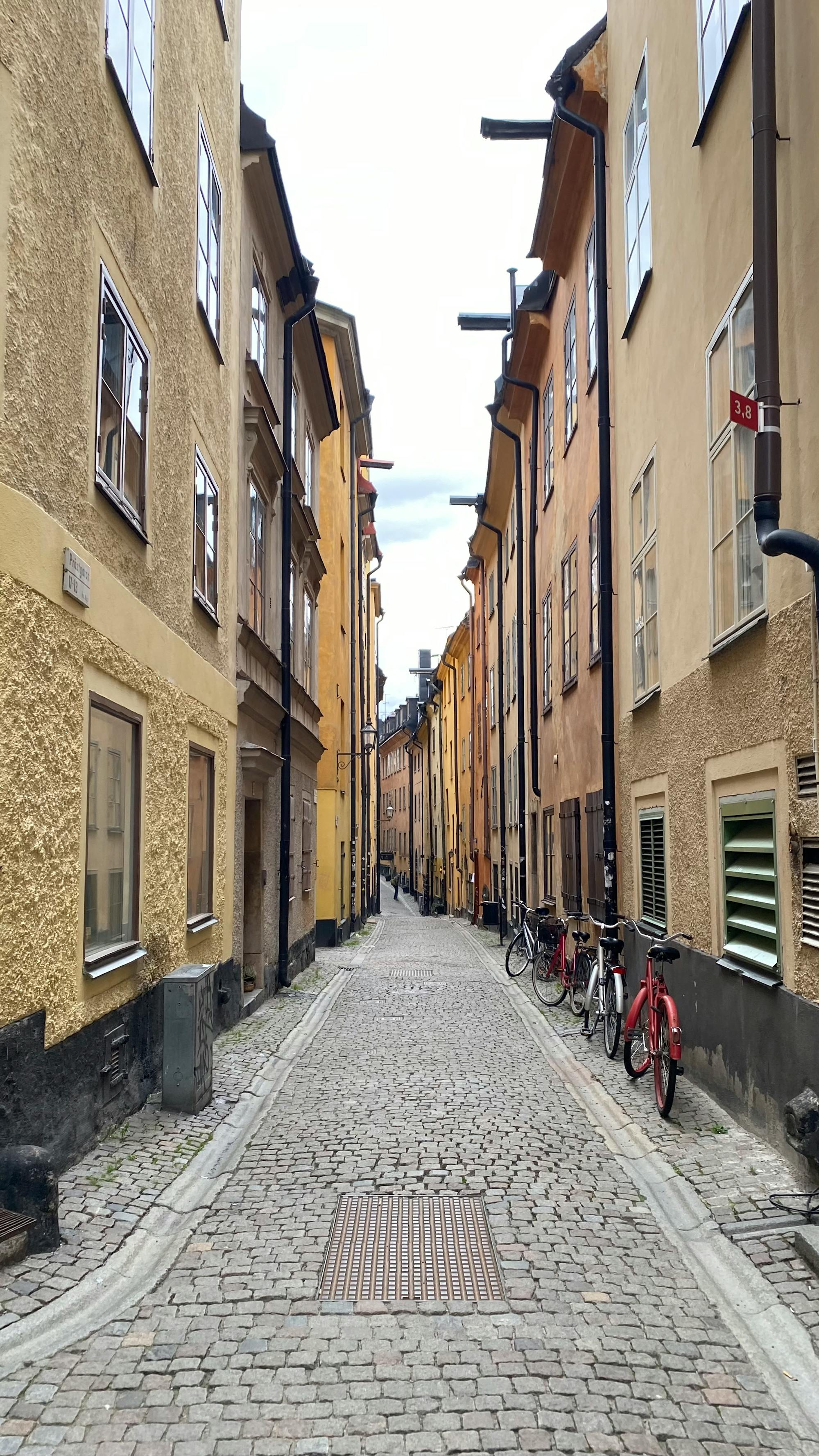
Stockholm is Scandinavia's most visually captivating city — a metropolis built across 14 islands where the Baltic Sea meets Lake Mälaren, creating a waterscape of extraordinary beauty. Sweden's capital is simultaneously a world leader in design, technology, and sustainability while retaining a deeply human scale — few European capitals feel this clean, ordered, and liveable.
Things to Do in Stockholm
Best Things to Do in Stockholm
Stockholm is an incredible city and the Swedish capital, so the search intent behind this topic is clear: people planning a trip and looking for the best things to do before visiting Stockholm. To explore Stockholm well, it helps to know that the market is broad enough to justify a longer list, since the standout experiences span history, museums, food, viewpoints, shopping, and the outdoors. This guide focuses on the best things that are actually worth your time in Sweden, whether you want to see landmark sights, eat well, or slow down and take in the atmosphere.
Stockholm offers a stunning blend of historic charm and modern Nordic culture.
The options below were selected based on how well they represent the city, how easy they are to fit into a real itinerary, and how useful they are for different travel styles.
How We Chose the Best Things to Do in Stockholm
We looked at practical factors that matter when planning a visit: standout attractions, local culture, memorable food, ease of access from the city center, value for money, and suitability for different kinds of visitors.
A longer list makes sense here because Stockholm is built across multiple districts and experiences, with 14 islands connected by 58 bridges. That layout shapes how people move around, so we favored places that are easy to reach by boat, by foot, or through public transport.
We also chose only options that feel meaningfully distinct, rather than repeating similar museums or neighborhoods with minor differences.
Best 10 Things to Do in Stockholm
Without further ado, here are the top picks.
1. Gamla Stan
Gamla Stan is Stockholm's historic old town, and it remains one of the easiest places to fall for the city on a first visit.
Why It Stands Out
This area is known for its cobbled streets, colorful facades, and compact layout, which makes it ideal if you want to wander without much structure. Stortorget is the main square in the middle of the district, and the nearby Royal Palace hosts a daily changing of the guard ceremony. Along the way, you'll pass narrow streets, small shops, and several beautiful churches that give the area its distinct character.
Best For
Travelers who want a classic introduction to Stockholm and anyone who likes to visit major landmarks on foot.
Key Strengths
Rich history in a walkable setting
Strong concentration of landmarks
Great atmosphere for photos and slow sightseeing
Possible Limitations
Can feel crowded in peak season
Shops and cafés here are often pricier than elsewhere
2. Vasa Museum
The Vasa Museum is one of Stockholm's essential historical stops and one of the most memorable places in the city.
Why It Stands Out
This museum displays a 17th-century warship that sank in 1628 on its maiden voyage, and the scale of the preserved vessel is what makes the experience so striking. For many visitors, the detail and storytelling make it more engaging than a typical maritime attraction, especially since guided tours add useful context without taking too long.
Best For
History lovers, first-time visitors, and anyone who wants one major indoor highlight.
Key Strengths
Houses an exceptionally well-preserved warship
Strong interpretation and historical context
Easy to pair with nearby sights on Djurgården
Possible Limitations
Often busy during the middle of the day
Best experience may require timed planning in high season
3. Skansen
Skansen offers one of the clearest introductions to Swedish life, history, and seasonal traditions.
Why It Stands Out
Founded in 1891, Skansen is the world's first open air museum and remains one of the best places to experience traditional Swedish heritage in one setting. It combines buildings, demonstrations, and green space in a way that connects culture with nature, so it feels broader than a standard historical site.
Best For
Travelers who want a family-friendly overview of local history and customs.
Key Strengths
Wide-ranging look at Swedish history
Good mix of exhibits, grounds, and live interpretation
Easy to spend several relaxed hours here
Possible Limitations
Large site, so it takes time to cover well
Better in decent weather if you want the full experience
4. Djurgården's Cultural Highlights
Djurgården is the best island in Stockholm for bundling several major sights into one day.
Why It Stands Out
Beyond the Vasa and Skansen, this area brings together several other attractions, including the ABBA Museum, waterfront paths, and more of the city's popular museums in one concentrated zone. It works especially well if you want variety without crossing town repeatedly.
Best For
People who want a museum-heavy day with easy logistics and a scenic setting.
Key Strengths
Dense cluster of major sights
Pleasant green and waterfront environment
Easy to mix culture with breaks between stops
Possible Limitations
A full day here can become expensive
Some venues may feel more niche depending on your interests
5. Stockholm City Hall
Stockholm City Hall is one of the city's most recognizable landmarks and one of its best architectural visits.
Why It Stands Out
The building is famous for hosting the annual Nobel banquet, which already makes it notable, but the real appeal is how well it combines civic history with design. Guided tours help explain the interiors, and from May to August the tower offers panoramic views across the water and rooftops.
Best For
Travelers interested in architecture, history, and classic skyline viewpoints.
Key Strengths
Iconic building with strong historical significance
Excellent views in tower season
Easy to combine with central sightseeing
Possible Limitations
Tower access is seasonal
Interior access depends on tour schedules
6. The Stockholm Archipelago
The Stockholm archipelago is the best choice if you want to get beyond central neighborhoods and see the landscape that defines the region.
Why It Stands Out
With over 30,000 islands to discover, this area adds a completely different side of Stockholm to your trip. You can take a boat through the waterways, plan a simple day trip, or move at your own pace if you prefer a slower outing. Some routes also connect naturally with excursions on Lake Mälaren, and a clear evening out on the water can make sunset one of the most memorable parts of the day.
Best For
Travelers who want scenery, fresh air, and a break from museums and urban sightseeing.
Key Strengths
Huge variety of island experiences
Scenic and relaxing change of pace
Flexible options from short cruises to longer outings
Possible Limitations
Weather affects the experience
Ferry schedules require some advance coordination
7. Södermalm for Brunch, Shops, and Local Flavor
The Södermalm district is one of the best areas for contemporary Stockholm, especially if you like neighborhood energy over formal sightseeing.
Why It Stands Out
This is the place for independent stores, second-hand finds, casual shopping, and a more lived-in feel. It's also packed with cafés and restaurants, making it ideal for a slow walk between brunch and browsing. Pom och Flora is a popular brunch spot here, and avocado toast fits naturally into that scene. If you want a more local food angle, Swedish fika is the coffee-and-pastry ritual worth making time for, St:Paul Bageri is well known for its cinnamon buns, and Kapibara is often mentioned for serving some of the best ramen in Stockholm.
Best For
Travelers who care as much about atmosphere, coffee, and neighborhood style as they do about landmarks.
Key Strengths
Strong dining and brunch scene
Great area for browsing smaller shops
Feels distinct from the more formal central districts
Possible Limitations
Less focused on headline monuments
Easy to spend more time and money than planned
8. Östermalm and Norrmalm for Shopping and Dining
These central commercial areas are the most practical choice if you want retail, transit convenience, and polished dining in one part of town.
Why It Stands Out
Around Sergels Torg and T Centralen, you're right by major transport links, broad shopping streets, and many centrally located hotels, so it is easy to use this part of town as a base. Stockholm's key retail stretches include Drottninggatan and Grev Turegatan, with flagship labels such as Acne Studios and Filippa K adding a strong fashion angle. Åhléns department store is useful for variety, while Östermalms Saluhall is the standout food hall for fresh ingredients and Swedish delicacies. Inside, Lisa Elmqvist has served seafood since 1926, which makes it a smart stop if you want a classic meal in the heart of the town.
Best For
Travelers who want convenience, retail, and polished dining close to transport.
Key Strengths
Excellent access to shops and services
Easy to navigate from central stations
Strong mix of local specialties and familiar retail
Possible Limitations
Less charming than the historic quarters
Prices can be high in premium retail zones
9. Gröna Lund
Gröna Lund is a fun break from museums and walking-heavy sightseeing, especially for families and groups.
Why It Stands Out
Founded in 1883, Gröna Lund is Sweden's oldest amusement park, and its waterfront setting gives it more character than a typical ride-focused stop. It works best as a lighter, more playful counterpoint to the city's historical attractions.
Best For
Families, teens, and travelers who want entertainment alongside sightseeing.
Key Strengths
Historic amusement park with a strong local identity
Good option for mixed-age groups
Easy to combine with nearby Djurgården sights
Possible Limitations
Not essential for every travel style
Better value if you enjoy rides and events
10. Viewpoints, Parks, and Active Experiences
Stockholm is at its best when you balance landmarks with time outdoors.
Why It Stands Out
If you want to explore beyond formal attractions, start with Skinnarviksberget, the highest natural point in the city, for wide views over rooftops and water. The Royal National City Park is the world's first national urban park and shows how closely Stockholm ties urban life to nature. For something more active, kayaking at Långholmen offers picturesque views from the water, and a local guide can be worthwhile if you want route help or background. Several excellent lookouts are only a short walk from transit, and you can also head north through greener areas if you want a quieter side of the capital.
Best For
Travelers who prefer scenery, fresh air, and flexible outdoor time.
Key Strengths
Strong variety of viewpoints and activities
Good balance to museum-heavy itineraries
Easy to tailor to energy level and weather
Possible Limitations
Conditions matter more than with indoor sights
Some experiences are better with advance booking
Quick Comparison of the Best Things to Do in Stockholm
Gamla Stan – Best for classic historic sightseeing and first-time orientation
Vasa Museum – Best for one standout history experience indoors
Skansen – Best for heritage, traditions, and family-friendly learning
Djurgården's Cultural Highlights – Best for combining several major sights in one area
Stockholm City Hall – Best for architecture and elevated views
The Stockholm Archipelago – Best for scenic escapes and water-based outings
Södermalm for Brunch, Shops, and Local Flavor – Best for neighborhood atmosphere and casual eating
Östermalm and Norrmalm for Shopping and Dining – Best for central retail and convenient dining
Gröna Lund – Best for families and entertainment
Viewpoints, Parks, and Active Experiences – Best for outdoor scenery and movement
How to Choose the Right Thing to Do
The right pick depends less on what is "most famous" and more on what kind of day you want to have.
Choose Based on Interests
If history matters most, start with Gamla Stan, the Vasa, and City Hall. If you care more about food and neighborhood atmosphere, Södermalm and Östermalm make more sense. If you want souvenirs to bring home, the markets, bakeries, and design shops in central districts are more useful than attraction-heavy areas.
Choose Based on Pace
Some travelers want to see the highlights quickly, while others prefer to slow down. Djurgården works well for structured sightseeing, while the archipelago and outdoor viewpoints are better if you want flexibility and a less scheduled rhythm.
Choose Based on Budget
Stockholm can feel like an expensive city, so budget choices matter. A few top tips: use the SL app for transit, do some planning before each day, rely on food markets and casual lunches instead of full sit-down meals every time, and mix paid sights with free walks and viewpoints to save money. The subway system is also worth using not just for efficiency but because many stations feel like the world's longest art gallery.
Which Option Is Best for You?
Choose Gamla Stan if you want the strongest first stop for history and atmosphere.
Choose Vasa Museum if your priority is one major historical attraction with real impact.
Choose Skansen if you want a broader sense of heritage, traditions, and outdoor space.
Choose Djurgården's Cultural Highlights if you enjoy museum-hopping and want several big sights close together.
Choose Stockholm City Hall if you care most about architecture and views.
Choose The Stockholm Archipelago if you want scenery and a memorable escape onto the water.
Choose Södermalm for Brunch, Shops, and Local Flavor if food and neighborhood energy matter most.
Choose Östermalm and Norrmalm for Shopping and Dining if convenience and retail are your priorities.
Choose Gröna Lund if you are traveling with kids or want a lighter day.
Choose Viewpoints, Parks, and Active Experiences if you prefer open space and active time outdoors.
Final Thoughts
Stockholm is one of the easiest European capitals to enjoy in different ways, whether you focus on royal history, design, dining, or water. The best option depends on your time, budget, and pace, but Gamla Stan is the strongest all-around starting point for most first-time travelers. If you have longer, combine it with one major museum, one neighborhood day, and one outing on the water for a more complete experience.